Door Locks & Components
Browse by Vehicle
-
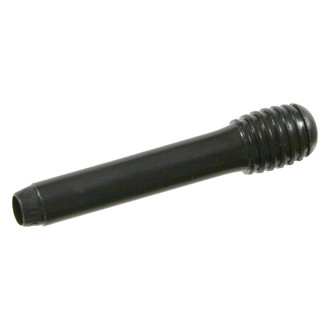
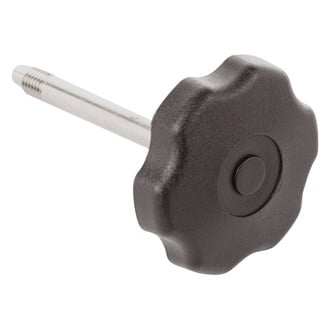
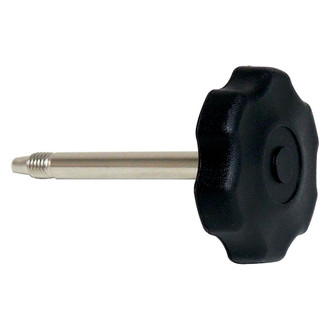 Crown® - Door Lock Knob$8.11
 -
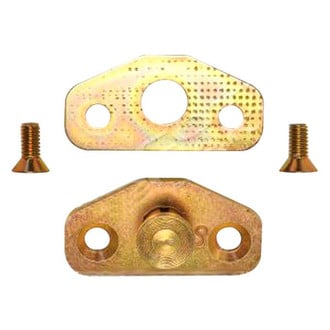
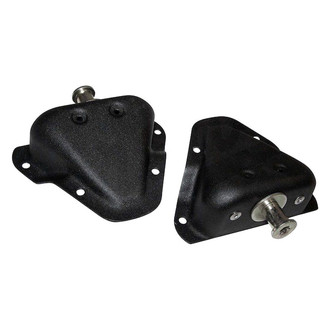 Crown® - Door Lock Strikers$12.23 - $52.80
 -
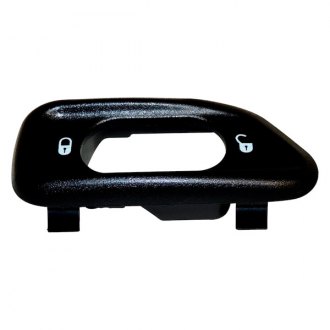
-
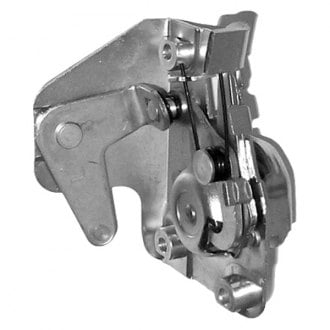
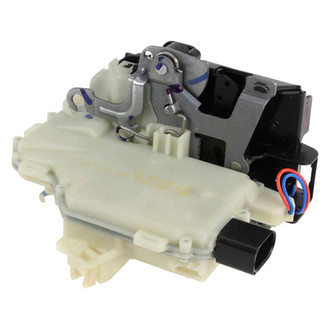
 URO Parts® - Door Latch Assembly$51.03 - $251.98 + Save up to $5.00 with iD FastTrack
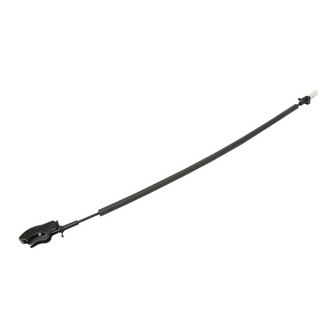
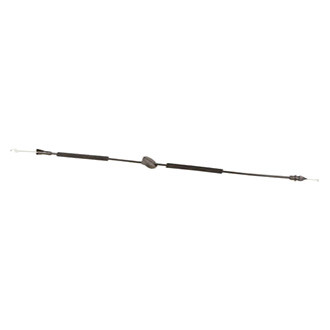
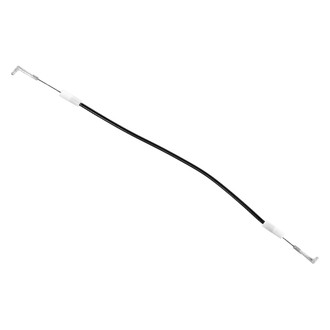
 - URO Parts® - Door Latch Cables$20.31 - $44.66
-
- URO Parts® - Door Latch Strikers$26.48 + Save up to $1.00 with iD FastTrack
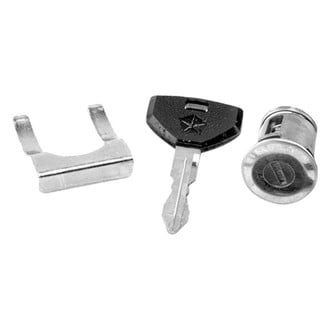
- URO Parts® - Door Lock Cylinder$79.96 - $91.06
- URO Parts® - Door Lock Knobs$2.13 - $3.92
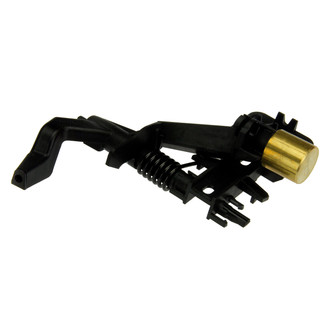
- URO Parts® - Door Lock Lever$26.50 + Save up to $1.00 with iD FastTrack
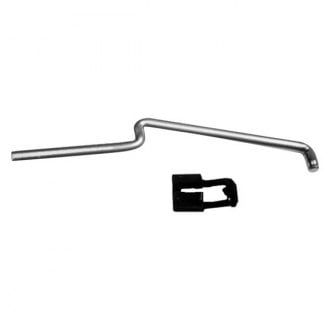
- URO Parts® - Door Lock Operating Rod$14.69 - $35.84
- Goodmark® - Door Handle Rods$17.05
- Goodmark® - Door Latch$55.41 - $201.84 + Save up to $4.00 with iD FastTrack
- Goodmark® - Door Latch Relay Control Rod Set$39.33 - $48.54 + Save up to $2.00 with iD FastTrack
-
- Goodmark® - Door Latch Strikers$26.83 + Save an extra $1.30 with iD FastTrack
- Goodmark® - Door Latches$57.89 - $208.25 + Save up to $5.00 with iD FastTrack
-
-
- Goodmark® - Door Lock Rods$14.67
- Goodmark® - Door Lock Strikers$16.27 - $19.72
- Goodmark® - Door Striker and Shims$21.70 - $38.89 + Save up to $1.00 with iD FastTrack
- Dansk® - Door Latch Cables$16.23 - $17.17
- Febi® - Door Lock Knob$0.23 - $0.66
- McGard® - Door Lock Cylinder$59.01 - $74.82 + Save up to $4.00 with iD FastTrack
-
- Omix-ADA® - Door Lock Cylinders$12.86 - $48.53
-
- Original Equipment® - Door Latches$56.80 - $283.65
- Steinjager® - Door Lock Cylinder$56.60 - $59.07
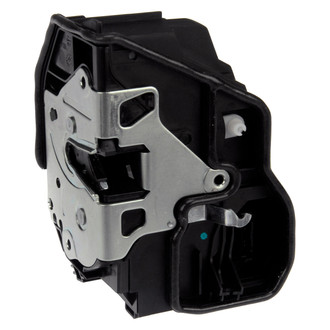



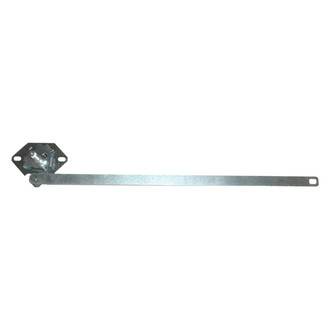
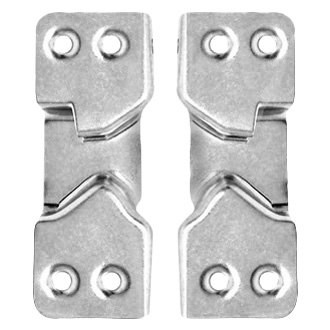
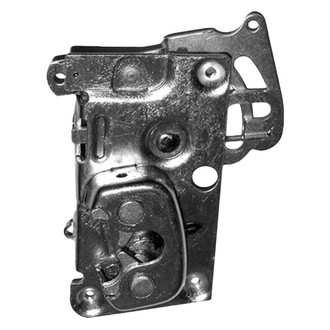
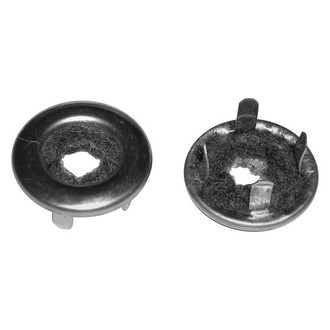
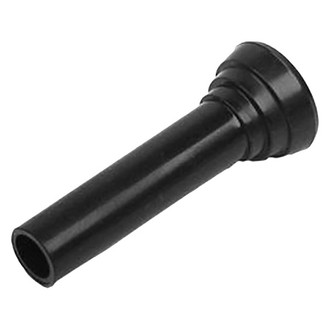
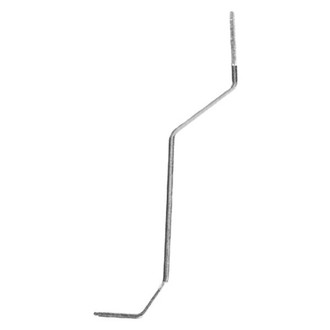
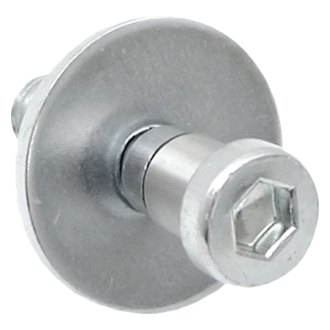
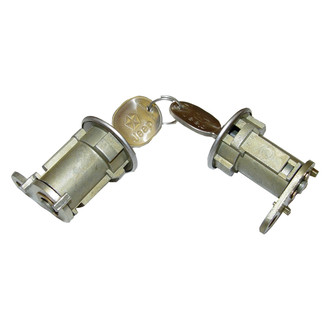
Like most other automotive systems, car door locks have evolved over the years. From key operated locks, to power locks, remote keyless entry, and automatic locking systems, the door locks on modern cars and trucks can be engaged in several ways. But no matter the type of a car or truck, or how basic or advanced the locking mechanism may be, we have the replacement parts to restore it to working order if problems arise. On our online shelves we've collected premium quality products to suit all your needs.
When it comes to the door lock mechanism, the latch at the edge of a vehicle door has a clasp that secures the door to the jamb mounted striker when the door is closed. The door handle releases the clasp so that the door can be opened. The basic lock system has a key operated lock cylinder and a door mounted knob connected to the latch with rods. When the key is in the lock position or the knob is depressed, the exterior door handle cannot open the door, preventing any access to the vehicle.
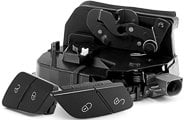
When a vehicle has power door locks, an electric actuator is connected to the latch. Depending on the vehicle, the actuator may be operated by a switch through a relay or activation may be regulated by a body control module. Instead of having to twist your body around to access the door lock knob, power locks enable the door lock to be controlled by a convenient door switch, and the drivers have a master switch with which they can control all of the door locks. A door lock switch usually comes standard with power door locking systems. The first keyless entry systems used a door mounted keypad wired to a control module, allowing the driver to enter a numeric code to open the door without the key.
Remote keyless entry systems control the door locks with a radio frequency transmitter inside a key fob and a receiver inside the vehicle. The transmitter sends a coded signal to the receiver that locks or unlocks the door. One button on the key fob locks the doors and another is pressed to open them. The unlock button is usually pressed once to open the driver’s door and again to open the rest of the doors. If the lock button is pressed twice, the horn sounds on most vehicles to confirm that the doors are locked. Many vehicles today have automatic locks that lock the doors when the vehicle is placed in Drive or reaches a specific speed, and unlocks the doors when the vehicle is placed in Park.
Many door lock problems can be solved before they become so serious that the lock does not operate at all. Door lock malfunctions can range from elementary problems like gummed up or dry lock cylinders and latches to major component failures, and require testing equipment from simple test lights to complex scan tools. Lock cylinders and latches lacking lubrication can require excessive force to operate and this can in turn bend linkage rods and break fragile plastic connectors. Door lock actuators can be tested by applying 12 volts to the motor. These motors are reversible and should work in both directions. Circuit voltage and continuity tests can be performed using a digital multi-tester.