Cooling System Switches, Sensors & Relays
Browse by Vehicle
Select Department
-
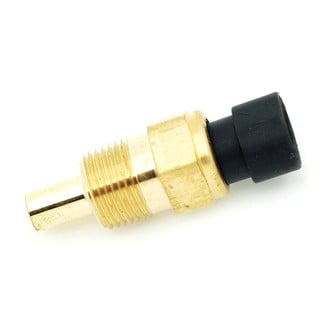 SKP® - Engine Coolant Temperature Sensor$2.58 - $21.96
 -
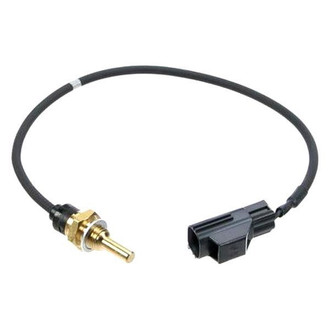 Genuine® - Engine Coolant Temperature Sender$52.98 + Save an extra $2.50 with iD FastTrack
 -
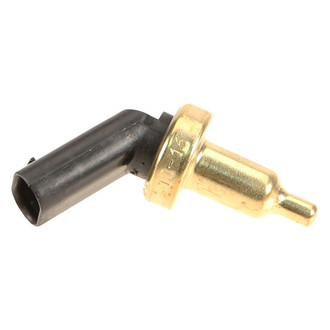 Genuine® - Engine Coolant Temperature Sensor$20.68 - $179.10 + Save up to $5.30 with iD FastTrack
 -
 Genuine® - Water Temperature Sensor$40.52 - $109.71
 - Save 27%Mopar® - Engine Coolant Temperature Sender$33.78$46.46Save 27%
- Mopar® - Engine Coolant Temperature Sensor$21.51 - $282.51
- Motorcraft® - Engine Coolant Temperature Switch$15.98 - $88.70
- Standard® - Engine Coolant Temperature Switch$10.42 - $66.24
- Standard® - Engine Cooling Fan Switch$15.57 - $17.65
- Standard® - Intermotor™ Engine Coolant Temperature Switch$32.51 - $53.37 + Save up to $2.80 with iD FastTrack
- Standard® - T-Series™ Coolant Temperature Sensor$9.70 - $9.84
- Standard® - Tru-Tech™ Engine Coolant Temperature Switch$14.74 - $16.49
- Four Seasons® - Engine Coolant Temperature Sender$15.27 - $97.18
- Denso® - Engine Coolant Temperature Sensor$58.68 + Save up to $3.20 with iD FastTrack
- Autotecnica® - Engine Coolant Temperature Sender$7.56 - $9.38
- Autotecnica® - Engine Coolant Temperature Sensor$4.65 - $17.88
-
- URO Parts® - Engine Coolant Temperature Sensor$5.48 - $218.70
-
- Original Equipment® - Engine Coolant Temperature Sensor$22.82 - $75.97
-
-
- Febi® - Coolant Temperature Sensor with Seal Ring$10.55 - $19.02
-
- Febi® - Engine Coolant Temperature Sender$13.60 - $18.94
- Febi® - Water Temp Sensor$9.57 - $35.15
- NTC® - Engine Coolant Temperature Sensor$14.40 - $60.52
- NTC® - Water Temperature Sensor$18.55 - $53.49
- OER® - Coolant Temperature Senders$16.30 - $45.33
-

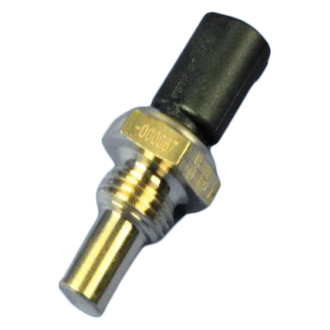
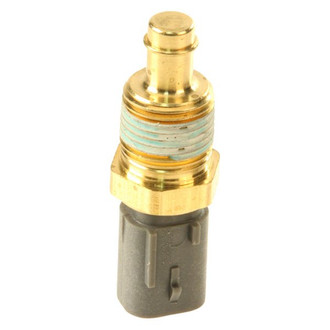
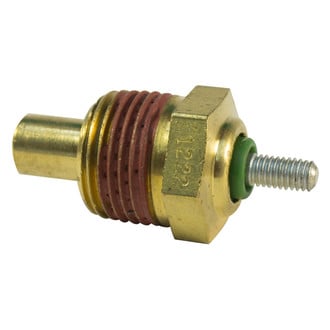
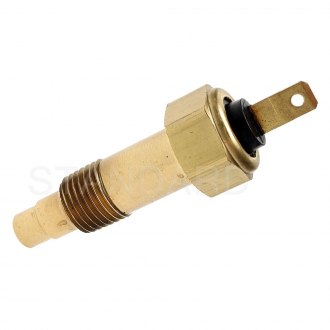
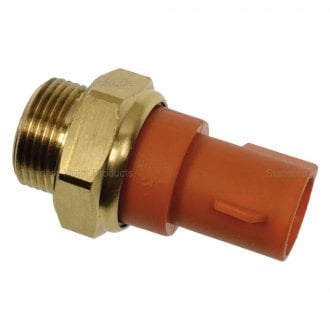
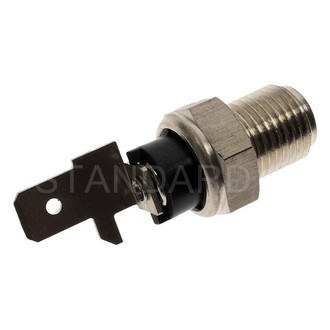
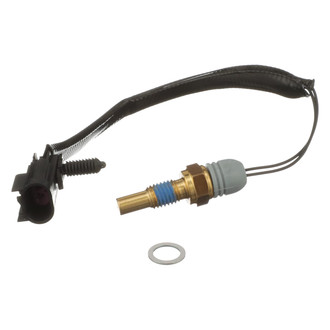
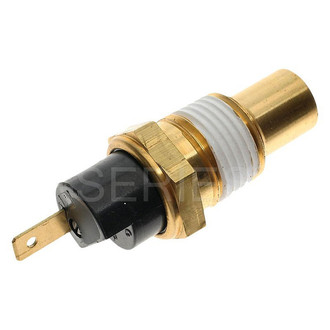
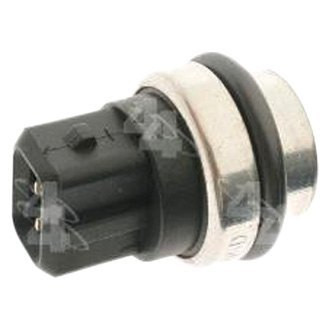
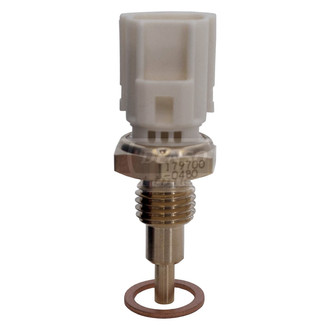
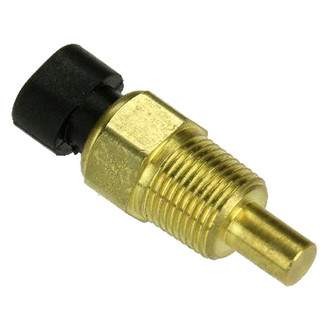
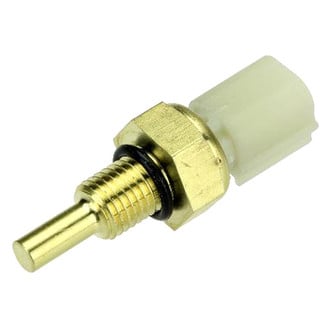

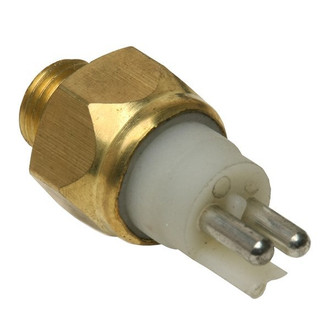
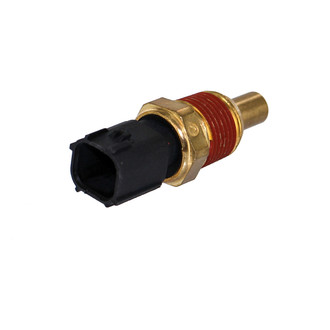
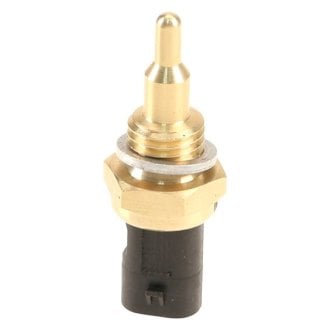
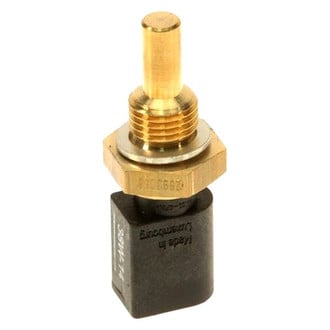
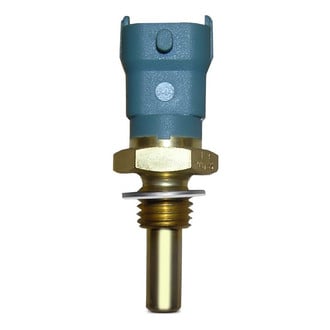
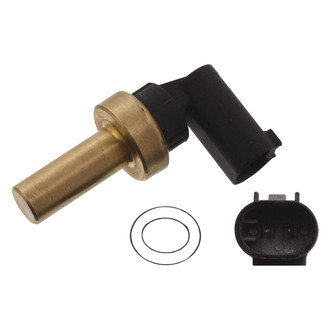
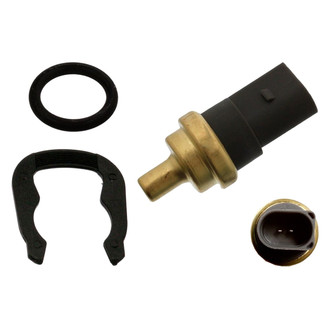
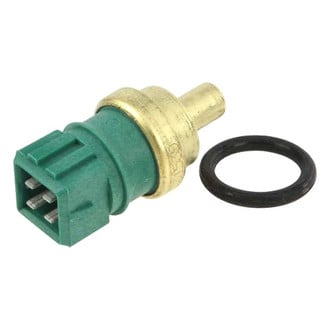
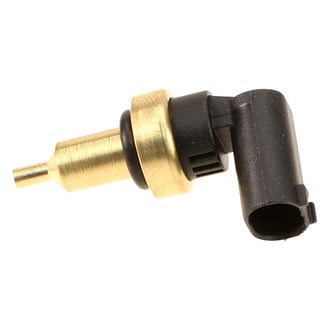
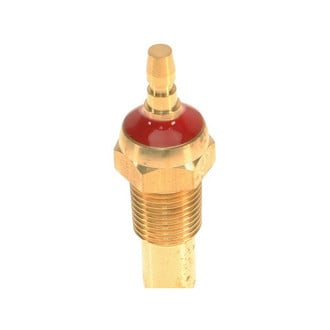
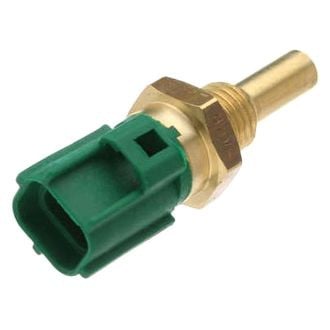
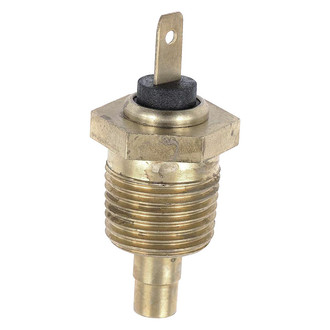
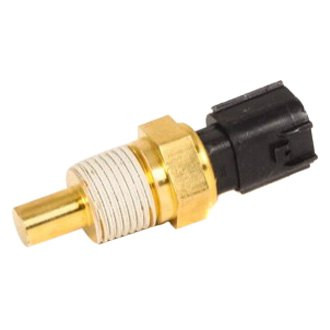
The way many systems operate in your vehicle is dependent on the engine coolant temperature, making cooling system switches and sensors very important parts. These components provide an input to the engine control module (ECM), which in turn regulates fuel, ignition and other vehicle functions based on temperature and the input from other sensors. Coolant sensors and switches are threaded into coolant passages, where they are directly exposed to coolant for the most accurate temperature measurement in order to provide the engine control module with real time data.
Coolant switches are used when a simple on/off signal is needed, as in the early fuel evaporation (EFE) system, which is used on some carbureted vehicles to heat the fuel mixture when the engine is cold to improve vaporization. In this system, a plate, with a heater grid under one or both carburetor barrels, is installed between the carburetor and the intake manifold. A temperature switch grounds the EFE circuit when the vehicle is cold and a relay supplies power to the heater grid. When the engine reaches a specified operating temperature, the switch opens, deactivating the relay and shutting off the heater grid.
When a range of coolant temperature data is required, a coolant temperature sensor is needed. A common use for these data would be for a temperature gauge. Most coolant temperature sensors are thermistors, which change resistance according to temperature. Most of these are NTC (negative temperature coefficient) thermistors, which decrease resistance as temperature increases. The ECM sends a 5-volt reference voltage to the sensor and the sensor’s resistance reduces the voltage sent back to the computer. The temperature is calculated by the ECM based on the return voltage.
The ECM uses temperature data from the coolant temperature sensor to: vary injector pulse width, increasing on-time for a richer mixture when the engine is cold, and decreasing on-time as the engine warms up; increase idle speed when the engine is cold, to prevent stalling; and turn the electric cooling fan on and off. In addition, coolant temperature information is critical because certain component function must only be enabled when the engine is warm. These include the EGR (exhaust gas recirculation) system, which would cause the engine to run rough and stall if exhaust gas was introduced to the intake when the engine is cold; the evaporative emissions control purge valve; and the transmission torque converter clutch.
Some of the engine cooling system components, for example, a radiator fan, draw a high current from the power source. If you connect them directly or using a switch to the alternator or the battery, it may cause a short circuit, which can result in a fire or damage to the battery. To avoid such a turn of events, virtually all electric engine cooling system components are connected to the circuit through a relay. It is a small electromagnetic switch operated by a relatively small electric current that can turn on or off a much larger electric current. This allows to power any energy-intensive devices without running the risk of damaging the battery or other vehicle components. Relays vary in size and construction, while their operating principle remains the same.