

The Toyota Camry, known for its durability, comfort, and performance, has consistently been a top-selling vehicle due to its popularity as a daily driver and family sedan. Between its build quality and engine longevity, what’s not to like?
For over 40 years, it has remained one of the go-to choices for first-time and repeat car buyers, and for good reason. But is the Toyota Camry still actually a reliable vehicle?
Are Toyota Camrys Reliable?
The Toyota Camry is generally considered to be a reliable car. Since its introduction in 1982, the Toyota Camry has remained a staple of the American automotive market and has consistently received good reviews. Many owners report that their Camrys have been reliable with good fuel mileage for years—in part due to consistent maintenance.
The 2002-2006 Camrys are often praised for their simplicity, merging performance with efficiency, but some 2002 owners report issues like high repair costs for features like panoramic moon roofs. Let’s look a little deeper into the other year models.
Here are the reliability ratings for the latest Toyota Camry model from popular review sites:
- Car and Driver: 9/10
- JD Power: 83/100
- RepairPal: 4/5
- Edmunds: 8.1/10
RepairPal notes that the Camry’s annual repair cost is only around $388, meaning it has excellent ownership costs. Repairs are less severe and less frequent than the average car, so the Camry is generally one of the more reliable vehicle models in the market today.
What Are the Most Common Issues with the Toyota Camry?
While the Toyota Camry is a fairly reliable vehicle model, it is not without its share of problems. Below are some of the common issues associated with Toyota Camrys and the affected model years:
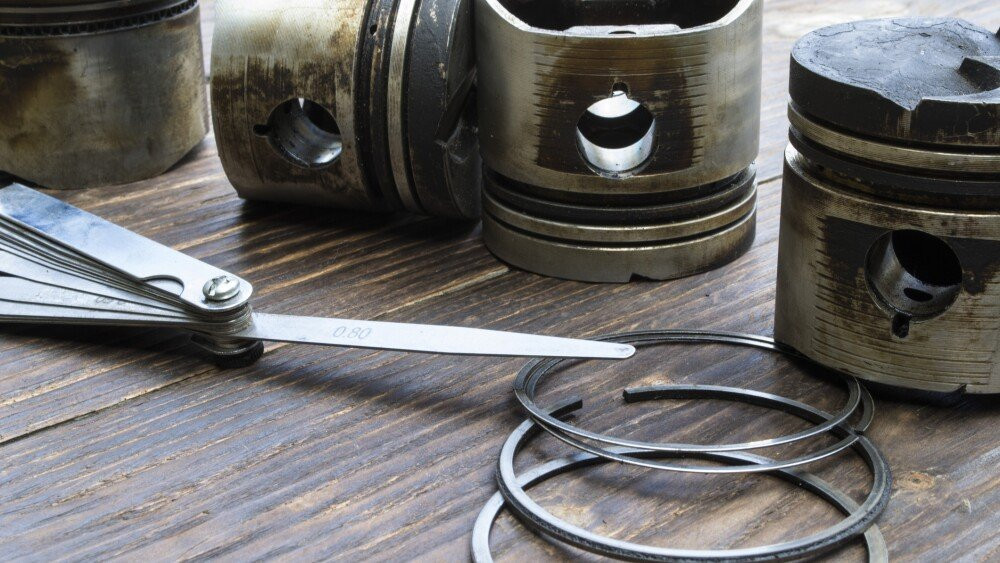
Excessive Oil Consumption
Models from 2006 to 2011 have been reported to have problems with excessive oil consumption due to faulty piston rings. Owners have reported the need for frequent oil top-ups between scheduled changes. Toyota has acknowledged this issue and, in certain cases, offered repair solutions, including replacing the piston rings within the warranty period.
Affected Model Years:
- 2008
- 2006
- 2007
- 2009
- 2010
- 2011
Transmission Issues
Owners of Camry models, particularly those from the late 2000s, have reported experiencing transmission issues such as gear slipping, delayed shifting, and, in severe cases, transmission failure. These problems have been attributed to a malfunctioning torque converter. While some owners have had success with transmission fluid changes, others required complete transmission replacements.
Affected Model Years:
- 2007
- 2018
- 2013
- 2010
- 2011
- 2014

Power Steering Problems
Owners have reported power steering problems, including fluid leaks and loss of power steering assistance. These issues are often due to worn-out components like the power steering pump or hoses. Regular maintenance and timely replacement of faulty parts are essential to prevent steering difficulties.
Affected Model Years:
- 2020
- 2007
- 2018
- 2012
- 2004
Faulty Oxygen Sensor
A common issue across various Camry models is a faulty oxygen sensor, which triggers the illumination of the check engine light. This can lead to decreased fuel efficiency and increased emissions.
Replacing the defective sensors usually resolves the problem.
Affected Model Years:
- 2011
- 2014
- 2004
- 2007
- 2003
Air Conditioning Problems
Some Camry owners have experienced air conditioning issues, such as musty odors emanating from the vents and failing compressors. These problems can make driving uncomfortable, especially in hot climates.
Addressing these issues often involves cleaning the AC system or replacing faulty components.
Affected Model Years:
- 2011
- 2007
- 2008
- 2009
- 2002
What are the Best Model Years for the Toyota Camry?
While the Toyota Camry remains one of Toyota’s best-selling vehicles, several model years stand out from the rest. These models are known to be the most reliable, with fewer reported issues and recalls, making them the best options for value-conscious buyers.
The model years of the Camry widely considered to be among the best include:
- 2014
- 2015
- 2016
- 2023
- 2024
- 2011
FAQ
How long do Toyota Camrys last?
With proper maintenance, Toyota Camrys can easily last 200,000 to 300,000 miles or more. This translates to 15-20 years of dependable service, assuming regular oil changes, tire rotations, and maintenance are routinely conducted.
How much is a new Toyota Camry?
The price of a new Toyota Camry varies depending on the trim level and optional features you choose, but the base model typically starts at around $26,000. Higher trims, like the sporty XSE or the hybrid versions, can climb to $35,000 or more with added bells and whistles such as premium sound systems, advanced safety tech, and leather seating. Considering the Camry’s excellent reputation for reliability and resale value, this price range is competitive in the midsize sedan market.