

The P0935 code appears on vehicle platforms that include the code in their library, and it is set when the sensor reports that the transmission’s hydraulic pressure sensor circuit is giving a reading higher than is being commanded by the powertrain control module/transmission control module (PCM/TCM).
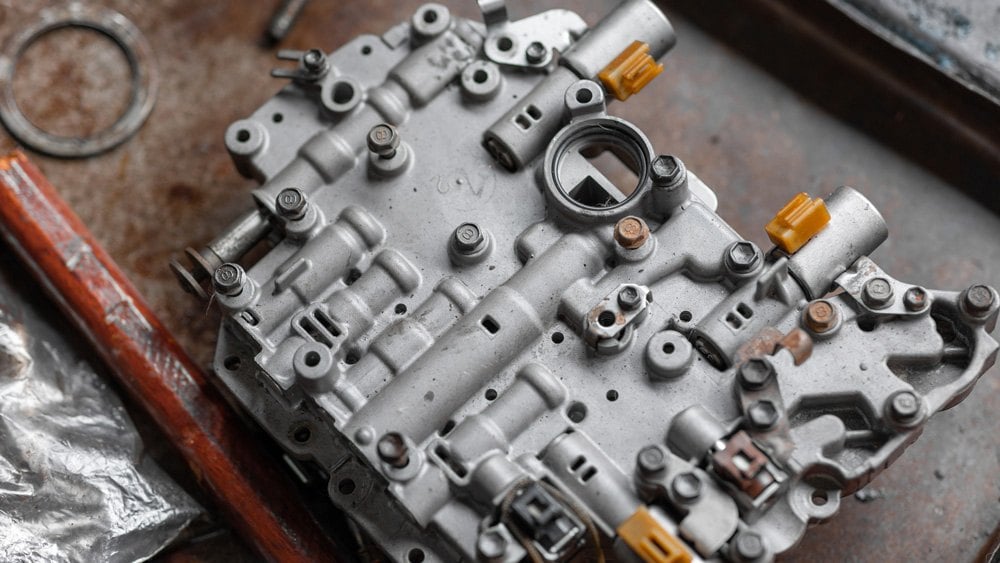
The P0935 code is a generic powertrain code that applies to OBD-II vehicles such as Chrysler, Dodge, and Jeep. Note that although this code has the same definition for these brands, the methods for diagnosing the causes and fixing the issues can still vary for various makes and models.
A diagnostic trouble code (DTC) like this one requires your immediate attention, so you’re going to need all the help you can get. This guide gives you information that aims to help you trace the causes and provide solutions to this engine code.
What Does Code P0935 Mean?
The P0935 code refers to “Hydraulic Pressure Sensor High”, which means that the hydraulic pressure sensor is reporting a pressure reading that is higher than expected. This will cause harsh upshifting and downshifting if the pressure is actually high, but if the reading is false and the PCM/TCM is trying to lower the pressure when it doesn’t need to be lowered, that low pressure can cause the clutches to slip because of insufficient pressure.
The above definition is a paraphrased version of what this code means on a 2013 Dodge:
Line pressure is electronically controlled and is measured by the line pressure sensor (LPS). In other words, it’s a closed-loop system.
Desired line pressure is continuously being compared to the actual line pressure and is regulated by electronically changing the duty cycle of the pressure control solenoid (PCS).
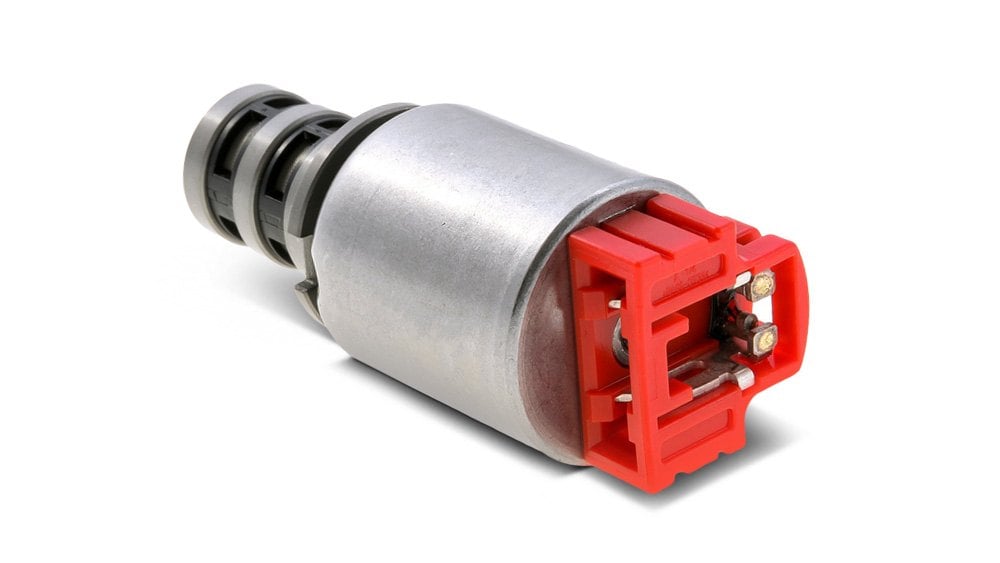
The PCM/TCM calculates the desired line pressure based on inputs from the transmission and engine, and a calculated torque input to the transmission is used as the primary input of the desired line pressure calculation.
The monitored LPS voltage should always be between 0.35 and 4.75 volts. Any monitored voltages outside these parameters indicate an LPS or wiring problem and will cause either DTC P0934 or P0935 to set.
The hydraulic pressure engages the clutches and servos in the transmission after you put it in gear and determines shift feel and quality while driving. Residual pressure is stored in the accumulator and replenished as needed, and the accumulator pressure sensor sends data to the TCM about the amount of pressure that is currently housed in the system.
The P0935 will be set if the pressure sensor voltage is greater than or equal to 4.75 volts for at least 0.18 of a second.
What Causes Code P0935?
Here are some potential causes that you should look into if your vehicle has stored a P0935 code:
- Failing hydraulic pressure sensor
- Wiring issues
- Failed hydraulic power unit assembly
- Internal transmission problems
- PCM/TCM failure
Faulty Hydraulic Pressure Sensor
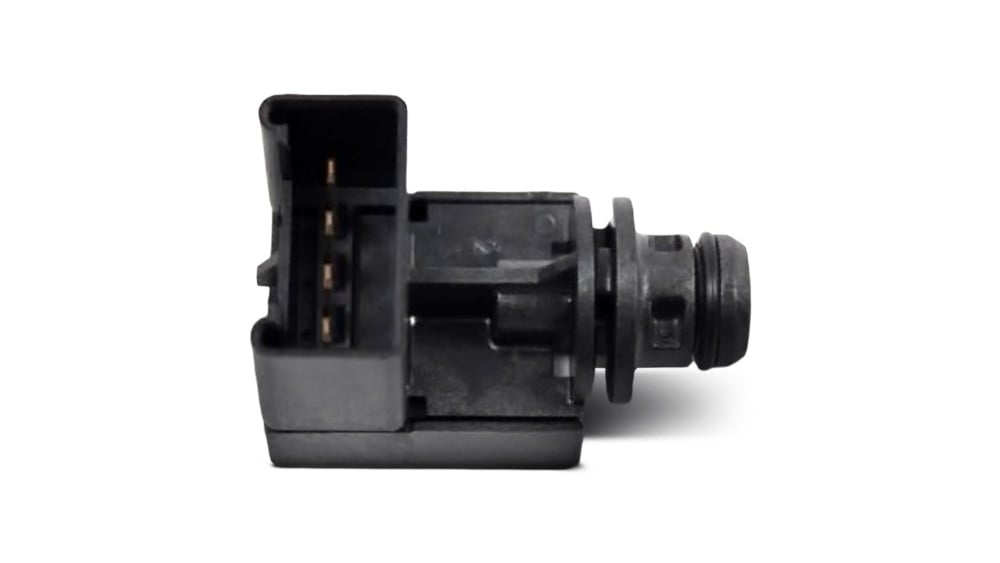
The primary cause is most likely the hydraulic pressure sensor itself. A malfunctioning sensor could be responsible for triggering the P0935 code.
Wiring Issues
Another thing you should closely inspect for is faulty wiring around the area of the sensor circuit. These issues include an open or shorted harness or poor electrical connections.
Failed Hydraulic Power Unit Assembly
Components in the hydraulic power unit assembly can also make the P0935 code appear. Any form of damage along the unit leads to improper sensor readings and engine problems.
Internal Transmission Problems
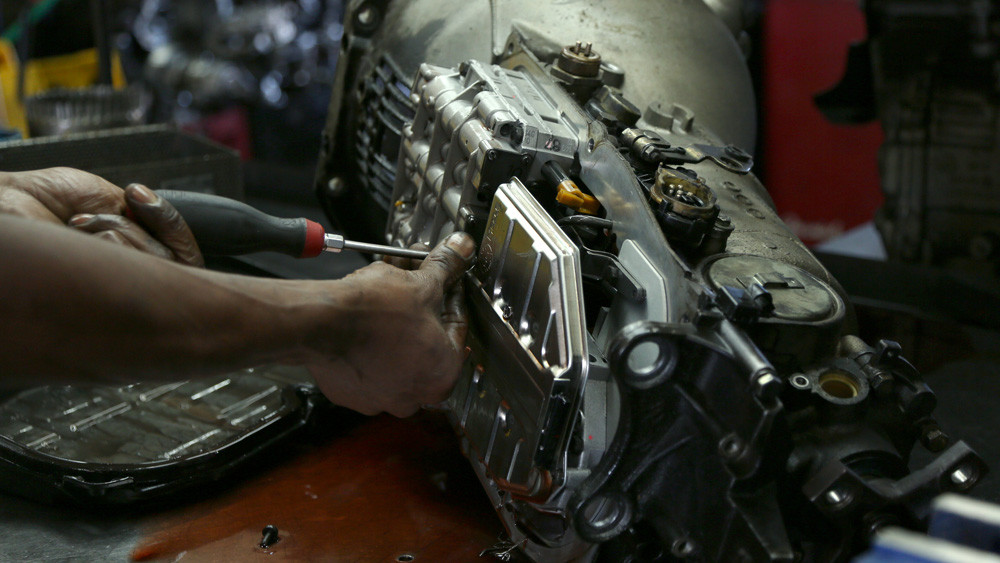
Low transmission fluid levels or pressure should also be investigated. A malfunctioning transmission pump can be a factor that leads to the code being set.
PCM/TCM Failure
Last but not least, the P0935 code could be triggered by a failing TCM or PCM.
What are the Symptoms of Code P0935?
When you encounter the P0603 code, it’s typically accompanied by unusual behavior in your engine. Symptoms of the P0935 code include:
- Illuminated malfunction indicator lamp
- Reduced fuel efficiency
- Gear shifting issues
- Transmission problems
- Limp mode is activated
Illuminated Malfunction Indicator Lamp
The malfunction indicator lamp (MIL) bears its name for a reason. When you see it light up, it means that there’s something wrong with your vehicle that needs attention as soon as possible.
Reduced Fuel Efficiency
High hydraulic pressure sensor circuit readings lead to low fuel efficiency. The engine begins to work harder to operate, which makes it consume more fuel.
Gear Shifting Issues
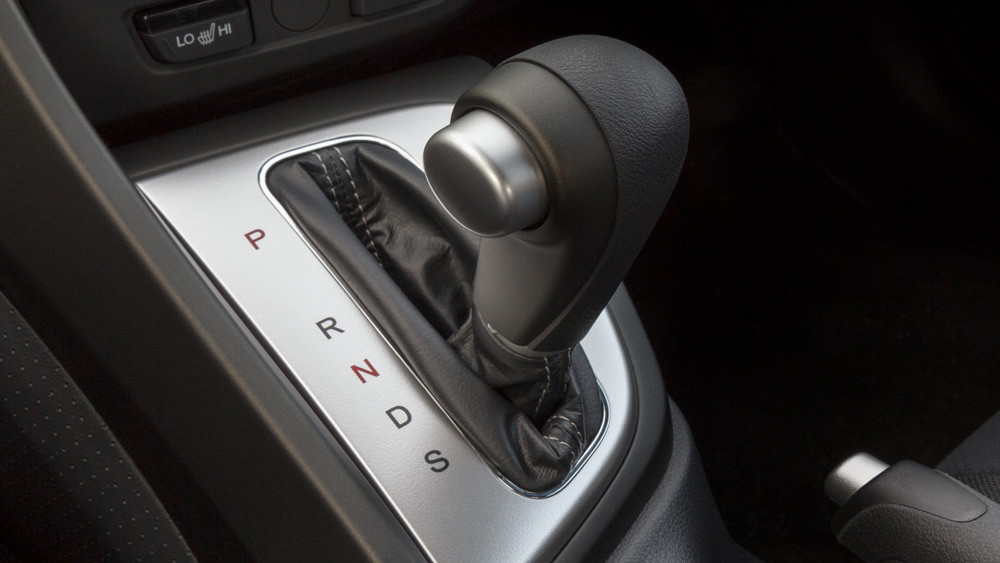
Another symptom of the P0935 code is difficulty with shifting gears. You might experience some harsh, delayed, or erratic shifting that poses a challenge when you’re driving.
Transmission Problems
Irregular hydraulic pressure leads to problems with the transmission’s performance. This includes slipping and overheating, which can lead to more issues if not addressed properly.
Limp Mode is Activated
When the P0935 code is set in motion, the transmission goes into limp mode. This affects the speed and power of the engine, simultaneously limiting and preventing it from further damage until the issue is resolved.
How to Diagnose Code P0935
Here are some steps you can take to diagnose the reason behind your code P0935:
Check for Other Trouble Codes
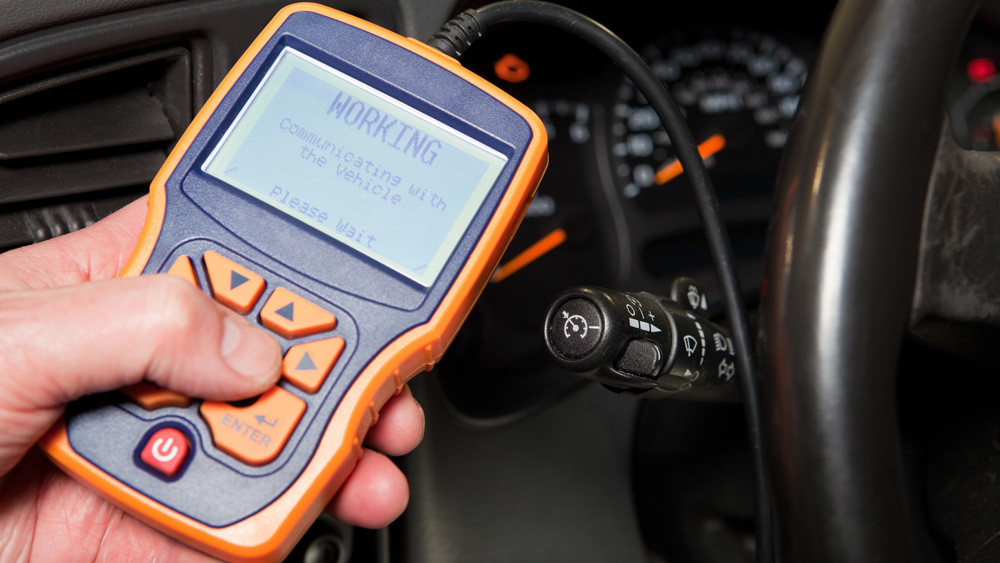
Use your OBD-II scanner to check for other codes that might be present with the code P0935, as these may provide additional clues as to what is causing the DTC.
Test the Hydraulic Pressure Sensor
Verify that the hydraulic pressure sensor is giving accurate readings that are within the range of its factory specifications. If it isn’t, the faulty sensor might have been what caused the P0935 code.
Examine Wiring and Connectors
Inspect for signs of damage to the wiring connected to the hydraulic pressure sensor circuit. Any corrosion or disconnection must be investigated and solved as soon as you can.
Check the Transmission System
Look for any issues with the components within the system. This will help you narrow down what is setting off the code.
Inspect the Transmission Fluid
Building on the previous diagnostic step, make sure that the transmission fluid is at the proper level. If the fluid level is lower than expected, it could be causing the code.
Check the Transmission Control Module
If the TCM is not communicating effectively with the rest of the engine, a malfunctioning TCM might be the root cause of the code.
How to Fix Code P0935

Ready to solve your vehicle’s P0935 code? Below are some solutions you may try, depending on what’s causing the DTC:
Repair or Replace the Hydraulic Pressure Sensor or Harness
A malfunctioning hydraulic pressure sensor needs to be repaired or replaced entirely. Doing so not only clears the P0935 code from your vehicle but also restores proper system pressure readings.
Damage found in the hydraulic pressure sensor harness can lead to inaccurate sensor readings. You should repair or replace the harness to make sure it doesn’t affect the performance of your transmission any further.
Repair or Replace the Hydraulic Power Unit Assembly
A functioning hydraulic power unit assembly keeps everything in line. If it’s no longer working at optimal condition, it might be time to fix or find replacements for all defective components.
Repair or Replace Solenoids
Faulty solenoids, such as the pressure control solenoid or auto transmission shift solenoid, can significantly affect the hydraulic pressure system of your engine, whether it’s making minor adjustments or finding an entirely new alternative.
Replace and Reprogram the PCM/TCM
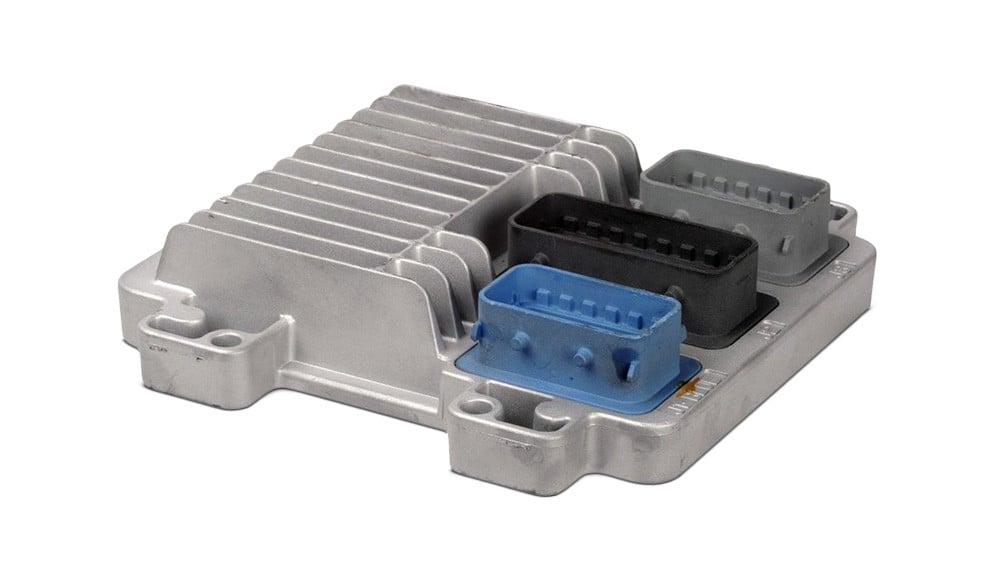
The PCM and TCM are essential for regulating the transmissions and ensuring that your vehicle is performing its best. If either of these two control modules is having problems, you must get them fixed or replaced immediately.
Other Codes Related to P0935
In addition to diagnosing the P0935 code, you must keep an eye out for other related diagnostic trouble codes that might be connected to the hydraulic pressure sensor.
P0932
This code indicates an issue with the electrical system of the hydraulic pressure sensor. Causes include short circuits, damaged wires, a faulty hydraulic pressure sensor, or a failing PCM or TCM.
P0933
This code specifically refers to the desired specifications of the hydraulic pressure sensor. When the sensor does not perform to its standards and supply accurate readings, the error appears and triggers the code.
P0934
This is the opposite of the P0935 code. While the P0935 manifests from readings that are higher than usual, the P0934 code is caused by low pressure readings.
P0936
This appears when the PCM detects an abnormal or absent signal from the hydraulic pressure sensor circuit. It affects the clutch and transmission operation of your vehicle.
FAQ
What are the symptoms of a hydraulic pressure sensor?
Diagnostic trouble codes relating to the hydraulic pressure sensor are often characterized by an illuminated check engine light and low fuel efficiency. It also manifests while you’re shifting gears, with symptoms such as erratic shifting, slipping gears, and delayed engagement while shifting, among others.