
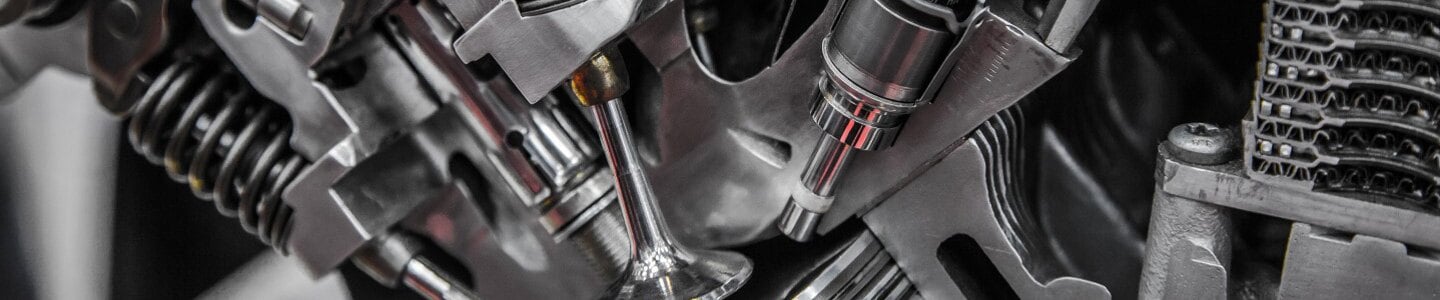
Compression is the third component (next to air-fuel mixture and spark) an internal combustion engine needs to power up your vehicle successfully. It’s the pressure inside the engine’s cylinders that helps raise the temperature to atomize the fuel so that the air-fuel mixture would be easy to ignite.
If engine compression is low, the spark will struggle to ignite the air-fuel mixture, resulting in incomplete combustion or misfires. The engine will not have enough power to move your car.
Recognizing the symptoms and causes of low engine compression can help you prevent costly repairs and maintain optimal engine function.
What are the Symptoms of Low Engine Compression?

If your vehicle is experiencing low engine compression, you might notice some of these symptoms. However, it’s important to note that other problems can present the same symptoms, so a thorough diagnosis is crucial before performing any repairs.
Check Engine Light
This only happens if the low compression causes a misfire or an excessively lean exhaust due to a weak cylinder. The powertrain control module (PCM) can’t detect low compression apart from the effects of it.
Rough Running or Misfiring
A classic effect of low compression is a misfire, during which the vehicle may noticeably run rough, hesitate upon acceleration, and experience an overall lack of engine power.
Engine Won’t Start
The engine might be easier to crank, but if it won’t start, you may be dealing with low compression on all or most of the cylinders. This is typically due to valve timing issues (jumped belt or chain). This starting issue may point to low or zero compression—again, in most (if not all) engine cylinders.
What Causes Low Compression?
There are a variety of explanations to this question. For instance, newer engines have low-tension piston rings. If a vehicle has been started and run for just a minute or two (used car dealers often do this while moving cars around on their lots), enough for cold enrichment to wash the oil off the cylinder walls, the engine may have no compression at all. It may even fool a mechanic into thinking the engine is out of time.
Worn-out compression rings or rings that have lost their temper due to overheating may also be a reason. You’ll typically notice a lot of blowby puffing out the oil filler (cap removed) while spinning the engine if this is the problem.
Bent, burned, or stuck valves that don’t sit right can cause compression loss, as can stacked ring end gaps on a piston (the compression ring end gaps should be on opposite sides of the piston).
When the camshaft is out of time with the crankshaft due to belt or chain issues, there will be little or no compression on most cylinders. A cylinder leakage test can help pinpoint the amount of cylinder leakage as well as where it is escaping.
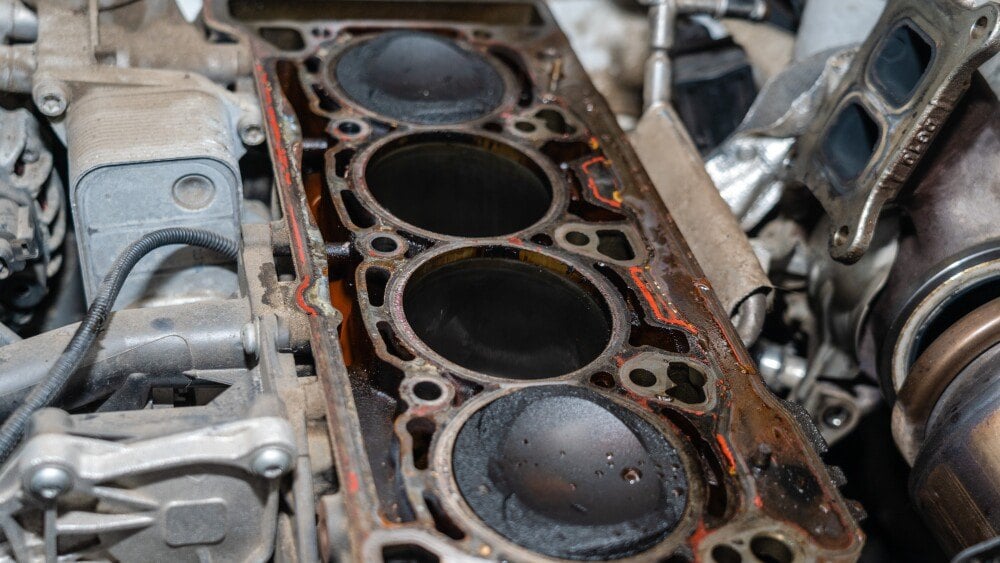
Defective Head Gasket
This will only cause low compression if the gasket is blown between two adjacent cylinders, in which case both will have low compression when tested. If a cylinder head gasket is blown to the side so that compression is escaping from under the head, you’ll be able to hear that, but it’s so rare you’ll probably never see it.
Deteriorating Cylinder Walls, Pistons, and Piston Rings
The piston, three piston rings, and cylinder wall work together to create a seal that prevents compression loss. If the piston rings are worn, the cylinder wall is damaged, or the piston is broken or has holes, the seal could fail, potentially leading to a loss of compression over time.
An engine with many miles on it usually has tapered or out-of-round cylinder walls, but that doesn’t usually cause compression issues.
Malfunctioning Valve and Valve Train
Compression loss due to an improper seal or restricted airflow into the cylinder if the valves develop carbon buildup that prevents them from closing or dropping out of position, or if the valvetrain components fail to work efficiently.
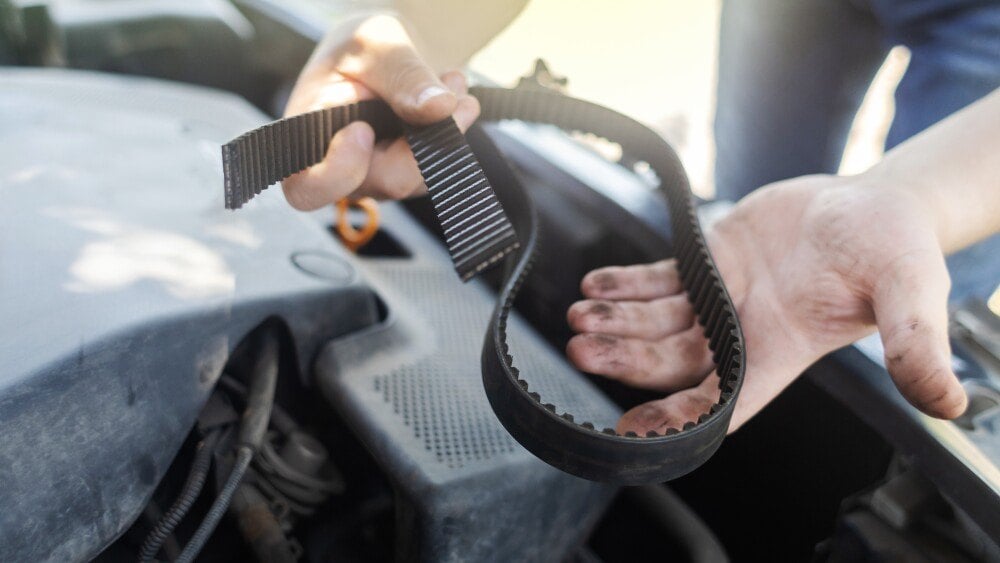
Bad Timing Belt or Chain
Low compression across all of the engine’s cylinders can often be caused by a timing belt or chain issue. If the timing belt is broken, worn out, or off by a few notches, it can prevent the camshaft from turning and opening the exhaust or intake valves. Usually when the belt fails or a woodruff key shears, the camshaft timing will be retarded, which will cause low compression. It can also cause excessive timing chain stretch on older cam-in-block engines with laminated timing chains.
This valve operation is essential for proper combustion, and such malfunction can disrupt compression, causing low or no compression in the cylinders.
What Causes Low Compression in One Cylinder?
When only one cylinder has low compression, this typically points to localized issues, such as:
- Worn or Damaged Piston Rings: Allowing gases to escape the combustion chamber
- Burnt or Stuck Valves: Valves that don’t seal
- Cylinder Wall Damage: Cracks, pits, scoring, or holes in the wall that reduce the seal
What Causes Low Compression in Two Cylinders?
When two adjacent cylinders are experiencing low compression issues, there could be common problems simultaneously affecting shared components and both cylinders. These may include:
- Blown Head Gasket: A breach between two cylinders allowing gases to pass between them
- Cracked Cylinder Head or Block: This has to be an extremely large crack to cause low compression
- Bad Timing Belt or Chain: A ripple effect that could cause the valve to malfunction in multiple cylinders
What Causes Low Compression in All Cylinders?
Low compression across all cylinders points to a systemic problem, typically related to timing issues, overheating, or the wear of multiple components. You’ll typically notice the following:
- Timing Belt or Chain Failure: The camshaft can no longer open the valves properly
- Camshaft Failure: Broken or damaged camshaft preventing valve operation
- Severely Worn Piston Rings: Very noticeable signs of wear leading to significant gas leakage
How to Fix Low Compression in an Engine
While each case is unique, there are some general steps you can take to fix low compression in an engine:
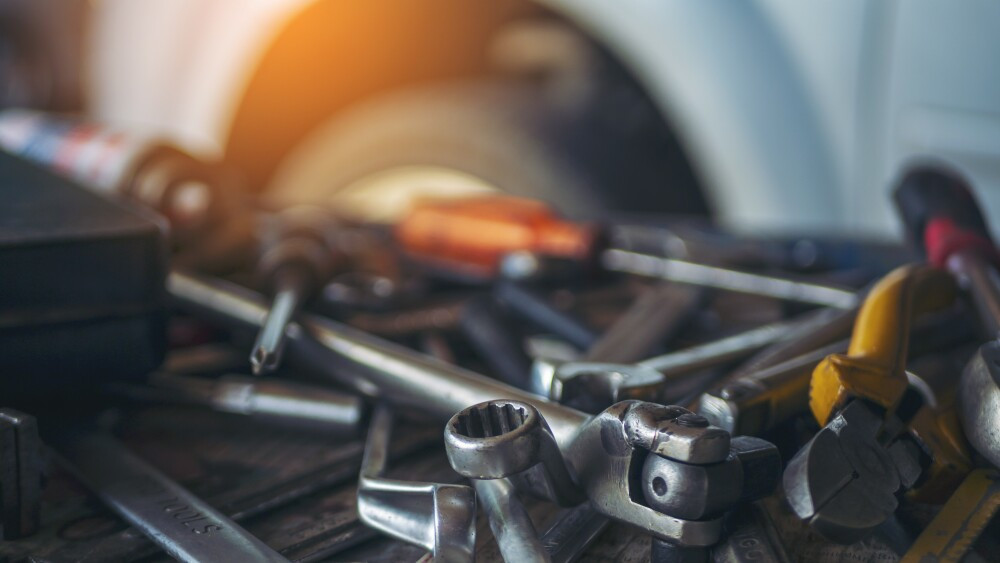
Gather Your Tools
You’ll need the following tools to repair or replace your engine components to restore its operation:
- Compression gauge
- Socket wrench set
- Screwdrivers
- Torque wrench
- Valve spring compressor (as needed for valves)
- Gasket replacement kit
- Honing tool (as needed for cylinder walls)
- Timing belt or chain tools (as needed)
Disable the Engine
Disconnect the battery to ensure safety and avoid accidental electrical short circuits. Remember to remove the ignition coil and spark plug from your target cylinders or disable the fuel system to prevent the engine from starting during disassembly.
Confirm Low Compression Issue
If you suspect low compression in your engine, you’ll need to verify the problem by performing an initial compression test on all cylinders.
Using your compression gauge, have someone crank the engine and look for significantly lower readings in one or more cylinders. Overhead cam engines with four valves per cylinder usually have higher compression than two-valve, camshaft-in-block engines.
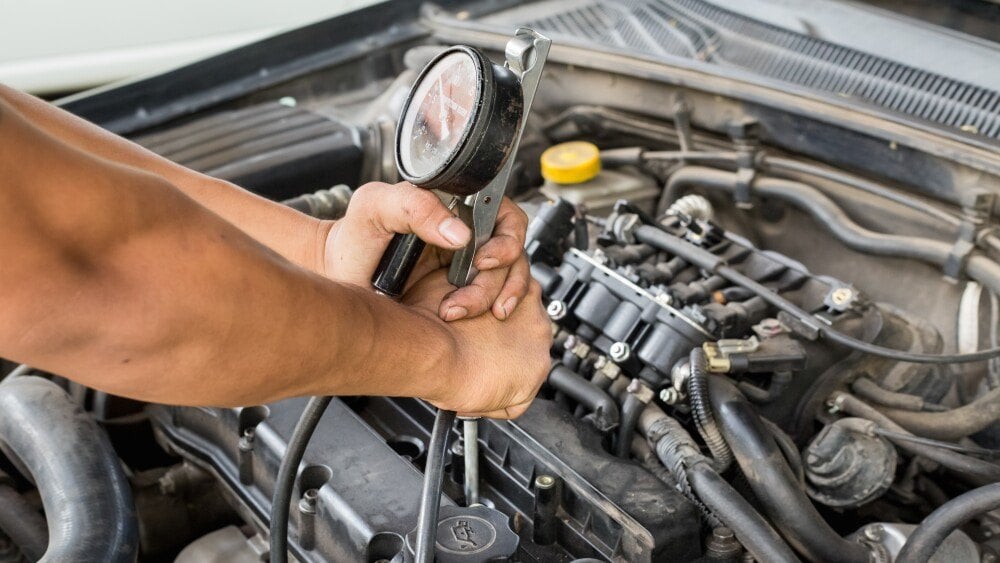
If you detect low compression in one cylinder, squirt some oil in the cylinder and retest to see if the compression increases significantly. If it does, you have piston ring issues. If not, you have valve problems or a hole in the piston.
If you suspect that cylinder wall wash in new vehicles is causing the low compression, all you have to do is remove the spark plugs and squirt a tablespoon or two of oil into each cylinder, spin the engine with the plugs out, and then reinstall them. If the cylinder wall wash is the reason for low compression, the engine will fire up, albeit with a bit of white smoke at first.
Remove the Faulty Components
Depending on the pinpointed issue, remove the necessary components for the repair (but only if you know how):
- For piston or cylinder: Remove the cylinder head pistons, and connecting tools.
- For valves: Remove the cylinder head and disassemble the valvetrain.
- For timing: Access and remove the timing belt or chain.
Repair or Replace Faulty Components
- Piston Rings: Replace worn or damaged rings. Also check nearby cylinder walls for damage, to ensure they can create a tight seal together.
- Cylinder Walls: Have a machine shop bore the cylinders 0.030 oversize and replace the pistons with 30 oversize pistons for a solid rebuild—all new bearings and a new oil pump are also a good plan.
- Valves: Take the head to a machine shop along with the valve stem seals that come with the head gasket set. Have the head checked for warpage and cracks, and if all is well, have the machine shop do a valve job.
Perform a Compression Test
After replacing and fixing each compromised component, start reassembling the engine. Perform a compression test to check if proper compression levels have been restored. Make sure to also verify if all cylinders are now meeting the manufacturer’s specifications.
Maintain Your Vehicle Regularly
Change the oil and filter regularly, use quality fuel, and avoid overheating the engine to help prevent issues that could lead to compression problems. It’s also best to perform scheduled tune-ups and replace timing components according to your manufacturer’s recommendations to ensure optimal engine performance.
FAQ
How expensive is fixing low compression?
The cost of fixing low compression in an engine depends on the underlying cause and the components involved. Since multiple components work together to ensure proper compression, every case is unique, and prices can vary significantly. Repairs are rarely possible, so replacement and labor costs could run between $700 and $1300 depending on the year, make, and model of the vehicle.
Does low compression mean you need a new engine?
It depends on the reason the compression is low. Sometimes a good used replacement engine is the best answer, particularly on newer vehicles. By the time you go to the trouble and expense of removing the timing chains, camshafts, heads, etc., you will spend a lot more money than you will on a good salvage yard engine from a parts recycler—and those engines usually come with a warranty.
How to start a car with low compression?
If all the cylinders have low compression due to cylinder wall washing on low-tension ring engines, add some oil to each cylinder. Otherwise, unless only one or two cylinders have low compression, you probably won’t be able to get it started.