

The idler pulley helps route the drive belt around engine components that would otherwise obstruct its path, while also increasing the belt’s contact with load-bearing pulleys like those for the power steering, alternator, water pump, and A/C compressor.
This guide will help you recognize the symptoms of a bad idler pulley that you need to watch out for.
What are the Signs of a Bad Idler Pulley?
If you have a bad idler pulley, you might notice one or more symptoms happening at once. Here are some of the most common warning signs:
Unusual Noise
Squealing or chattering noises like this usually indicate an issue with your idler pulley or serpentine system. The problem could be a loose idler pulley or an overheating bearing.
Visible Wear and Damage
A quick visual inspection can help you assess whether your idler pulley is damaged. Find the part (check your owner’s manual if you don’t know its location in your vehicle) and inspect it for visible signs of wear, damage, or corrosion.
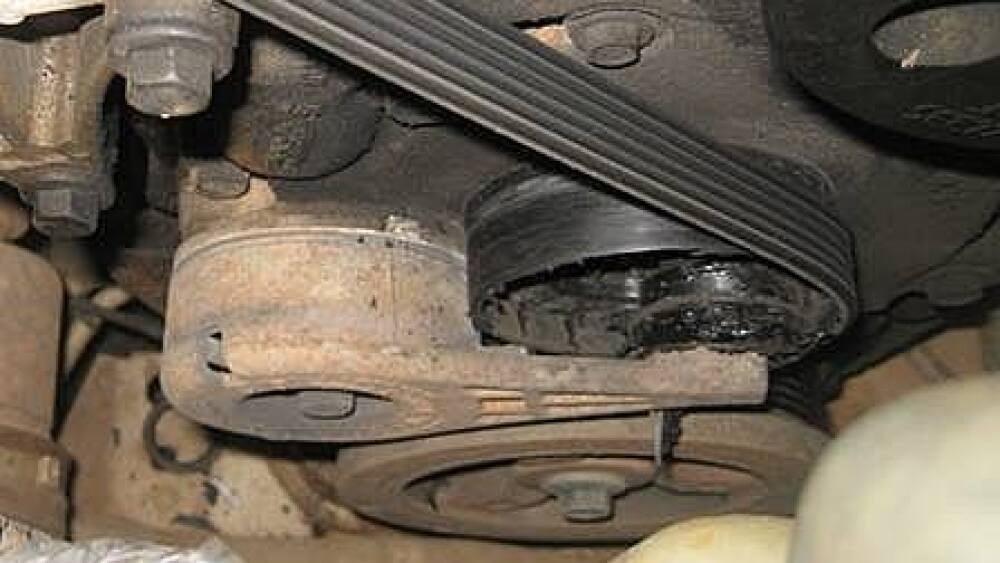
Check its surrounding components, such as the belt, as well. Damage to one or more of these components can lead to even more issues if left unaddressed.
If you’ve been hearing a noise that you suspect is the idler pulley, remove the belt and have an assistant start the engine briefly (about 10 to 15 seconds) while you listen. If the noise is gone, feel all the pulleys for signs of wear, such as roughness or looseness.
Loose Bearings
An idler pulley has a bearing on which it spins. When these bearings go bad, they usually produce a roaring or rattling sound. You can also tell for sure by feeling the pulley with the belt removed, as this is usually more effective than visually checking the bearing.
Visible signs of bad bearings are only discernible if the bearing has severe damage or has failed badly enough that the seals are gone and the balls in the bearing are visible.
Slow Movement
If your vehicle’s idler pulley is in really bad shape, it will slow down or stop moving entirely, which will obviously cause issues with the belt.
Malfunctioning Engine-Driven Accessories
When engine-driven accessories like the alternator, compressor, or air conditioning stop working or malfunction, it could indicate an issue with your idler pulley. While these components can fail independently, they’re also affected by pulley issues. For example, when the A/C compressor isn’t engaged, its pulley spins on a bearing, functioning like an idler pulley—and that bearing can wear out or fail over time.

What is an Idler Pulley?
An idler pulley is a wheel or roller that’s part of your engine’s drive belt system. Its only purpose is to carry the belt—it has no component directly attached to it, unlike the Power Steering Pump or Water Pump pulleys.
Also called accessory belt idler pulley, this component may be smooth or grooved and has bearings that allow it to rotate. Idler pulleys are typically made of steel, aluminum, thermoplastic, and rubber. Most vehicles have one idler pulley but some specialized vehicles can have multiple.
What Does an Idler Pulley Do?
The main function of an idler pulley is to route the drive belt or chain around bends, allowing it to bypass engine components that would otherwise obstruct its path. It also helps change the belt’s direction and assists in belt tensioning. Importantly, the idler pulley doesn’t transmit power or create mechanical advantage.
This component plays a crucial role by reducing wear on the drive belt, helping extend the life of the entire belt system. As mentioned, some idler pulleys have grooves, but most are smooth, allowing the back of the belt to pass over them without interference.
Where is the Idler Pulley Located?
The idler pulley is located within your engine’s drive belt system. However, the exact placement of the idler pulley depends on the vehicle. To find out where this component is located in your car, consult your owner’s manual.
Idler Pulley Replacement Cost
A replacement idler pulley can cost anywhere between $20 to upwards of $600. Add labor costs on top of that and you can expect to pay around $100 or more. However, keep in mind that exact pricing will depend on several factors, including the year, make, and model of your vehicle.
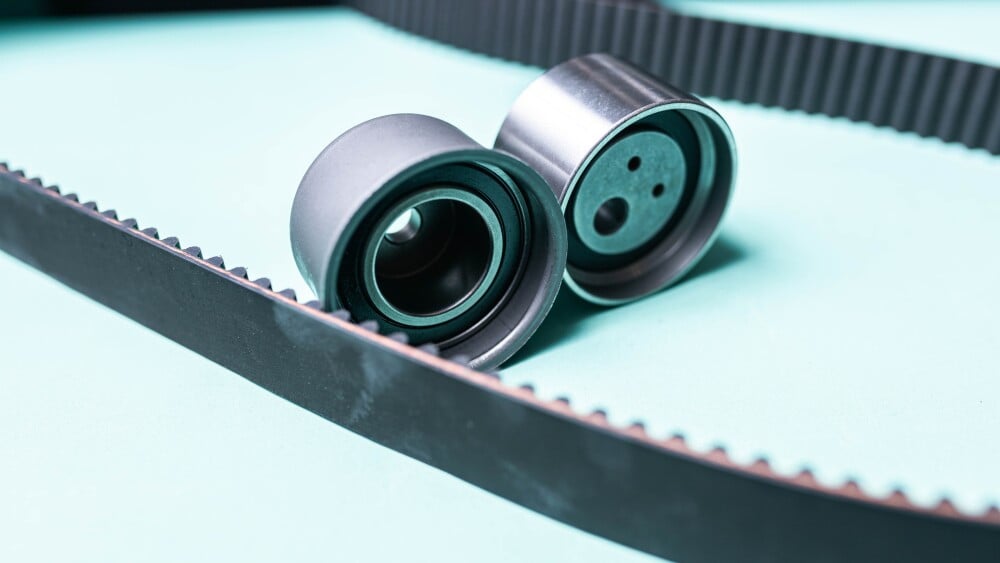
Some idler pulley replacements are sold as a kit with related parts and accessories, such as bolts and water pumps. Meanwhile, some idler pulley accessories like bearings are sold separately.
FAQ
Can a bad idler pulley cause overheating?
Yes, a bad idler pulley can cause overheating if it affects water pump operation. In many vehicles, the engine drive belt system is connected to the water pump.
Is the idler pulley and tensioner the same?
Idler and tensioner pulleys are technically similar, with the main difference being that a tensioner pulley is mounted on a tensioner mechanism. While the two serve similar functions, they are not interchangeable. Together, tensioner and idler pulleys work in the drive belt or serpentine system to transmit power from the engine’s crankshaft to various accessories, such as the alternator, water pump, air conditioning, and power steering pump.
How long can you drive with a bad idler pulley?
For your safety, driving with a bad idler pulley is not recommended. If you spot any of the symptoms of a bad idler pulley, have your drive belt system checked and get any faulty parts replaced immediately.