2015 Mazda CX-5 Tires
-
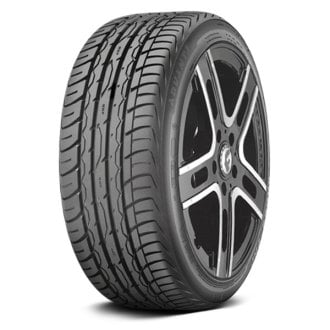 ADVANTA® - HPZ-01$145.95
 -
 ARROYO® - GRAND SPORT 2$68.88 - $94.80
 -
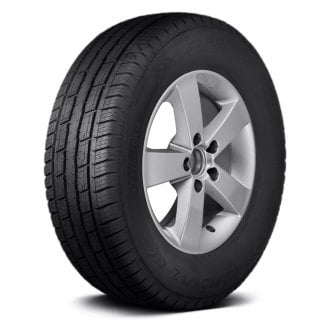 ARROYO® - ECO PRO H/T 2$97.42
 -
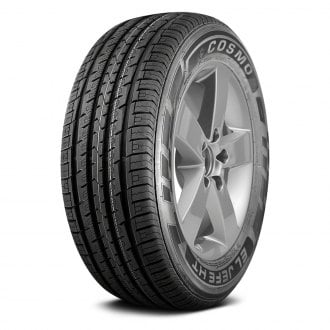
 COSMO® - EL JEFE HT$103.54
 - ATLAS TIRES® - FORCE UHP$134.88 - $147.89
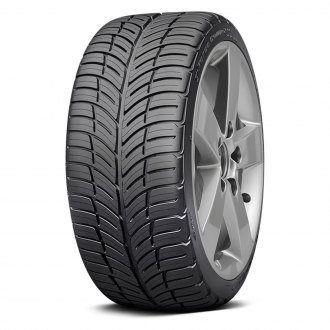
- BFGOODRICH® - G-FORCE™ COMP-2™ A/S PLUS$175.37 - $274.31
- MICHELIN TIRES® - PILOT SPORT 4 S$338.99 - $531.99
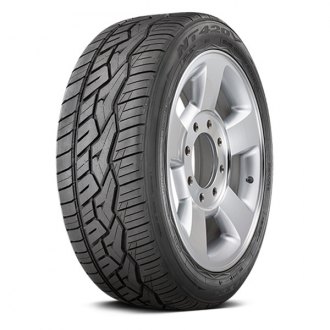
- NITTO® - NT420V$241.21
- TOYO TIRES® - PROXES SPORT A/S$208.42 - $234.36
-
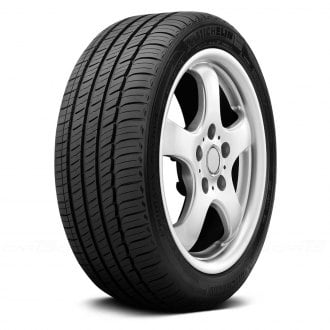
- MICHELIN TIRES® - PRIMACY MXM4$262.07
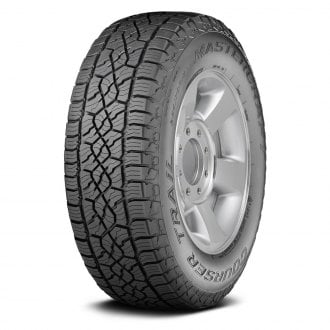
- MASTERCRAFT® - COURSER TRAIL$157.23
- CONTINENTAL TIRES® - VIKINGCONTACT 7$175.13 - $330.92
-
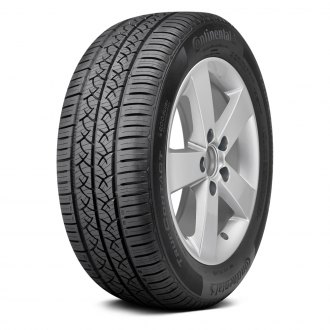
- CONTINENTAL TIRES® - TRUECONTACT$199.34 - $251.12
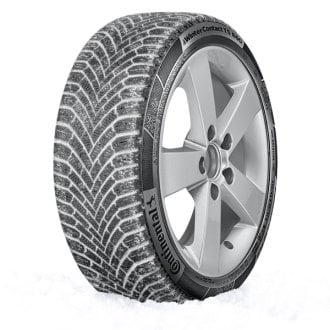
- CONTINENTAL TIRES® - CONTIWINTERCONTACT TS860S$493.28 - $506.50
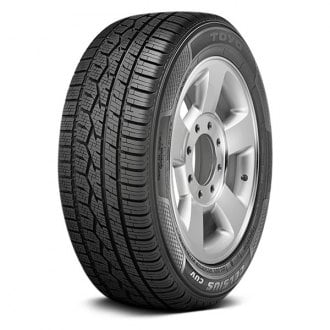
- TOYO TIRES® - CELSIUS CUV$168.96
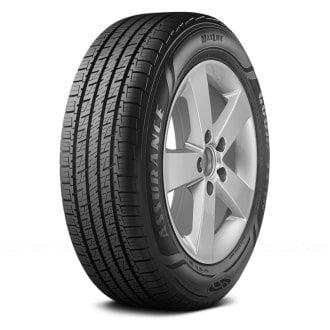
- GOODYEAR TIRES® - ASSURANCE MAXLIFE$185.64 - $215.71
-
-
-
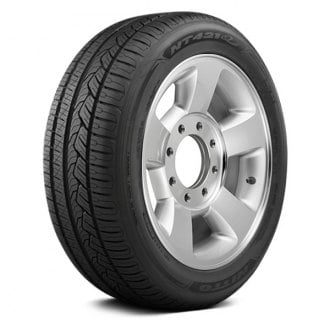
- NITTO® - NT421Q$176.60 - $255.89
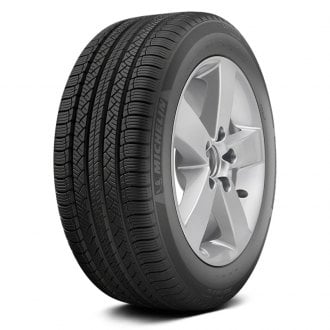
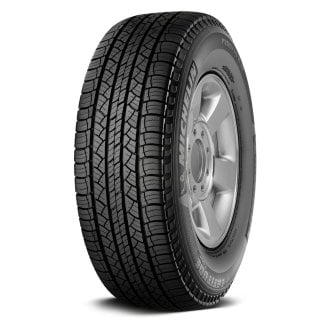
- MICHELIN TIRES® - LATITUDE TOUR HP$223.29 - $424.05
- MICHELIN TIRES® - LATITUDE TOUR$225.47
-
- PIRELLI TIRES® - SCORPION WINTER$177.05
-
-
- PIRELLI TIRES® - WINTER SOTTOZERO SERIES 3 (RUN FLAT)$284.80 - $551.66
-




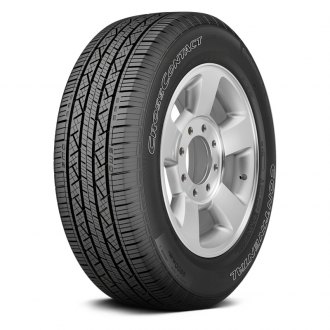
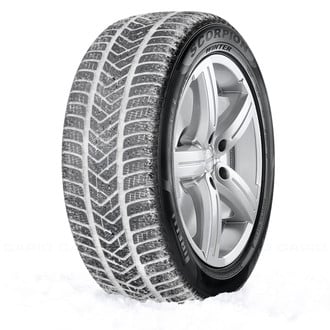
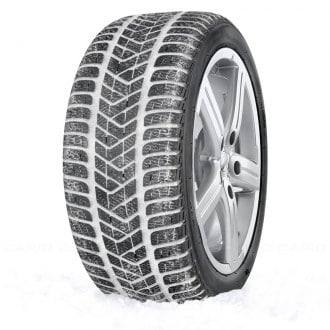
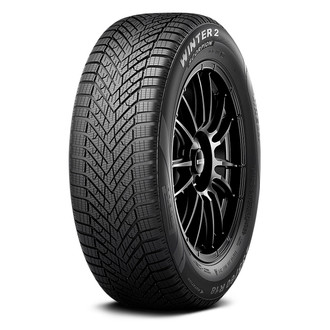
The Mazda CX-5 is a compact crossover SUV with many attractive features which make it one of the top ranks in its market segment. Particularly, owners appreciate its engaging handling and excellent performance/fuel-efficiency ratio. Tires have a big impact on the aforementioned traits as they are the only components that directly create traction with the road. A new set of tires can improve handling, steering precision, suspension responsiveness, and braking. We offer a broad choice of 2015 Mazda CX-5 tires designed to meet every possible driving goal.
All-season truck/SUV tires are a favorite pick among owners. They are specifically designed for modern crossovers and sport utes and provide good performance and adequate traction in most road and weather conditions, even on light snow. Tread block size and pattern, as well as the depth of siping, ensure effective removal of water, increased stability, and decreased levels of noise. For harsher wintry weather, consider installing a set of winter/snow tires. Their compounds feature higher natural rubber content to keep the material flexible at low temperatures, while special tread patterns with biting edges improve grip on snow, ice and sleet. On the contrary, hot climates call for summer tires, designed to provide top performance at higher temperatures (45 degrees and above).