2014 Dodge Charger Tires
-
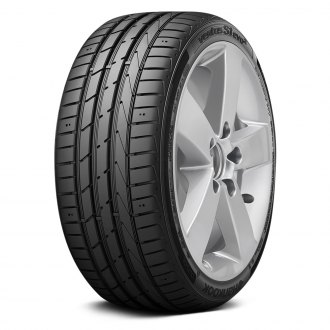
-
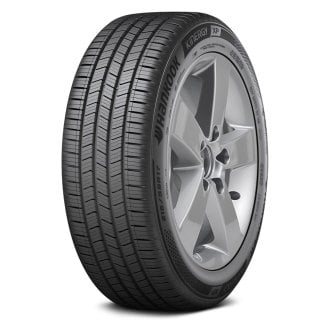 HANKOOK® - KINERGY XP$212.99 - $289.99Mail-in RebateGet $80 prepaid card back - Details
 -
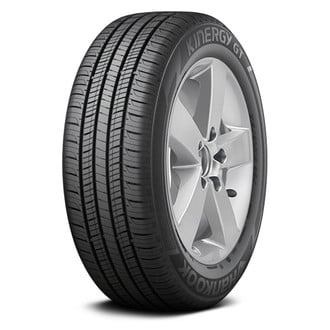
-
 HANKOOK® - VENTUS S1 A/S H125$240.99 - $328.99
 - HANKOOK® - ION EVO AS SUV IH01A$266.99 - $425.99
- HANKOOK® - ION EVO SUV IK01A$294.99 - $374.99
- HANKOOK® - ION EVO IK01$344.99 - $394.99
- HANKOOK® - KINERGY AS EV$349.00 - $393.51
- VENOM POWER® - COVERT GRIP ASP$94.59 - $130.47
- VENOM POWER® - COVERT GRIP CV$98.79 - $124.51
- VENOM POWER® - TRAIL HUNTER ATS$152.99 - $190.99
- GENERAL® - ALTIMAX ARCTIC 12$129.09 - $161.99Mail-in RebateGet up to $180 prepaid card back - Details
- GENERAL® - ALTIMAX 365AW$175.99 - $256.99Mail-in RebateGet up to $180 prepaid card back - Details
- GENERAL® - G-MAX JUSTICE$242.73
- GENERAL® - G-MAX JUSTICE AW$256.85
- ATTURO® - AZ810$119.95 - $143.45
- NEXEN® - ARIA AH7$154.00 - $191.00
- NEXEN® - N BLUE 4SEASON 2$156.00 - $256.00
- FIRESTONE® - WINTERFORCE 2$167.51
- FIRESTONE® - DESTINATION LE3$167.99 - $252.01
- FIRESTONE® - FR710$184.26
- FIRESTONE® - WEATHERGRIP$187.99 - $224.99
- FIRESTONE® - FIREHAWK GT$257.27
-
- BRIDGESTONE TIRES® - ECOPIA H/L 422 PLUS$202.99 - $390.18
- BRIDGESTONE TIRES® - BLIZZAK LM-001$226.88 - $270.85
- BRIDGESTONE TIRES® - DUELER H/P SPORT$253.86 - $508.46
-
- BRIDGESTONE TIRES® - ALENZA SPORT A/S$275.59 - $370.78
-
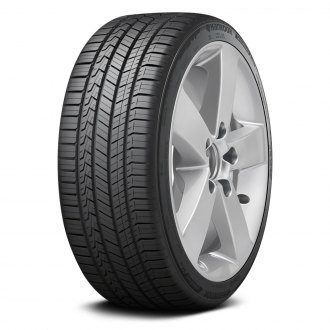
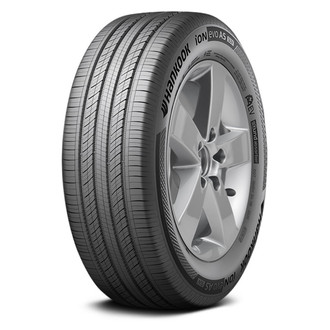
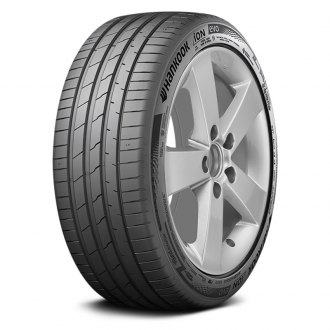
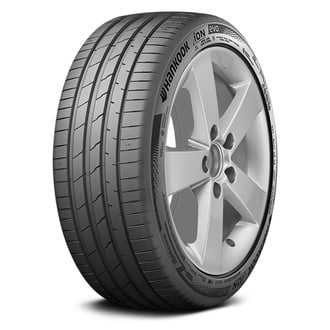
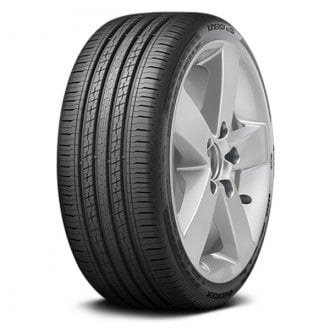
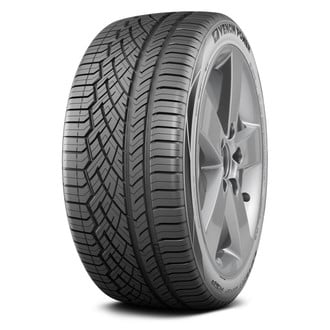
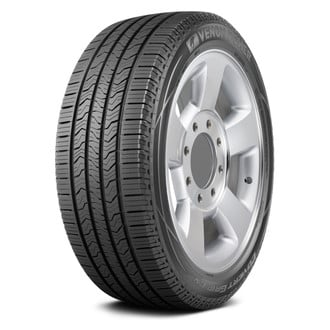

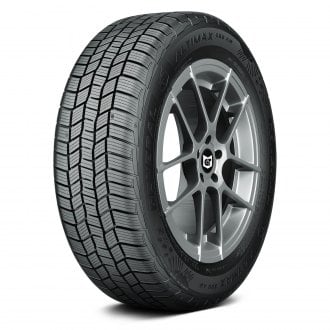
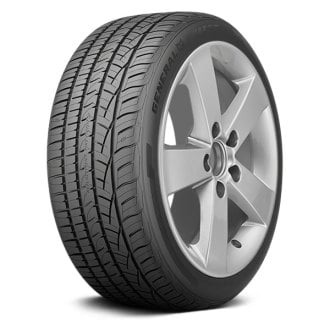
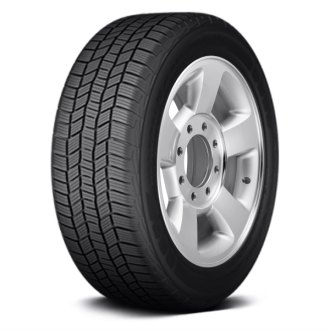
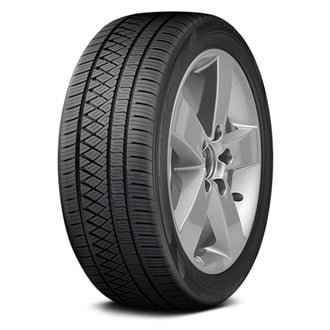
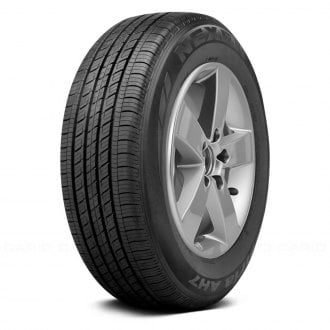
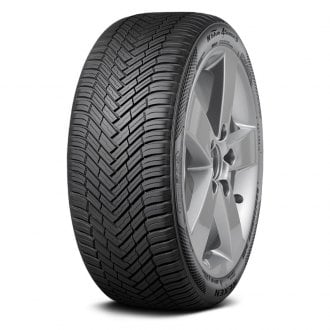
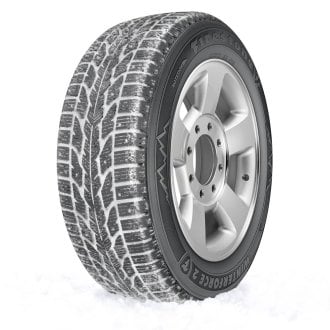
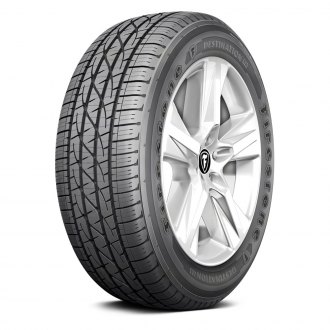
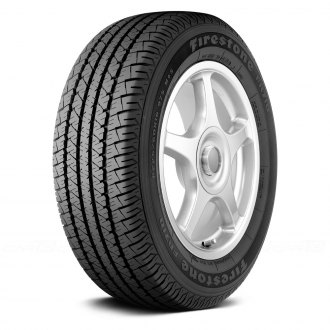
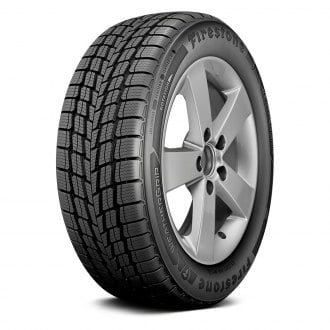

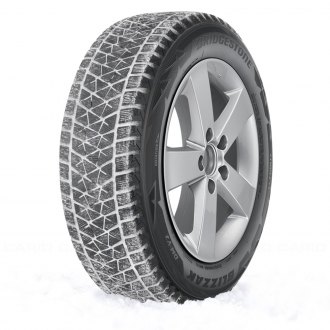
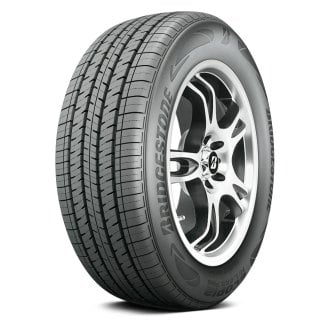
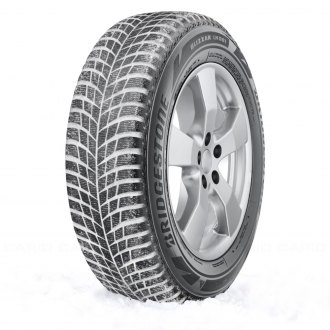
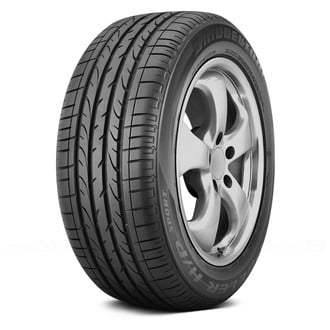
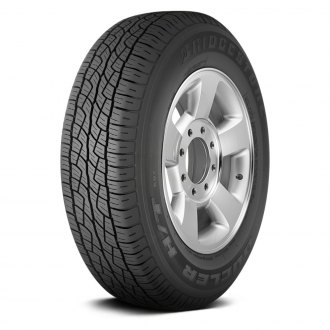

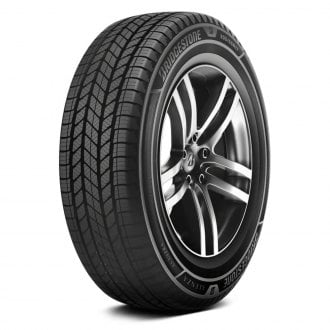
The Dodge Charger provides the perfect combination of the automaker’s heritage styling, an award-winning premium interior, and thrilling driving performance. To enjoy its ultimate performance for many years, you should maintain all its parts and components to the letter. Some components deteriorate faster than others and therefore require extra attention. For example, tires are in constant contact with the road surface, so there is no wonder that they wear out due to friction. Besides, they can deteriorate due to oxidation and also require replacement.
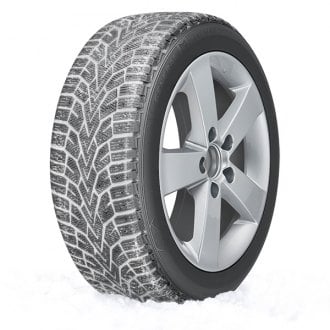
When choosing new rubber for your vehicle, make sure that it meets your weather and road conditions as well as your driving habits and style. In our selection of 2014 Dodge Charger tires, you will find a variety of products available in different types and designs to choose from. Depending on your weather conditions, you can choose among summer, winter, and all-season rubber. The latter is considered the most universal as it can operate on both dry and wet pavement at various temperatures. However, all-seasons don’t remain pliable when the temperatures drop below 45 degrees and cannot provide the required traction. This is when winter/snow rubber comes in useful. Summer tires can handle extreme heat (above 86 degrees).