2013 Hyundai Elantra Tires
-
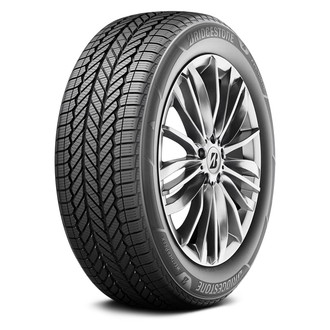 BRIDGESTONE TIRES® - WEATHERPEAK$172.99 - $205.99
 -
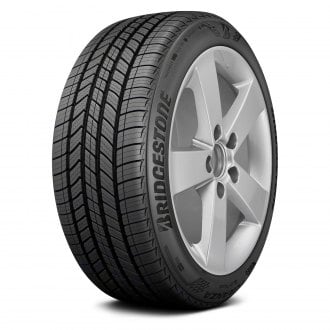
-
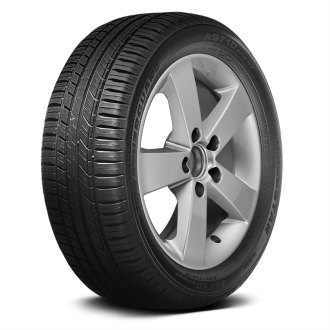
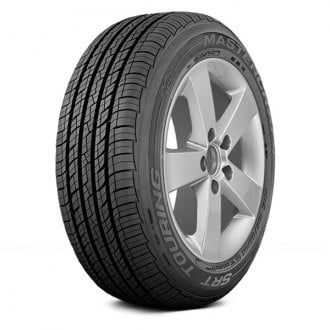 MASTERCRAFT® - SRT TOURING$101.93
 -
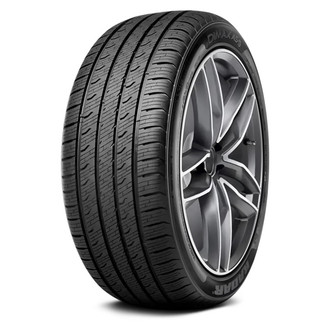
 RADAR® - DIMAX AS-9$64.84
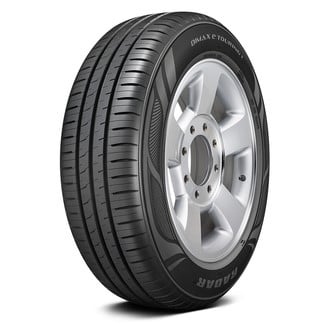
 - RADAR® - DIMAX ETOURING 1$67.68
- VENOM POWER® - COVERT GRIP ASP$75.54 - $80.44
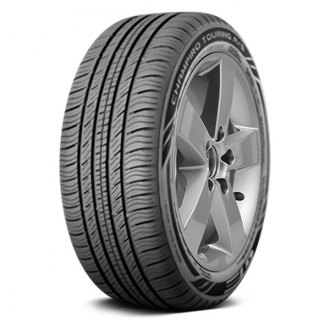
- GT RADIAL® - CHAMPIRO TOURING AS$91.99 - $101.99
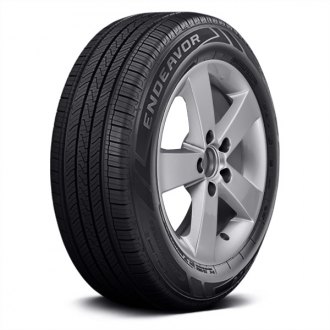
- COOPER TIRES® - ENDEAVOR$120.99 - $157.99
- COOPER TIRES® - EVOLUTION WINTER$122.71 - $169.73
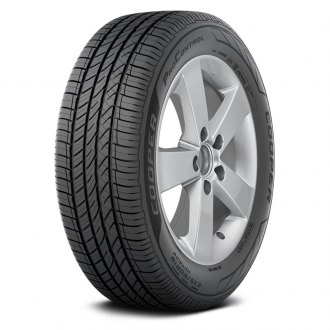
- COOPER TIRES® - PROCONTROL$134.99 - $169.99
- FORCELAND® - VITALITY F22$69.18
- NOKIAN® - HAKKAPELIITTA R5$188.70 - $220.58
-
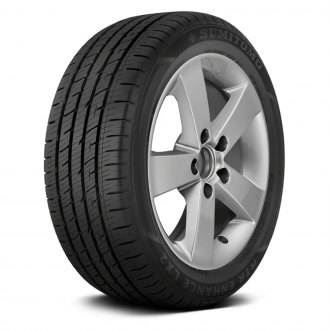
- SUMITOMO TIRES® - HTR Z5$122.99
- COSMO® - MUCHO MACHO$63.61 - $90.58
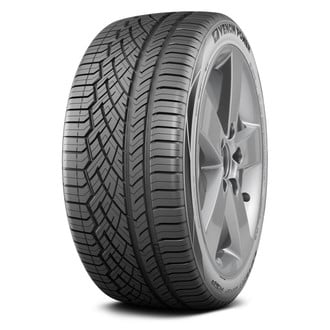
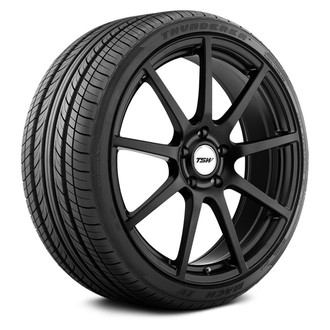
- THUNDERER® - MACH IV R302$74.52
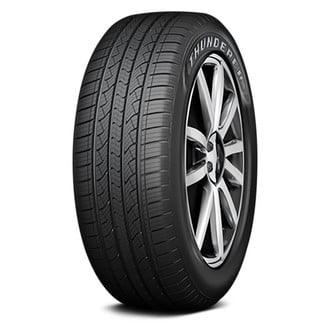
- THUNDERER® - MACH I PLUS$86.38 - $89.71
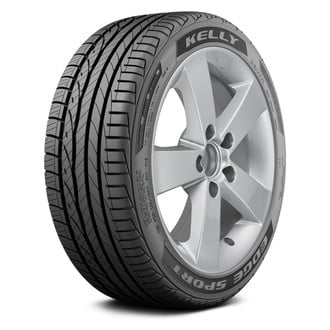
- KELLY® - EDGE SPORT$132.55
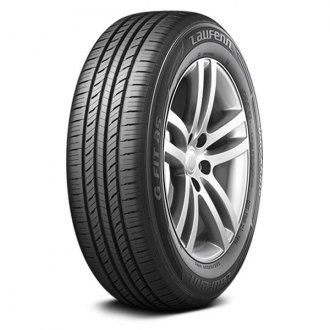
- LAUFENN® - G FIT AS$99.99
- ARROYO® - GRAND SPORT A/S$63.90 - $80.75
- GOODYEAR TIRES® - EAGLE SPORT$158.18 - $171.53
- TOYO TIRES® - PROXES SPORT A/S$99.30 - $159.28
- HANKOOK® - KINERGY GT H436$138.31 - $152.99
- YOKOHAMA® - ADVAN SPORT A/S PLUS$147.99 - $179.99
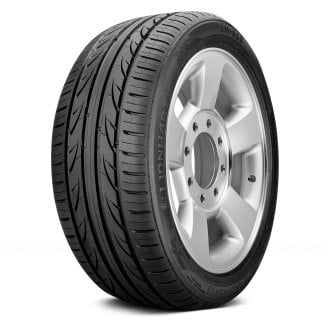
- LIONHART® - LH-503$77.18 - $80.99
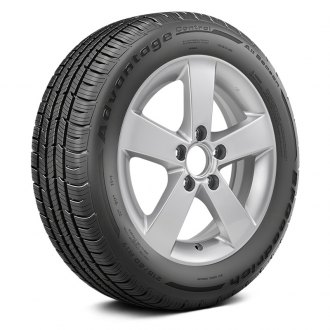
- BFGOODRICH® - ADVANTAGE CONTROL$122.99 - $182.99
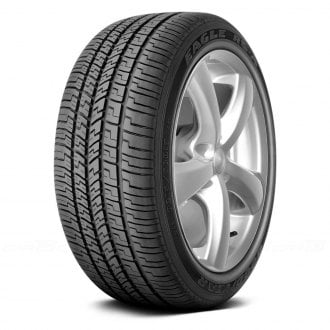
- GOODYEAR TIRES® - EAGLE RS-A$152.90 - $160.94
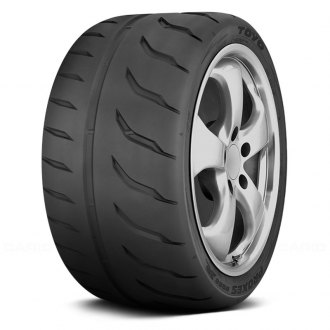
- TOYO TIRES® - PROXES R888R$217.09 - $227.89
- MILESTAR® - WEATHERGUARD AS710 SPORT$88.95 - $99.95
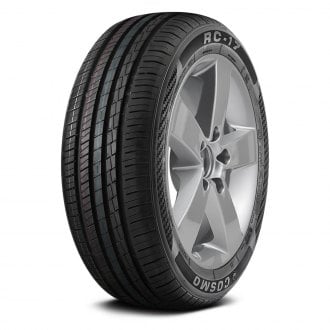
- COSMO® - RC-17$53.55 - $76.67



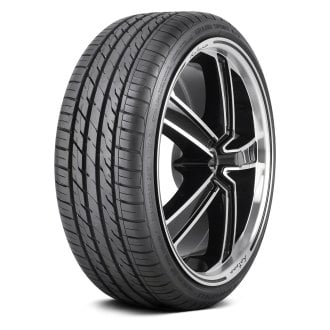
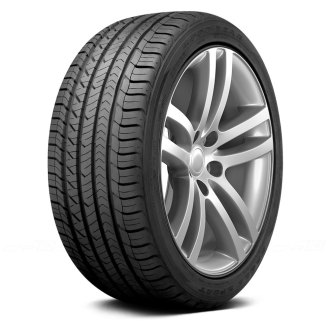

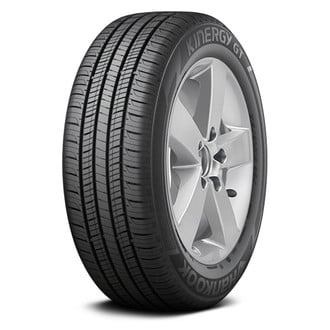
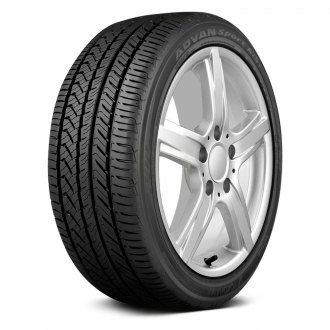
Fuel efficiency and calm driving manners are some of the features that make the 2013 Hyundai Elantra a top pick for a compact sedan. There is much that these characteristics depend on, with no exception for your car’s tires. Worn out rubber can make your ride uncomfortable and even dangerous, while also requiring the engine to work harder and consume more fuel. If you are looking to replace the deteriorated or damaged rubber, check out our selection of 2013 Hyundai Elantra tires by Ironman, Pirelli, Michelin, and other internationally-renowned manufacturers. A new set of tires can take your car’s performance to a new level by improving its acceleration, handling, and braking.
We carry all types of tires designed for a range of weather conditions and driving styles. Performance tires are made from softer rubber and feature little to none tread block patterns. This ensures superior grip when driving at high speeds and helps reduce spinning and sliding while cornering and accelerating. All-season rubber features tread depth and pattern to provide optimal balance of grip and durability, wet-weather safety, and even decent performance in colder conditions and light snow. However, if you live in a state prone to low temperatures and heavy snowfalls in winter, switching to snow tires is a safer option. They give you better traction in snow and ice thanks to specialized rubber compounds that remain flexible as well as biting edges that dig into snow and ice.