2013 Ford Fusion Tires
-
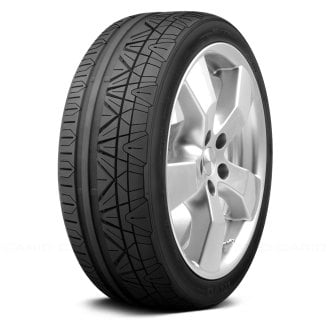 NITTO® - INVO$272.18
 -
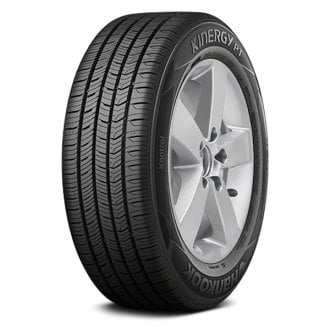 HANKOOK® - KINERGY PT H737$137.99 - $284.99Mail-in RebateGet $80 prepaid card back - Details
 -
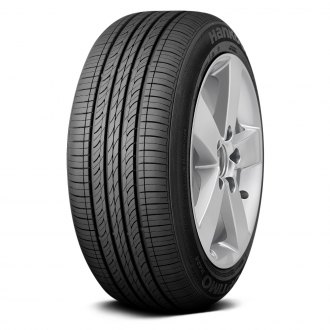 HANKOOK® - OPTIMO H426$139.07
 -
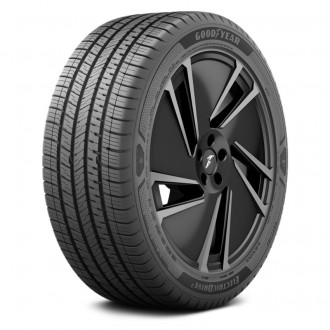
 GOODYEAR TIRES® - ELECTRICDRIVE 2$262.38 - $282.99
 - PIRELLI TIRES® - CINTURATO WEATHERACTIVE$184.15 - $276.86
-
- BRIDGESTONE TIRES® - TURANZA EV$216.52 - $273.16
- KUMHO® - SOLUS 4S HA32$137.80 - $225.78
-
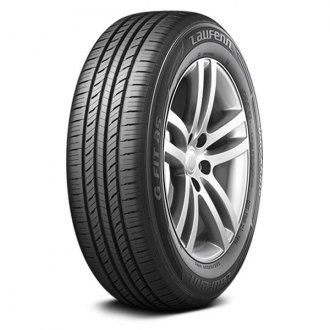
- LAUFENN® - G FIT AS$106.59Mail-in RebateGet up to $60 prepaid card back - Details
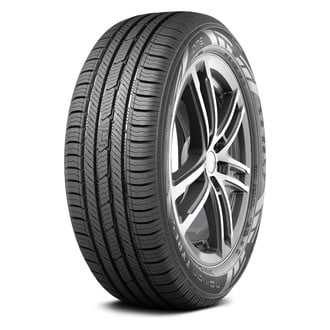
- NOKIAN® - ONE$136.46 - $216.17
- NOKIAN® - REMEDY WRG5$151.64 - $223.93
- NOKIAN® - SURPASS AS01$175.43 - $204.92
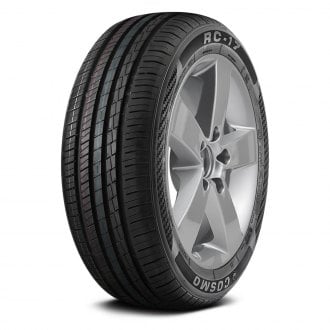
- COSMO® - RC-17$79.70
- TOYO TIRES® - OBSERVE GSI-6 HP$168.91 - $197.35
- TOYO TIRES® - CELSIUS SPORT$217.18 - $296.37
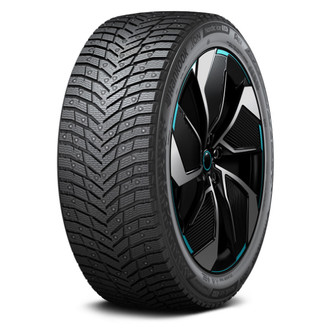
- CONTINENTAL TIRES® - VIKINGCONTACT 8$160.99 - $271.99
- CONTINENTAL TIRES® - SECURECONTACT AW$173.99 - $249.99
-
-
- HANKOOK® - VENTUS S1 A/S H125 EV$121.18
- HANKOOK® - KINERGY XP$145.99 - $277.99Mail-in RebateGet $80 prepaid card back - Details
- HANKOOK® - VENTUS S1 A/S H125$185.99 - $244.99
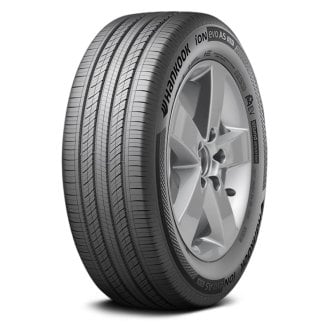
- HANKOOK® - ION EVO AS IH01$286.99 - $296.99
-
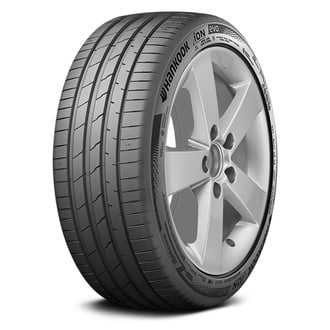
- HANKOOK® - ION EVO IK01$291.99
-
-
-
- GOODYEAR TIRES® - EAGLE LS-2$179.99
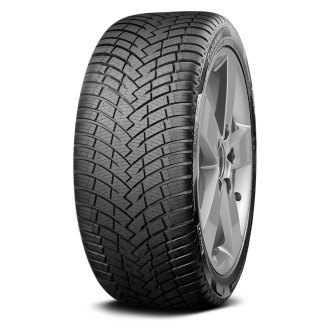
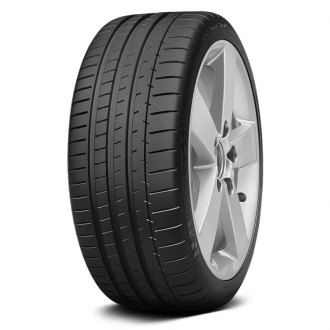
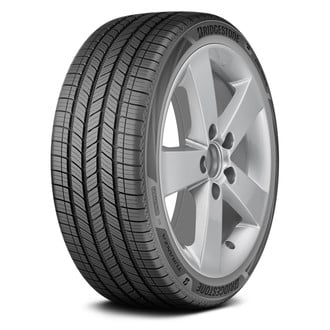
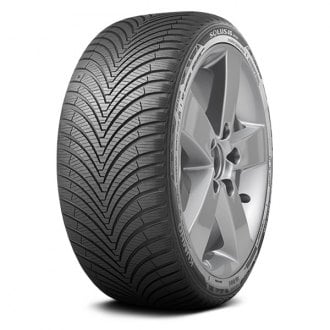
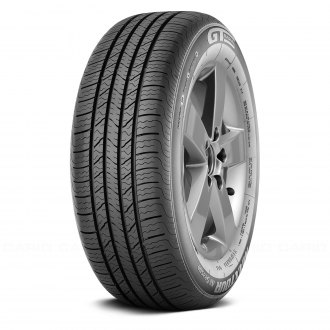


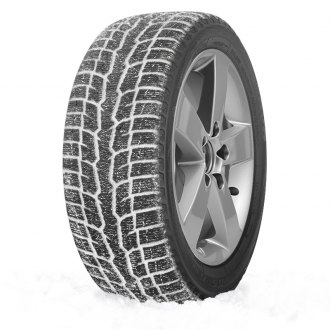
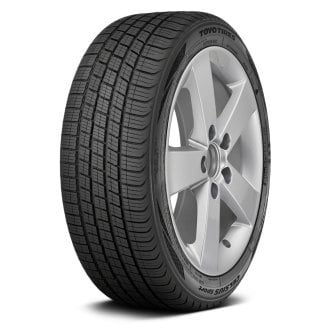
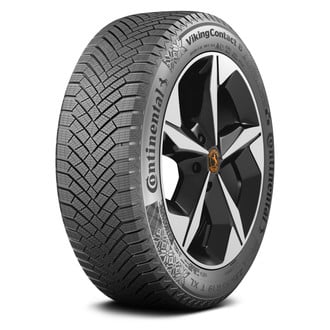
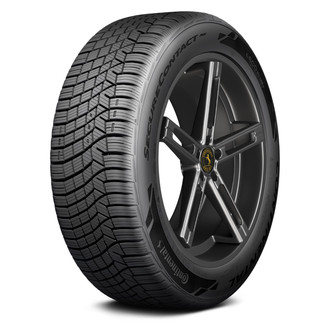
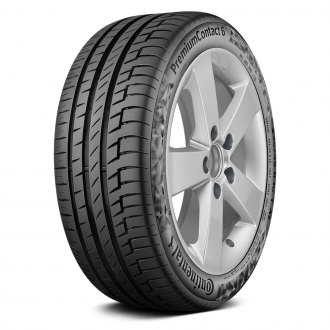
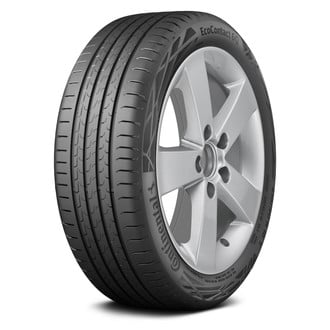
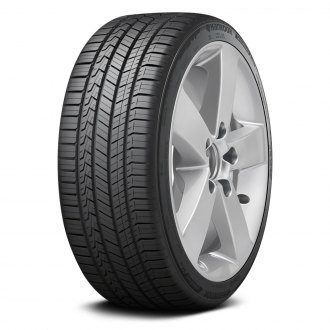
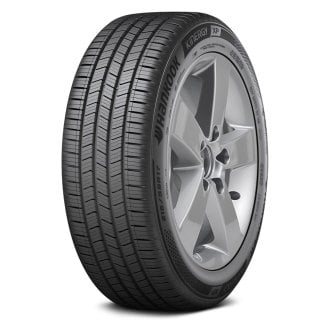
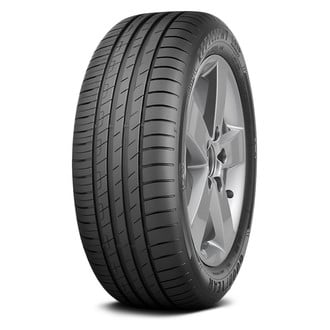
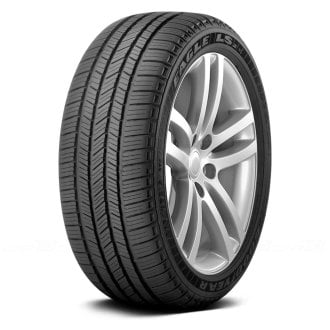
It is generally known that tires matter much for safety, so they need to be replaced when the tread is less than 2/32 inch or if your climate requires seasonal tire changeovers. There are many more aspects of performance that your car’s rubber has an impact upon, including handling, ride comfort, and even fuel economy. The right set of tires will give you an even more enjoyable driving experience. In itself, your 2013 Ford Fusion is rather comfortable and engaging to drive, but new rubber can give you entirely new emotions. Choose the type which suits your driving style and weather situation best. Look no further than our catalog packed with premium-quality 2013 Ford Fusion tires by market-leading brands.
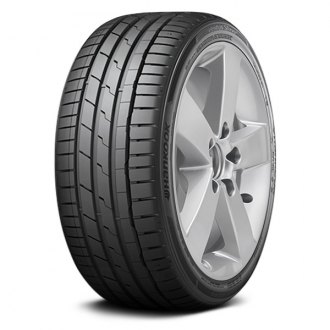
Your driving habits and weather situation will dictate what type of rubber you should install to ensure a safe ride. All-season tires can handle different weather conditions throughout the year. Summer tires do not have as much space between tread blocks as their all-season counterparts while featuring fewer grooves, allowing for more contact with the road. Their treads and compounds are optimized for dry/wet traction, which translates into improved cornering, braking, and acceleration in warmer conditions. Winter tires, on the contrary, feature more aggressive grooves, deeper treads, and pliable compounds for better grip in freezing temperatures and in snow and ice.