2013 Chrysler 200 Tires
-
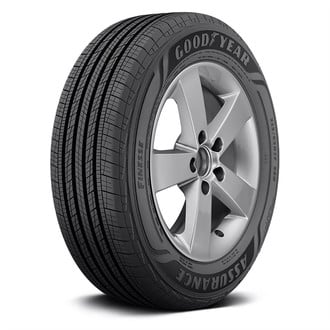
-
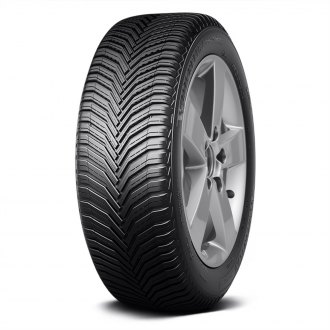 MICHELIN TIRES® - CROSSCLIMATE 2$233.99 - $255.99
-
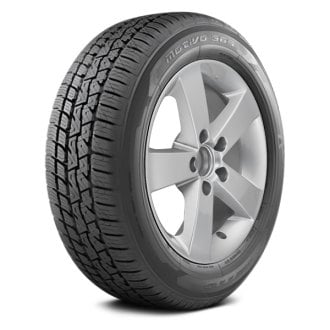 NITTO® - MOTIVO 365$160.00 - $223.00
-

- CONTINENTAL TIRES® - PROCONTACT TX$208.13 - $290.23
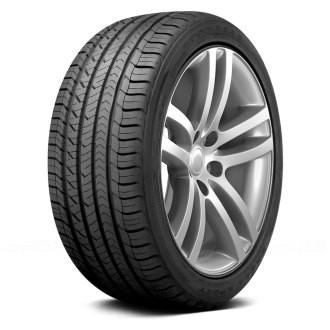
- GOODYEAR TIRES® - EAGLE SPORT$112.43
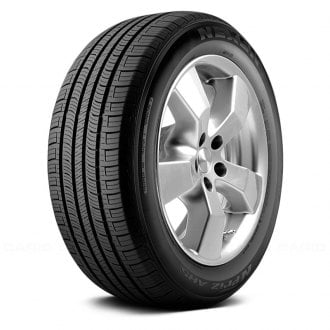
- NEXEN® - N PRIZ AH5$143.00 - $152.00
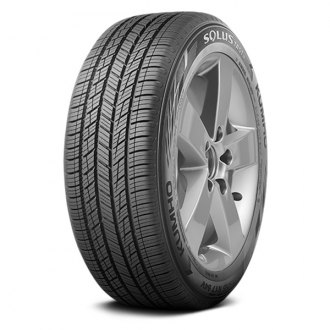
- KUMHO® - SOLUS TA51A$150.87 - $177.45
- LAUFENN® - S FIT AS$120.99 - $171.99
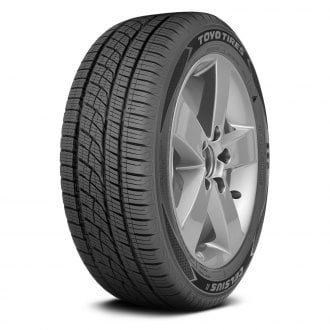
- TOYO TIRES® - CELSIUS II$171.39 - $205.49
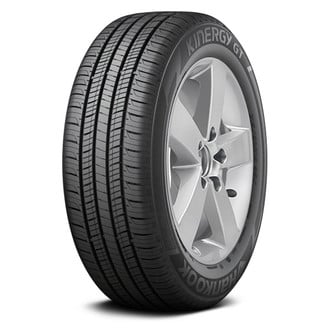
- HANKOOK® - KINERGY GT H436$182.99 - $189.99
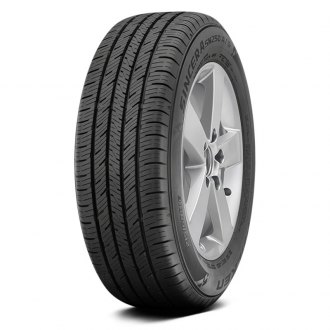
- FALKEN® - SINCERA SN250$144.00 - $167.00
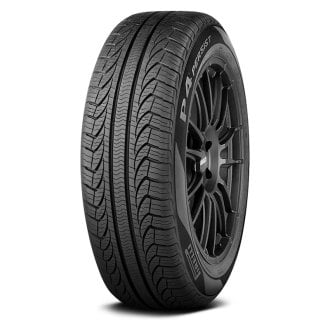
- PIRELLI TIRES® - P4 PERSIST A/S PLUS$180.54 - $193.72
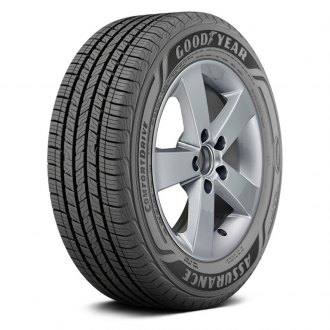
- GOODYEAR TIRES® - ASSURANCE COMFORTDRIVE$195.11 - $215.83
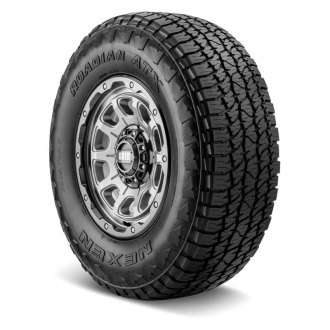
- NEXEN® - ROADIAN ATX$177.00
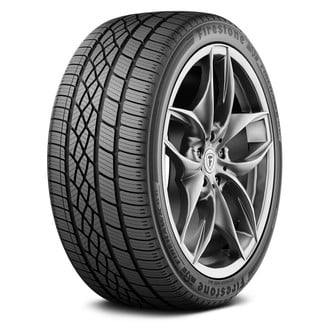
- FIRESTONE® - FIREHAWK A/S V2$150.99 - $199.99
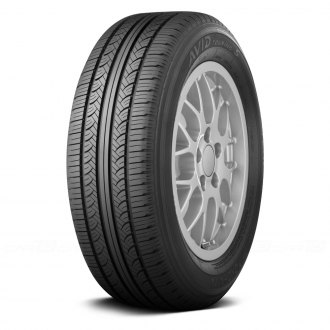
- YOKOHAMA® - AVID TOURING-S$155.94
- VENOM POWER® - RAGNAROK GTS$95.07
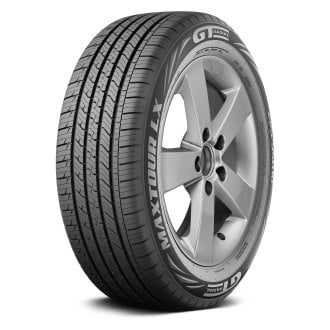
- GT RADIAL® - MAXTOUR LX$130.99 - $146.99
- NITTO® - NOMAD GRAPPLER$208.96 - $210.25
- HANKOOK® - WEATHERFLEX GT$182.99
- BFGOODRICH® - G-FORCE PHENOM T/A$178.99 - $267.66
- FALKEN® - WINTERPEAK F-ICE 1$129.00 - $131.00
- FALKEN® - AKLIMATE$171.00 - $220.00
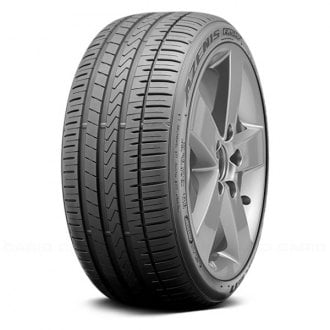
- FALKEN® - AZENIS FK510$204.00 - $248.00
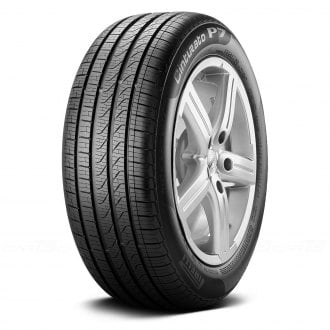
- PIRELLI TIRES® - CINTURATO P7 A/S$281.64 - $325.68
-
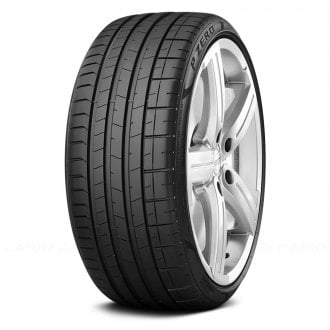
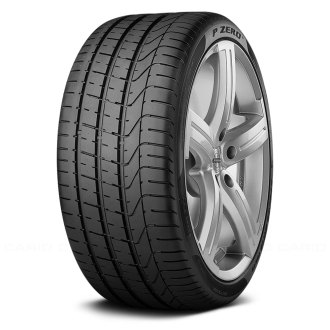
- PIRELLI TIRES® - P ZERO$476.90 - $478.28
- NEXEN® - N FERA AU7$150.00 - $197.00
- NEXEN® - N FERA SU1$198.00 - $206.00
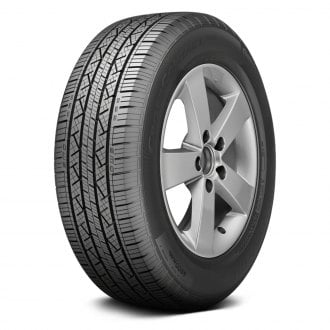




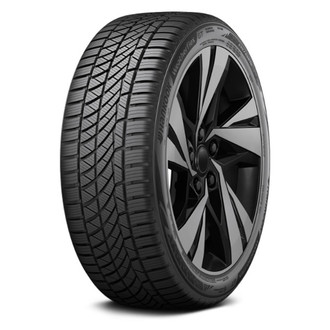
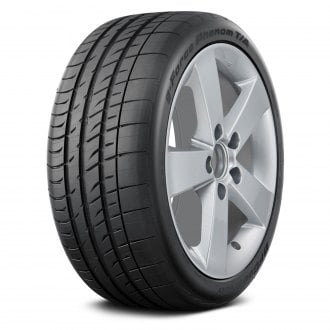
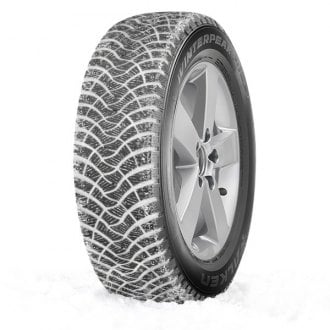
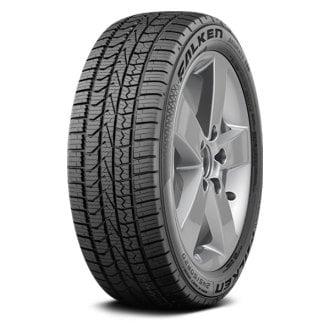
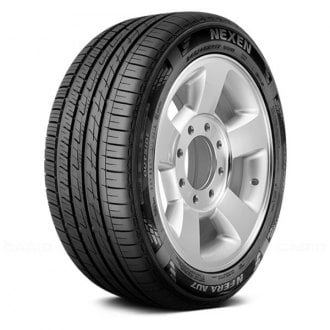
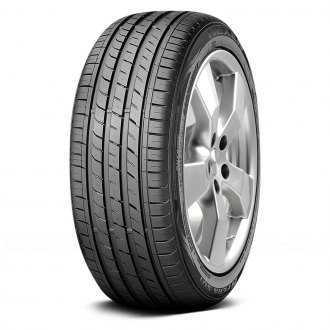
Built to provide the perfect blend of reliable driving performance, a stylish exterior, and well-equipped interior, the 2013 Chrysler 200 ticks all the boxes for the most demanding drivers. Thanks to its high safety scores, the vehicle is a solid choice for beginners. However, to ensure it performs its best, all its systems and parts should operate at their peak. Tires are no exception. As the only points of contact between your auto and the road, they should have sufficient tread depth to ensure the right level of traction for predictable acceleration and braking performance.
There are a number of signs that indicate you need a tire replacement. To choose the finest rubber that meets all your needs, browse through the catalog of 2013 Chrysler 200 tires we showcase in our store. They come in a number of types and designs to match different climates, road conditions, and driving habits. As an example, Summer tires have less grooving and put more rubber in contact with the road thus ensuring better traction at high temperatures, while their winter siblings feature deeper grooves, multiple sipes, and extended shoulders for safe driving on snow- and ice-covered roads.