2012 Mazda 3 Tires
-
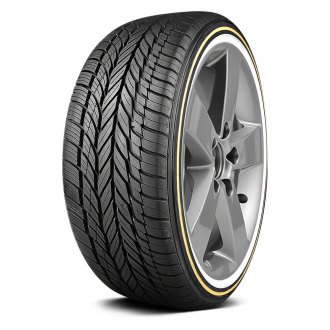
-
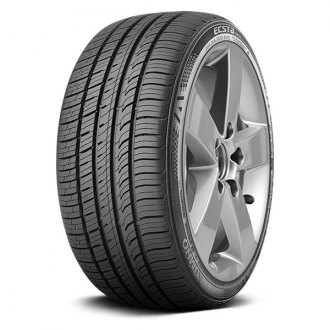 KUMHO® - ECSTA PA51$76.12 - $134.59
 -
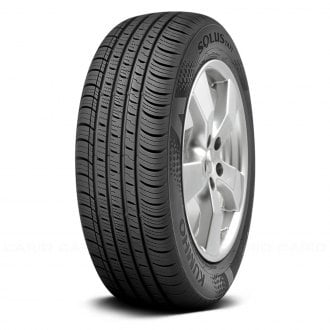
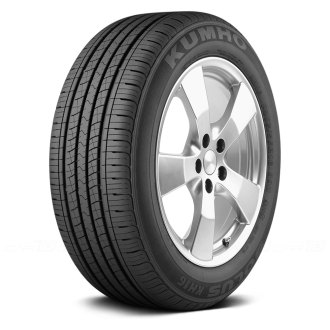 KUMHO® - SOLUS KH16$91.62
 -
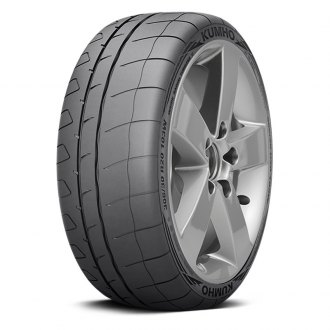
 KUMHO® - ECSTA PS31$96.22 - $129.02
 - KUMHO® - SOLUS TA71$124.32 - $176.87
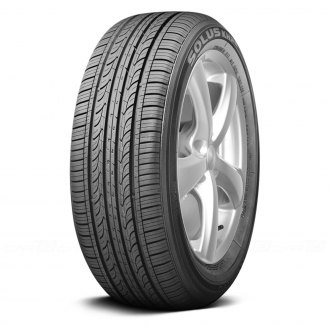
- KUMHO® - SOLUS KH25$138.88
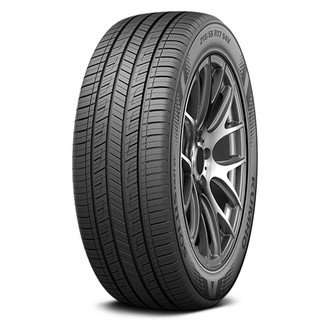
- KUMHO® - SOLUS TA31 EV$143.10
- KUMHO® - ECSTA V730$157.94 - $224.72
- RADAR® - DIMAX R8$79.53
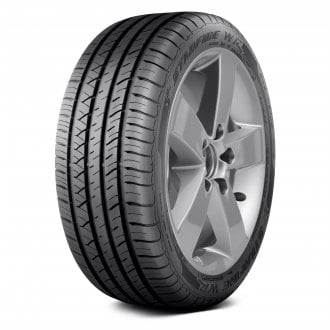
- STARFIRE® - WR$124.28 - $136.52
- ARROYO® - GRAND SPORT 2$60.17 - $69.29
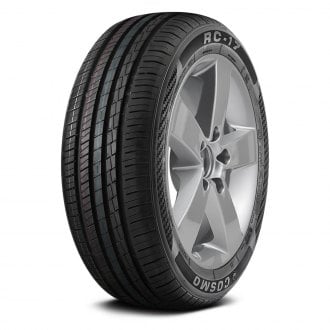
- COSMO® - RC-17$53.55
- ATLAS TIRES® - FORCE UHP$101.40 - $108.64
- PIRELLI TIRES® - P ZERO NERO A/S$204.31
- TOYO TIRES® - CELSIUS$164.58
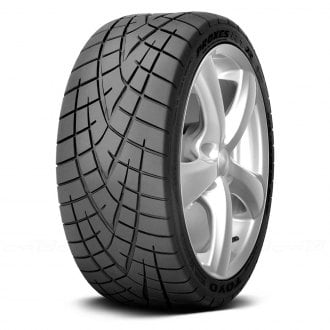
- TOYO TIRES® - PROXES R888R$216.62 - $307.78
-
-
-
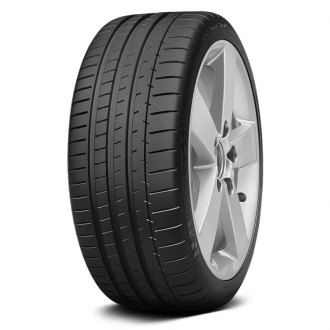
- MICHELIN TIRES® - PILOT SUPER SPORT$285.30 - $296.94
- TOYO TIRES® - PROXES R1R$205.55 - $234.58
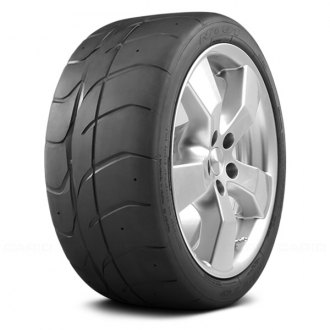
- NITTO® - NT01$321.17
- CONTINENTAL TIRES® - VIKINGCONTACT 7$158.72 - $230.24
- CONTINENTAL TIRES® - TRUECONTACT$172.16
- CONTINENTAL TIRES® - CONTIWINTERCONTACT TS830P$183.57 - $249.53
-
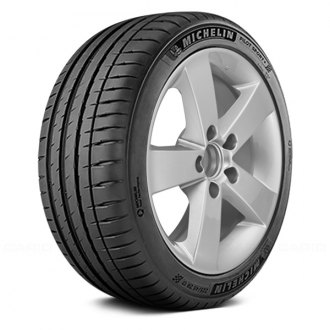
- MICHELIN TIRES® - PILOT SPORT 4$229.13 - $276.28
-
-
-
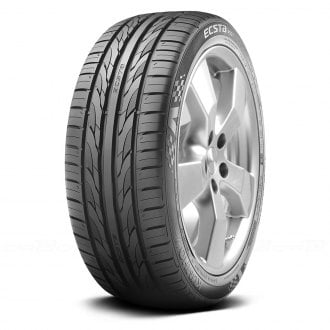
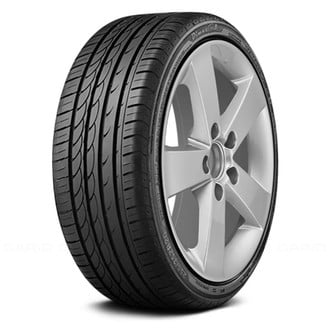

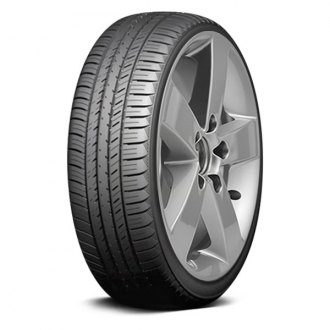
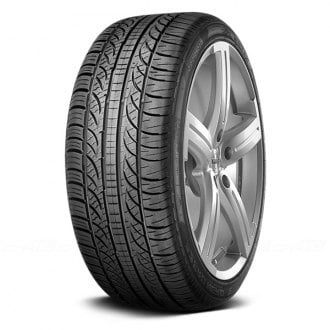
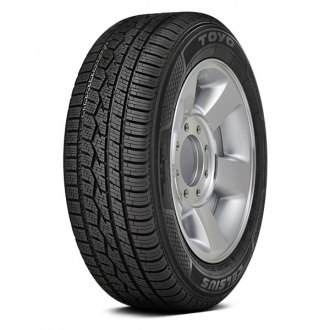
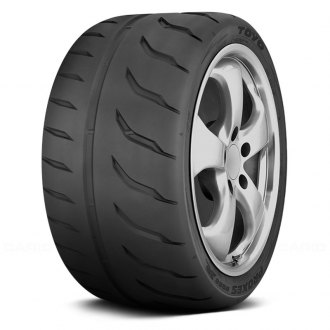
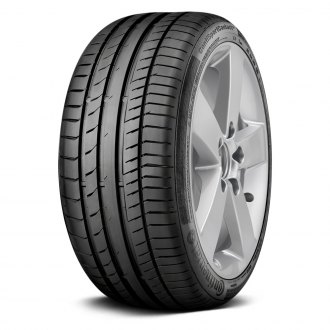


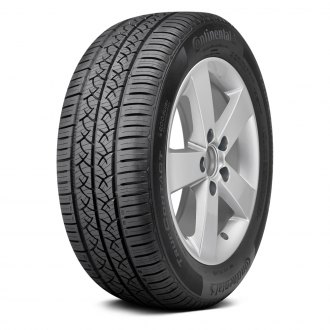

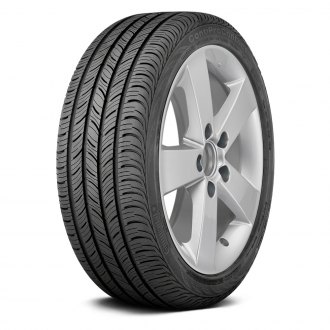
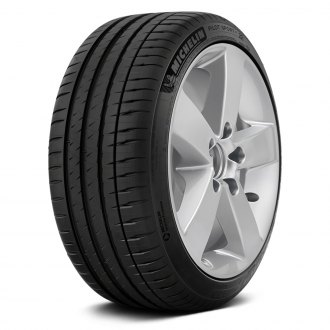
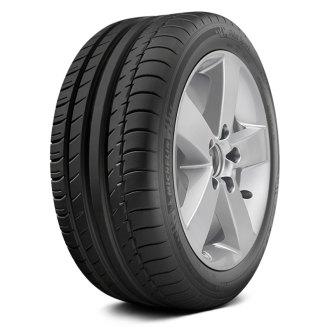
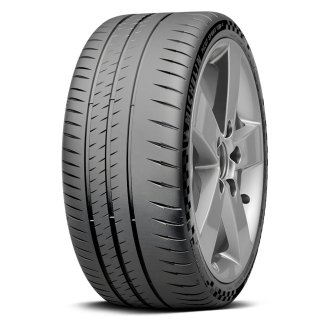

The 2012 Mazda 3 delivers a perfect combination of great gas mileage and enthusiast-oriented chassis, which has made it one of the most popular vehicles. To meet different drivers’ needs, it is offered in multiple trim levels. But the beauty of this compact car is that whichever model you go with, it will be well-equipped for fun and comfortable driving. However, there is always room for improvement and you can make your ride even more exciting without compromising its safety by replacing its original tires with a new set of rubber. Whether you want to improve your driving experience or just replace your worn rubber to ensure your safety on the road, you are certain to find the solution on our virtual shelves stocked with premium-quality 2012 Mazda 3 tires.
Timely replacement of rubber is a must if you want your drive to be safe and comfy, so you should inspect it on a regular basis and replace it at the first signs of deterioration. Depending on your weather conditions, you can choose among winter, summer, and all-season rubber. Summer tires work best in hot climates, while their winter/snow counterparts feature huge tread blocks and more flexible resin allowing them to operate at low temperatures in ice and snow. All-seasons are built to deliver year-round performance in moderate climates, where temperatures rarely go too high and drop too low.