2010 Mazda 3 Tires
-
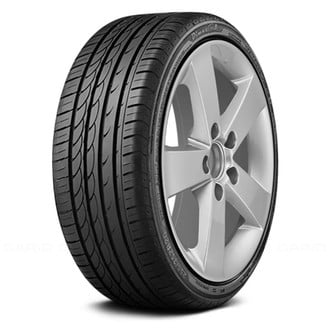
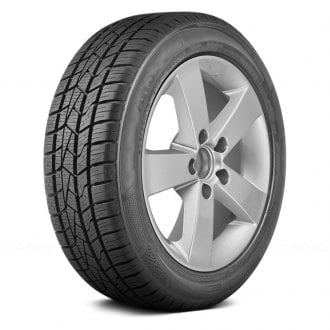 LEXANI TIRES® - QUATTRO TEMPO AW$74.19 - $83.26
 -
-
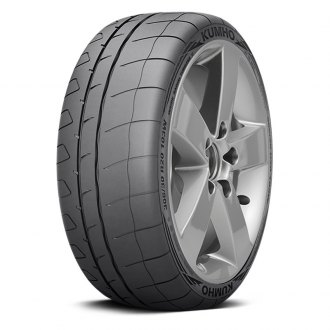
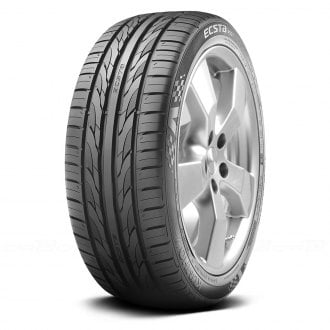 KUMHO® - ECSTA PS31$96.22 - $129.02
 -
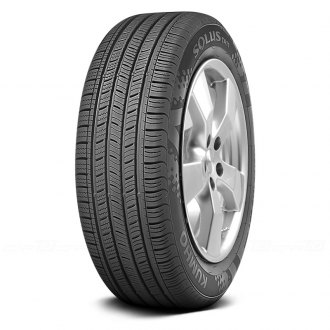
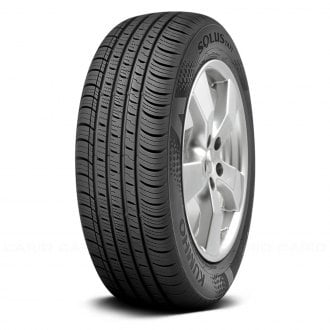
 KUMHO® - SOLUS TA11$113.08
 - KUMHO® - SOLUS TA71$124.32 - $176.87
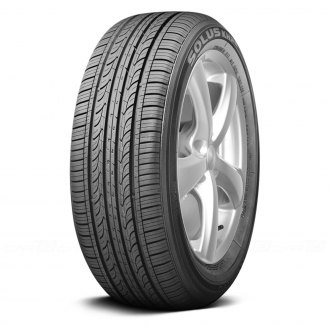
- KUMHO® - SOLUS KH25$138.88
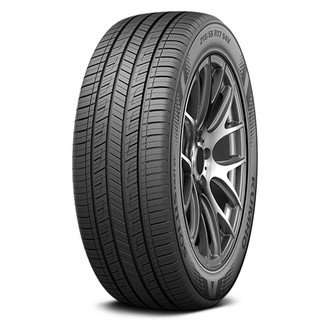
- KUMHO® - SOLUS TA31 EV$143.10
- KUMHO® - ECSTA V730$157.94 - $224.72
- RADAR® - DIMAX R8$79.53
- RADAR® - DIMAX R8 (RUN FLAT)$86.86 - $134.56
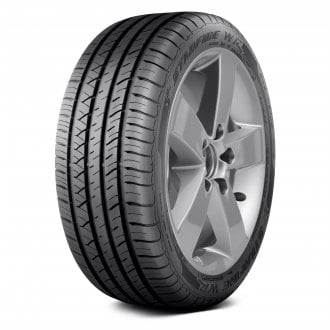
- STARFIRE® - WR$124.28 - $136.52
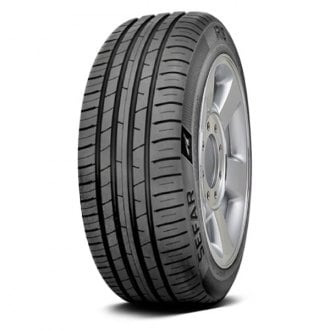
- IRIS® - SEFAR$52.02
- ARROYO® - GRAND SPORT 2$60.17 - $69.29
- ATLAS TIRES® - FORCE UHP$101.40 - $108.64
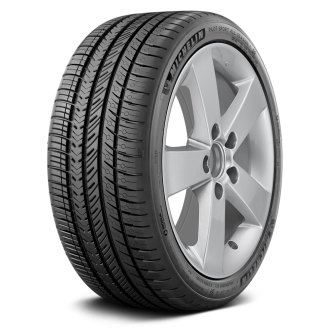
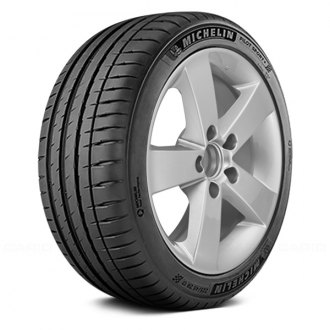
- MICHELIN TIRES® - PILOT SPORT A/S 4$204.99 - $334.99
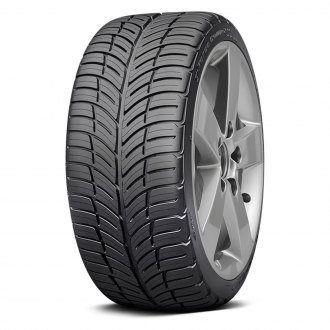
- BFGOODRICH® - G-FORCE™ COMP-2™ A/S PLUS$170.70 - $196.30
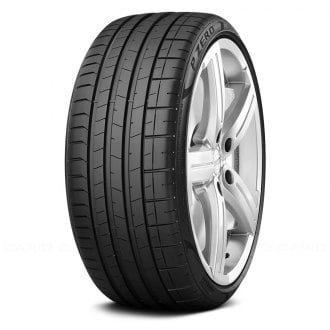
- PIRELLI TIRES® - P ZERO PZ4$197.58 - $553.12
- TOYO TIRES® - PROXES SPORT A/S$130.42 - $229.82
- MICHELIN TIRES® - PRIMACY A/S$289.25
- PIRELLI TIRES® - P ZERO NERO A/S$204.31
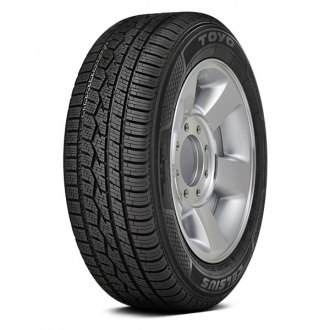
- TOYO TIRES® - CELSIUS$155.08
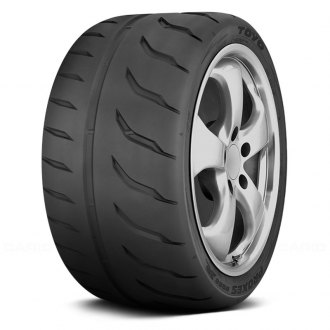
- TOYO TIRES® - PROXES R888R$204.36 - $290.36
-
-
-
- MICHELIN TIRES® - PILOT SUPER SPORT$285.30 - $296.94
- TOYO TIRES® - PROXES A20$142.70
- TOYO TIRES® - PROXES A05B$146.93
- TOYO TIRES® - PROXES SPORT$165.61 - $213.96
- TOYO TIRES® - PROXES R1R$205.55 - $234.58




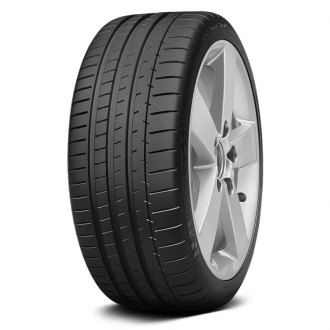
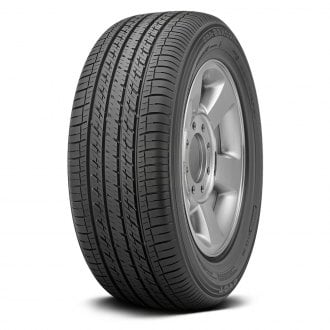
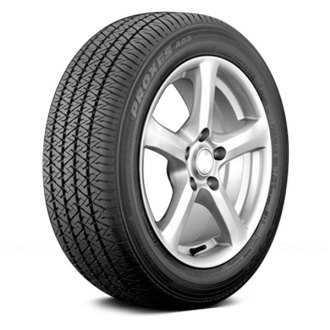
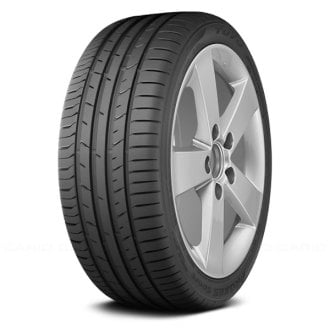
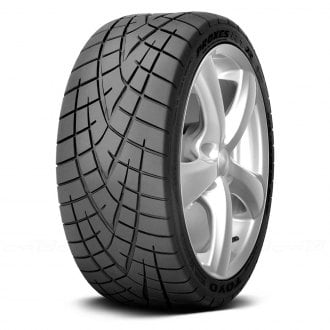
Since its introduction in the early 2000s, the Mazda 3 has become one of the favorite picks among compact car users. Modern styling and plush interiors are matched by unrivaled precise handling and excellent performance under the hood. You can improve these qualities even further by equipping your Mazda with a proper set of tires. Today, the industry produces rubber tailored to meet specific requirements of different customers valuing such things as increased fuel mileage, boosted performance, and more enjoyable driving. Also, certain tires are designed to cope with different seasons and terrains providing a safe ride in all circumstances. We have gathered a vast array of premium 2010 Mazda tires designed and made by many top-ranked companies in the industry.
Weather and seasons are the most crucial variables in selecting the most suitable set of tires. In climates where the winters are especially harsh, you need to equip your Mazda with winter rubber during the cold season. These tires compounds have a high percentage of natural rubber to maintain the original softness when the temperature drops. Large tread blocks, wrapping shoulders, and deep grooves provide traction and ensure the removal of snow and mud. Summer tires, on the contrary, are made from harder compounds designed to work best when the temperature rises, while blocks and sipes are just sketches to ensure adherence and cornering performance even on wet roads. For more moderate weather conditions, all-season tires are the most reasonable choice.