2009 Honda Civic Tires
-
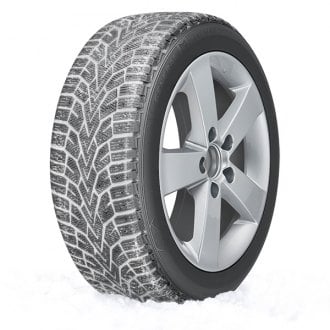 GENERAL® - ALTIMAX ARCTIC 12$105.10 - $164.99Mail-in RebateGet up to $180 prepaid card back - Details
 -
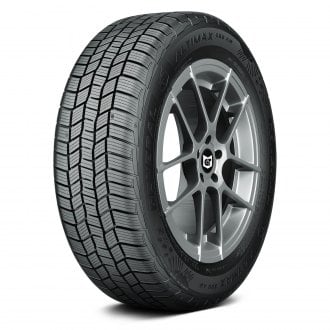 GENERAL® - ALTIMAX 365AW$132.99 - $183.99Mail-in RebateGet up to $180 prepaid card back - Details
 -
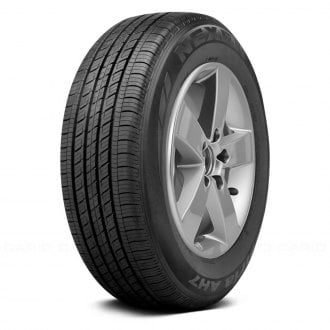 NEXEN® - ARIA AH7$105.00 - $132.00
 -
 NEXEN® - CP662$111.00 - $138.00
 - NEXEN® - N BLUE 4SEASON 2$111.00 - $141.00
- NEXEN® - N PRIZ AH8$115.00 - $141.00
- NEXEN® - CP671$116.00 - $145.00
- MASTERCRAFT® - SRT TOURING$98.14 - $101.93
- ATTURO® - AZ810$76.68
- ACCELERA® - ECO PLUSH$65.95
- YOKOHAMA® - AVID ASCEND GT$122.99 - $174.99
- BRIDGESTONE TIRES® - ECOPIA EP422$150.39 - $180.02
- BRIDGESTONE TIRES® - ECOPIA EP422 PLUS$163.99 - $189.99
-
- BRIDGESTONE TIRES® - POTENZA SPORT$167.99 - $254.99
- YOKOHAMA® - S35A$171.62
- BRIDGESTONE TIRES® - WEATHERPEAK$172.99 - $205.99
- BRIDGESTONE TIRES® - TURANZA QUIETTRACK$183.99 - $226.99
- KUMHO® - SOLUS KH16$61.34 - $112.65
- KUMHO® - ECOWING ES01 KH27$74.64
- KUMHO® - SOLUS TA31$110.21 - $158.36
- KUMHO® - SOLUS TA91$110.21
- KUMHO® - ECSTA SPORT A/S PA71$124.80 - $152.88
- KUMHO® - SOLUS KU50$125.19
- KUMHO® - ECSTA SPORT PS72$153.92 - $182.00
- KUMHO® - ECSTA SPORT S PS72S$214.24
- RADAR® - DIMAX ETOURING 1$63.16 - $67.68
- RADAR® - DIMAX AS-9$64.84
- RADAR® - DIMAX AS-6$70.75
- VENOM POWER® - COVERT GRIP ASP$74.59 - $80.44
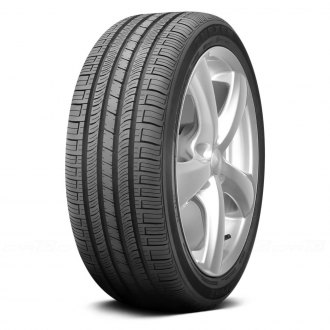
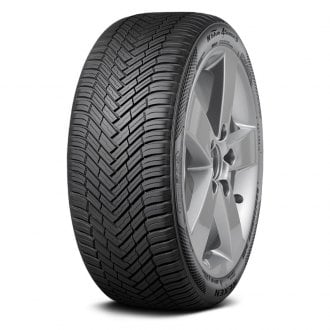
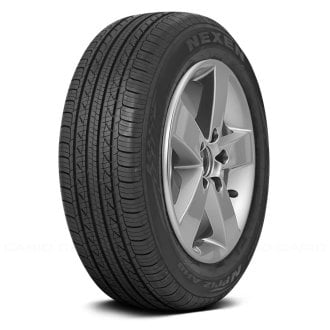
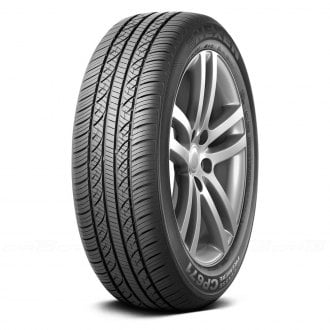
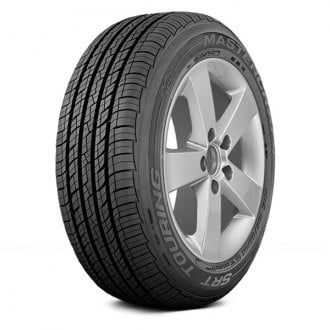
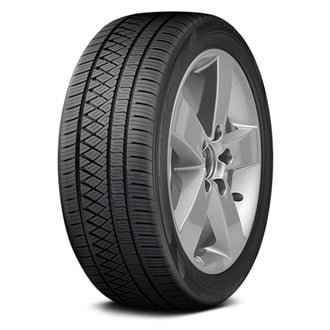
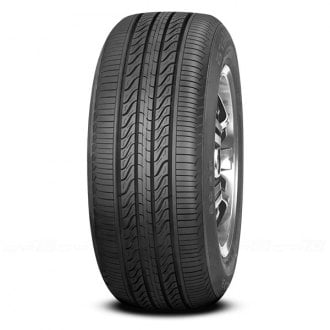

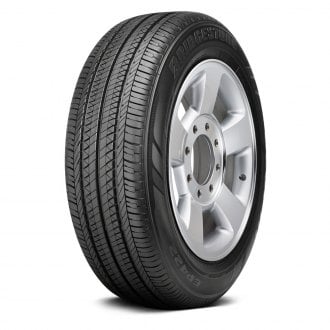
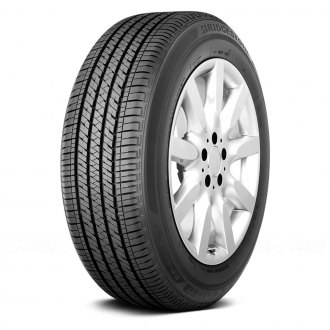
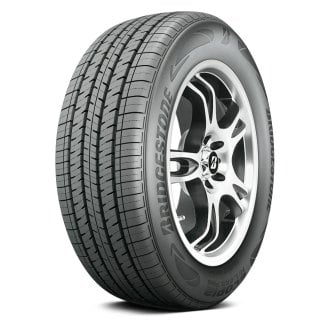

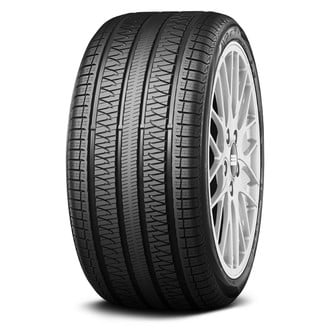
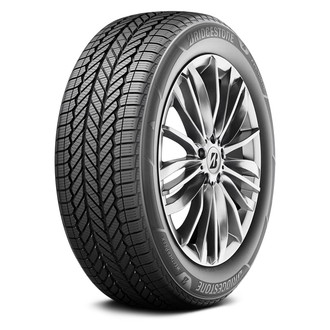
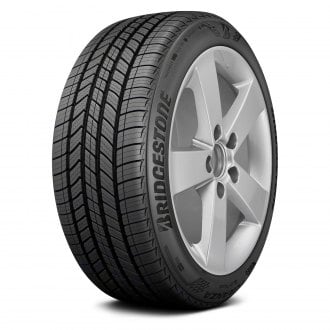
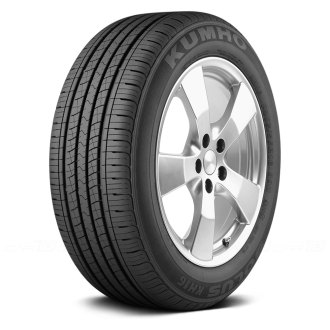

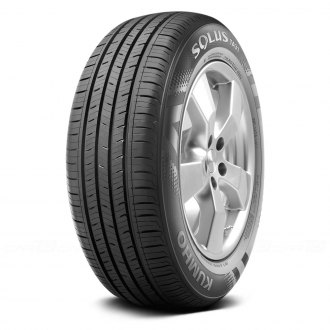




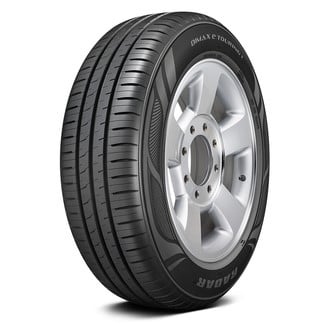
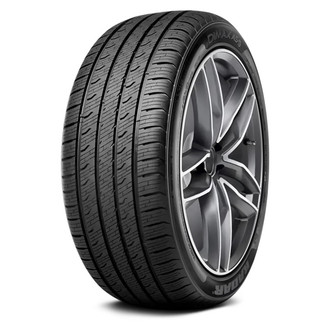
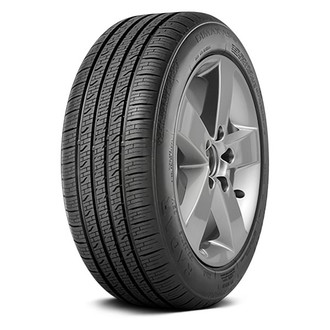
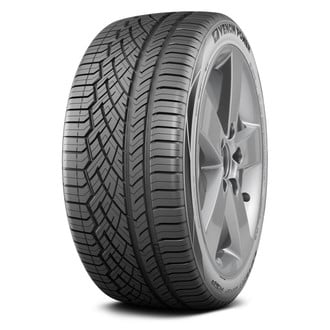
Compact and agile, the 2009 Honda Civic is nice to drive, yet it consumes little gas. It rides rather quietly and smoothly, which is the merit of many systems and parts, and tires belong to them. Providing the connection between your auto and the road, they have a great influence on the way it behaves. To avoid an increased stopping distance, affected stability at speed, skid on the wet road, and other dangerous moments, keep an eye on your rubber and replace it timely when it's worn out or damaged. In our online store, you can find various types of 2009 Honda Civic tires designed for different weather and road conditions.
If you often drive in snow and on ice-covered pavement, winter / snow tires featuring large tread blocks and special tread patterns will be the right choice. What’s more, the rubber compound they are made from remains soft in a hard frost, which allows them to retain their characteristics in low temperatures. However, in a warm season, such rubber may become too soft and wear out faster than its summer counterpart, so it's advisable to replace winter tires with the summer ones when spring rolls over. For a mild climate, all-season rubber can be a more reasonable choice, as it combines certain features of both types.