2002 Ford Ranger Tires
-
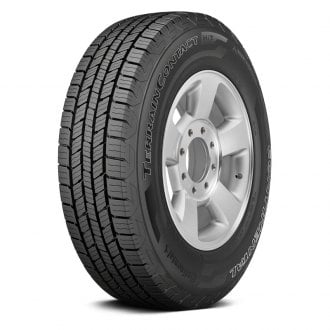 CONTINENTAL TIRES® - TERRAINCONTACT H/T WITH OUTLINED WHITE LETTERING$228.99 - $283.99
 -
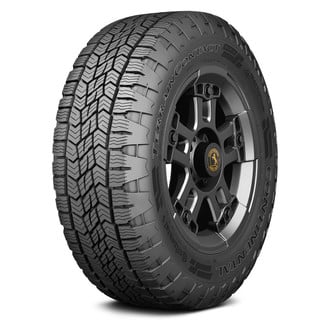 CONTINENTAL TIRES® - TERRAINCONTACT A/T 2$230.99 - $400.99
 -
 CONTINENTAL TIRES® - TERRAINCONTACT A/T WITH OUTLINED WHITE LETTERING$230.99 - $326.99
 -
 CONTINENTAL TIRES® - CROSSCONTACT LX20$247.34 - $248.10
 -
- CONTINENTAL TIRES® - CONTISPORTCONTACT 6$372.80 - $400.62
-
-
- FALKEN® - ZIEX ZE001 A/S$210.15
- FALKEN® - WILDPEAK A/T3WA$289.54
- FALKEN® - WILDPEAK M/T$294.00 - $470.00
- MICHELIN TIRES® - X-ICE SNOW$207.83
- HANKOOK® - WINTER I PIKE X$124.97 - $172.93
- HANKOOK® - WINTER I PIKE X STUDDED$164.90 - $248.72
- HANKOOK® - KINERGY 4S2 X H750A$190.88
- HANKOOK® - VENTUS S1 A/S H125$206.99 - $302.99
- HANKOOK® - WINTER I PIKE RW11 STUDDED$208.70 - $251.35
-
-
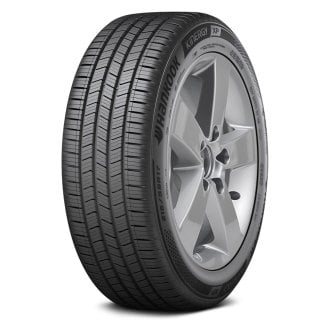
- HANKOOK® - KINERGY XP$280.99
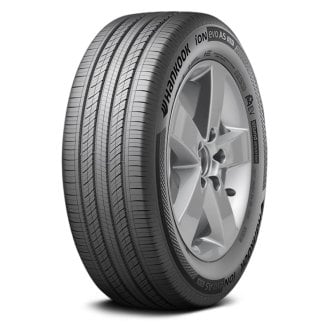
- HANKOOK® - ION EVO AS IH01$340.99
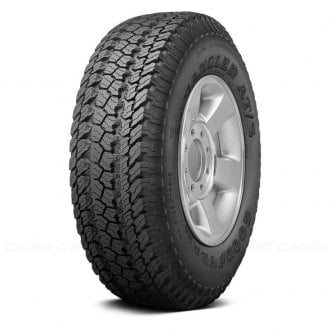
- GOODYEAR TIRES® - WRANGLER AT/S$194.40
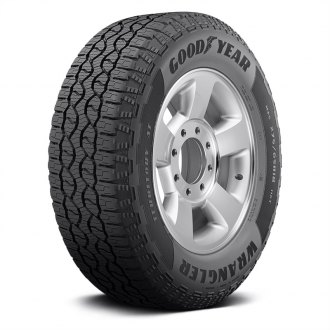
- GOODYEAR TIRES® - WRANGLER TERRITORY AT$201.49 - $230.99
-
- GOODYEAR TIRES® - WRANGLER WORKHORSE HT$215.99 - $361.99
- GOODYEAR TIRES® - WRANGLER FORTITUDE HT$220.99 - $248.99
- GOODYEAR TIRES® - WRANGLER DURATRAC RT$239.99 - $449.99
-
- GOODYEAR TIRES® - WRANGLER STEADFAST HT$244.01 - $275.99
-

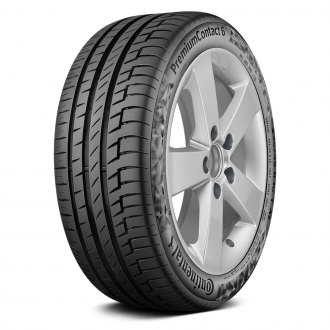
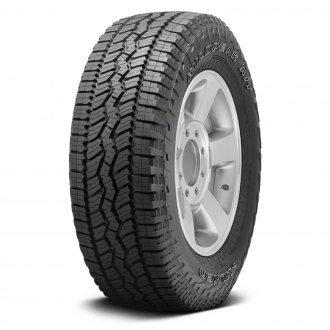
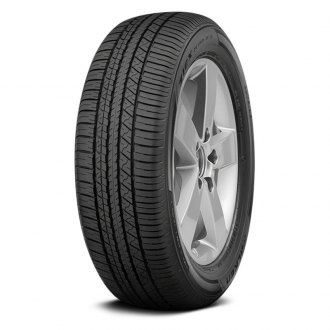
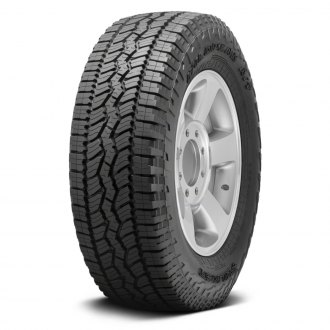
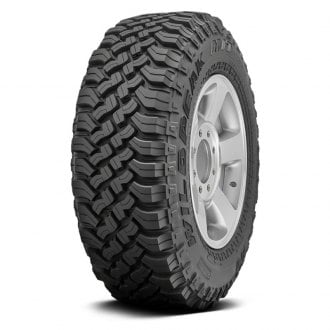
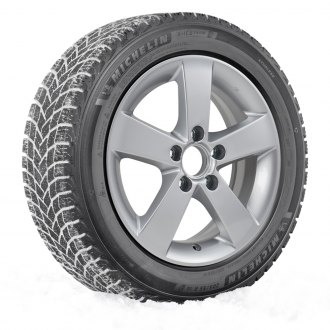
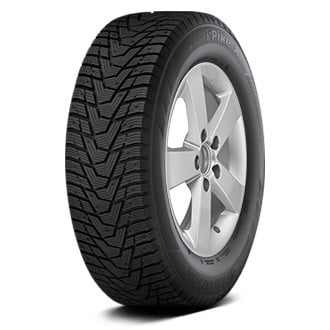
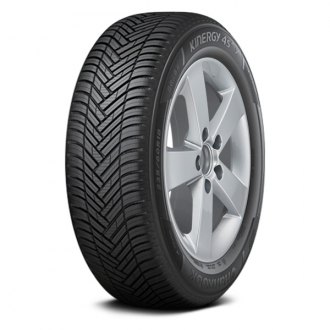
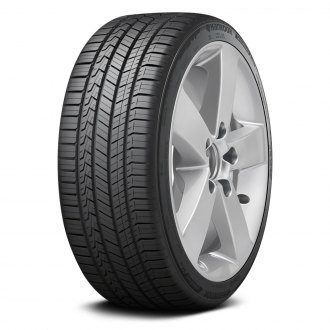
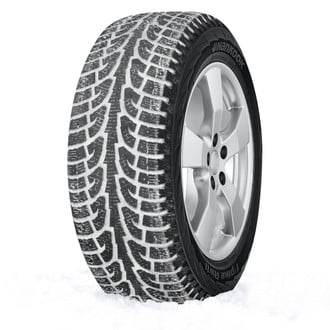
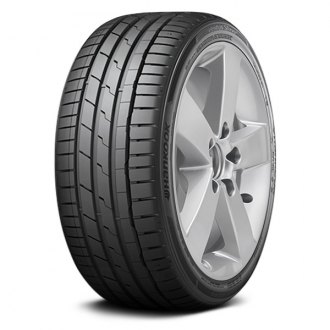
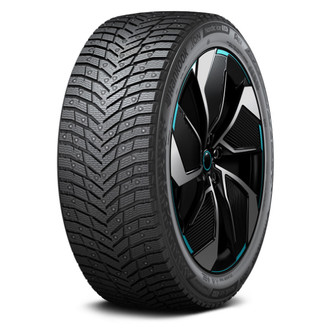

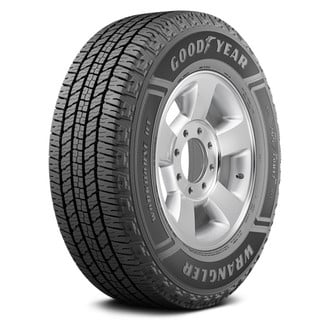
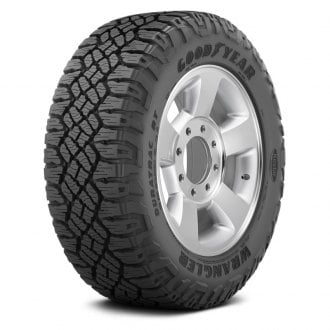
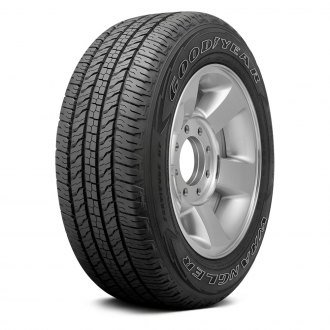
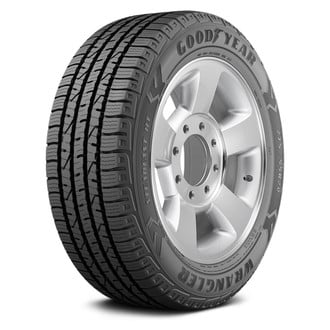
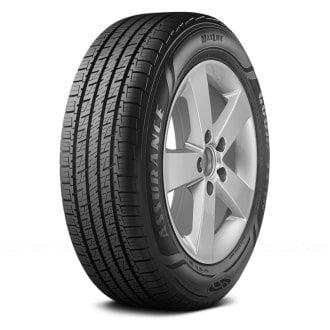
Your Ford Ranger was created for various activities including hauling cargo, towing, off-roading, etc. However, its tires have to always be in good working condition, especially if high performance is a priority. Our online store carries a large assortment of 2002 Ford Ranger tires. If you're going to drive along distant desert canyons or cross over snow-clad ravines, it's better to choose all-terrain rubber which comes with strong sidewalls and aggressive tread blocks to ensure maximum traction on the harshest terrain. If you mainly drive on the paved roads and highways, you can select from seasonal, all-season, or more specific options aimed at higher speed, longer service life, lower noise level, and other benefits.
When it comes to all-season rubber, it often becomes a favorite choice of those who own a pickup or SUV and don't have to deal with deep snowbanks in the winter. In their turn, winter tires are produced from softer rubber in order to remain pliable at colder temperatures. Their tread patterns are specially created to drive in sleet, snow, etc. Summer models perfectly work in warmer climatic conditions, at temperatures over 45°F, on both wet and dry paved roads.