2000 Dodge Dakota Tires
-
 NOKIAN® - REMEDY WRG5$238.25 - $281.21
 -
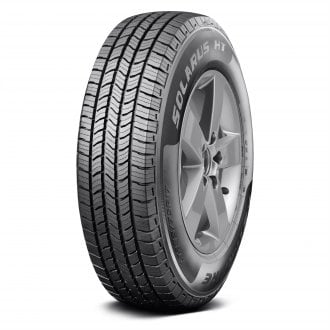 STARFIRE® - SOLARUS HT$112.44
 -
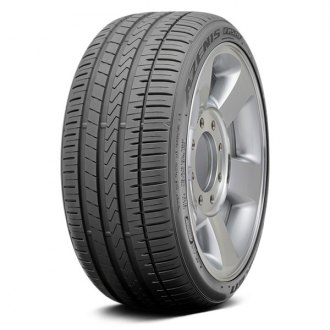 FALKEN® - AZENIS FK510 SUV$248.00 - $294.00
 -

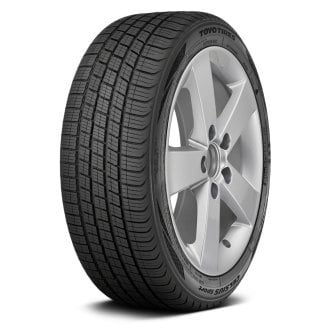
- TOYO TIRES® - OPEN COUNTRY Q/T$172.77 - $241.87
- TOYO TIRES® - CELSIUS SPORT$357.12
-
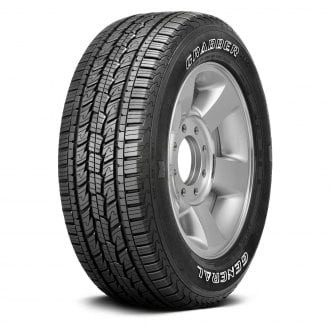
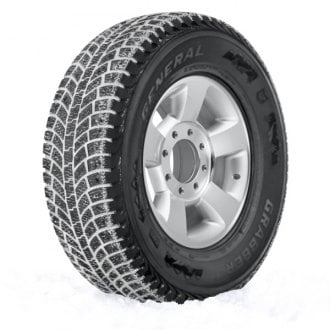
- GENERAL® - GRABBER ARCTIC$221.63
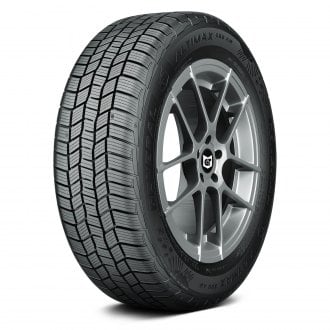
- GENERAL® - ALTIMAX 365AW$250.99
-
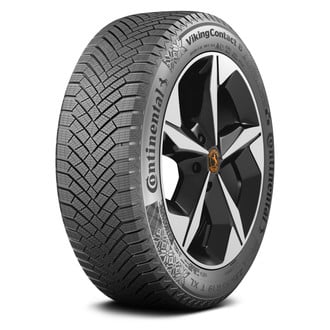
- CONTINENTAL TIRES® - VIKINGCONTACT 8$247.99 - $316.99
-
-
-
-
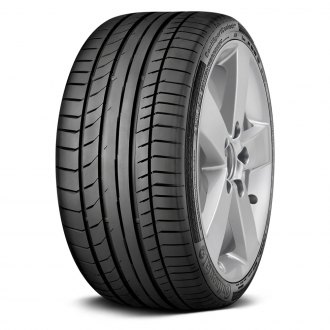
- CONTINENTAL TIRES® - CONTISPORTCONTACT 6$434.56 - $508.17
-
-
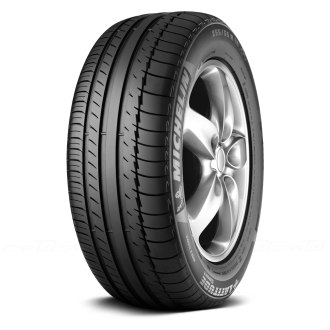
- MICHELIN TIRES® - LATITUDE SPORT$498.99
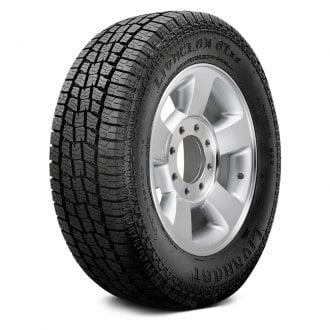
- LIONHART® - LION CLAW ATX2$94.74 - $135.65
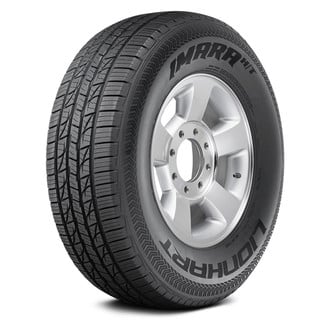
- LIONHART® - IMARA H/T$102.85
-
-
-
-
-
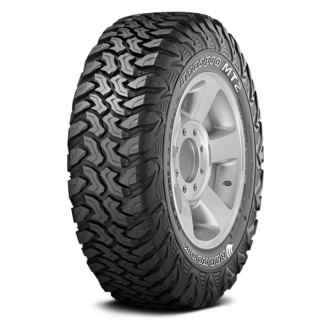
- HANKOOK® - DYNAPRO MT2 RT05$210.99 - $230.99
- HANKOOK® - DYNAPRO MT2 RT05 WITH OUTLINED WHITE LETTERING$210.99 - $230.99Mail-in RebateGet $80 prepaid card back - Details
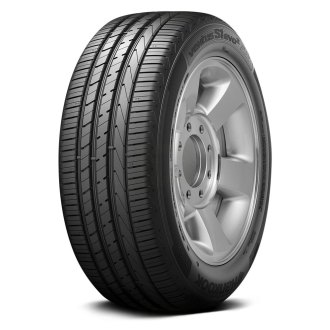
- HANKOOK® - VENTUS S1 EVO2 SUV K117A$213.34 - $305.82
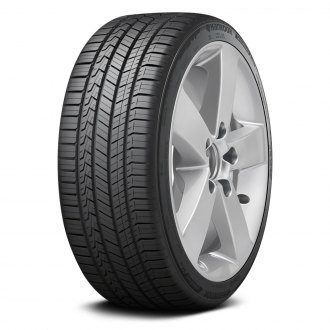
- HANKOOK® - VENTUS S1 A/S H125$305.99 - $328.99
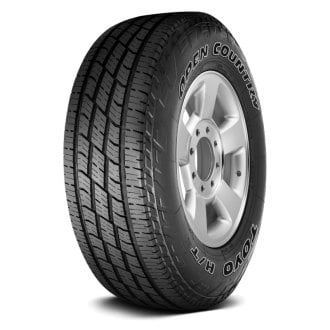
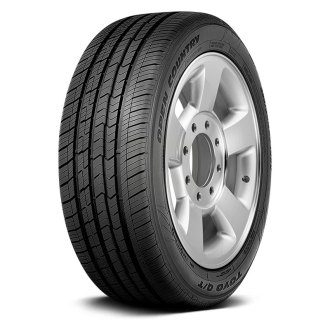
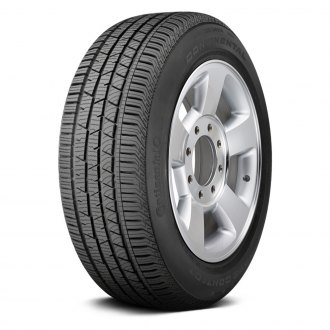
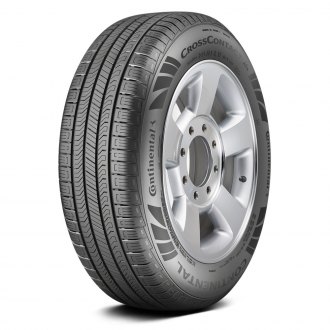

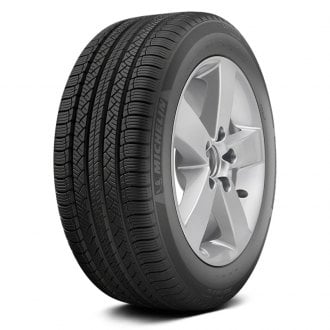
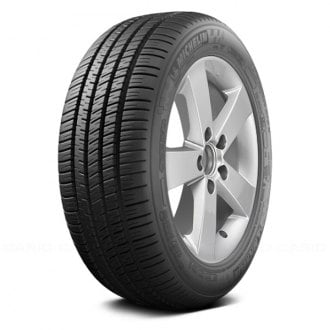

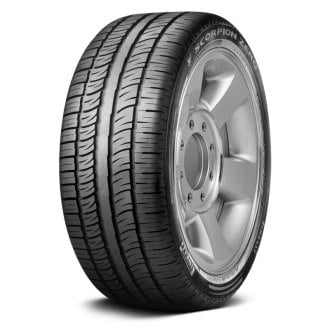
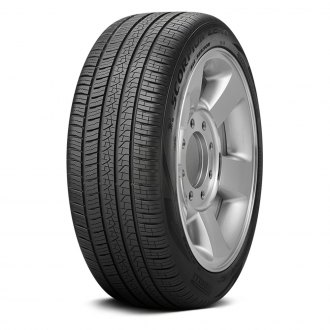
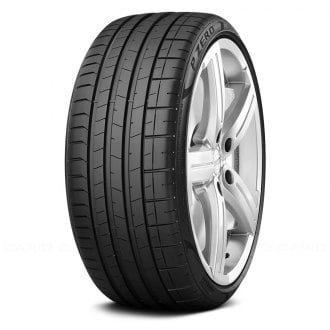
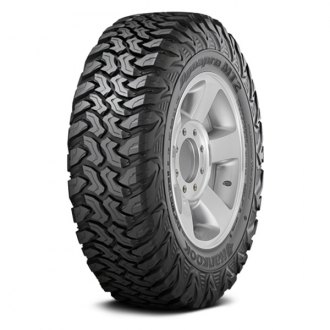
Whether it’s towing a camper trailer to your favorite recreation spot, transporting tools and hardware, or just hauling passengers around town on a daily basis, your Dodge Dakota can do it all. Besides, if you enjoy off-roading, you can always take your pickup truck out for some fun. However, regardless of the case, you will still need a proper set of tires in order to maximize your vehicle’s performance. You may want to drive out along snowy forest passages or to venture out camping near some lake, with proper tires with good tread being a requirement for a secure grip.
2000 Dodge Dakota tires that we carry are supplied by Pro Comp, Maxxis, Falken, General, Yokohama, and many more brands that drivers know and trust. Whether you are looking for a smooth-riding, quiet-running tire for city and highway use, or you need tough, aggressive rubber to keep you going on the roads less traveled, we can accommodate you. We have the right set of all-seasons that provide decent dry and wet traction. For the harsher wintry weather and slippery roads, we have winter/snow tires available. They are made from softer rubber, so as to remain flexible in colder temperatures, while taking on snow, sleet, ice, etc. Summer units will work in hotter climates, with harder rubber softening up to provide the required traction in temps above 45°F.