Vapor Canisters & Parts
Browse by Vehicle
Select Department
-
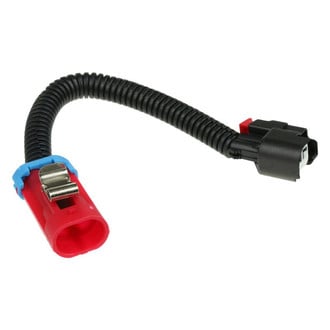
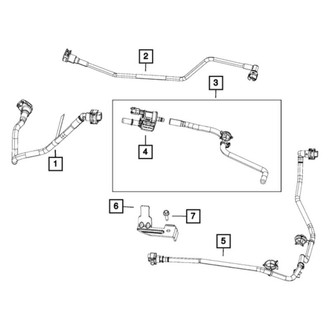 Save 17%Mopar® - Vapor Canister Purge Solenoid Harness$34.95 - $58.99$41.99 - $70.74Save 17%
 -
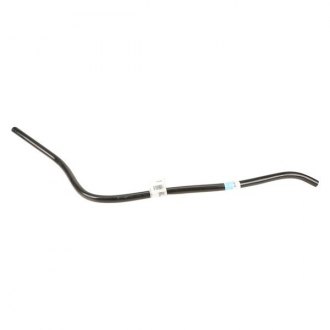
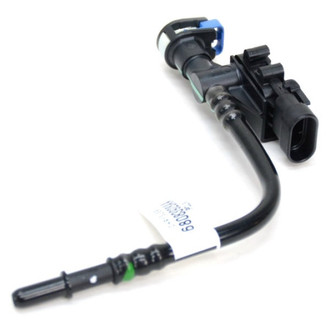 Save up to 28%Mopar® - Vapor Canister Purge Valve Hose$21.71 - $334.75$27.80 - $463.08Save up to 28%
 -
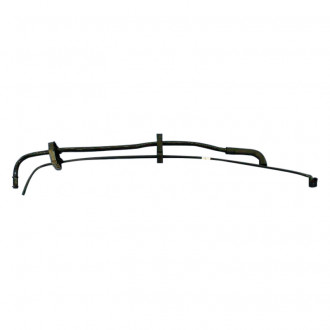 Save up to 23%Mopar® - Vapor Canister Purge Valve Wiring Harness$32.42 - $303.90$66.10 - $394.32Save up to 23%
 -
 Save 17%Mopar® - Vapor Canister Seal$3.99$4.79Save 17%
 - Genuine® - Evaporative Emissions System Leak Detection Pump Filter$55.53 - $168.09
- Genuine® - Vapor Canister Bracket Bolt$0.71 - $1.17
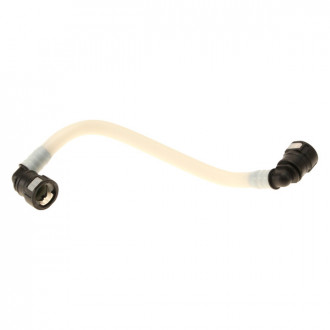
- Genuine® - Vapor Canister Hose$67.64 - $202.85
- Genuine® - Vapor Canister Shut-Off Valve Hose$45.29 - $169.16 + Save up to $4.40 with iD FastTrack
- Genuine® - Vapor Canister Vent Hose$56.87 - $155.42
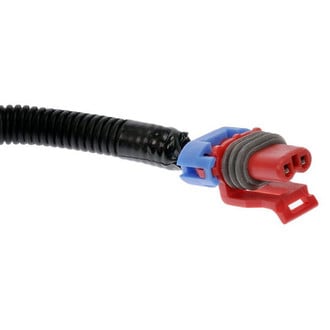
- Dorman® - TECHoice™ Vapor Canister Vent Solenoid Connector$32.60 + Save an extra $1.40 with iD FastTrack
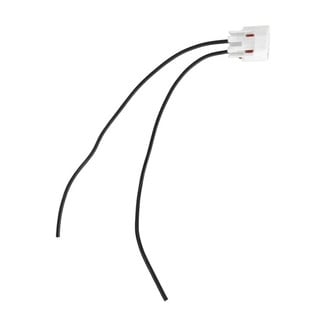
- SKP® - Vapor Canister Purge Solenoid Connector$18.29 + Save an extra $1.10 with iD FastTrack
- Motorcraft® - Vapor Canister Purge Solenoid Connector$22.37 - $75.57 + Save up to $4.00 with iD FastTrack
- Motorcraft® - Vapor Canister Vent Solenoid Connector$33.09 - $111.25 + Save up to $3.00 with iD FastTrack
-
- WVE® - Vapor Canister Purge Solenoid Connector$16.84 - $73.61
- WVE® - Vapor Canister Vent Solenoid Connector$11.00 - $38.29
- URO Parts® - Evaporative Emissions System Leak Detection Pump$8.14 - $298.66
- URO Parts® - Evaporative Emissions System Lines$86.06 - $88.22
- URO Parts® - Vapor Canister Hose$19.93 - $38.08
- URO Parts® - Vapor Canister Purge Valve Hose$8.09 - $94.32
- Original Equipment® - Leak Detection Pump Filter$51.68 - $58.32
-
- The Right Stuff® - Vapor Canister Tubes$22.95 - $182.95
-
- Save 11%Mopar® - Vapor Canister Nut$1.28 - $2.45$1.44 - $2.75Save 11%
- iD Select® - Vapor Canister$80.78 - $312.96 + Free Shipping with iD FastTrack
- Autotecnica® - Vapor Canister$87.67 - $235.74
- Vaico® - Vapor Canister$180.37 - $243.08
- Vemo® - Vapor Canister$125.50 - $449.93
-

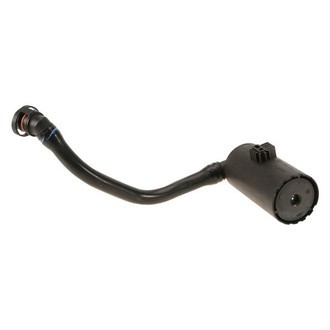
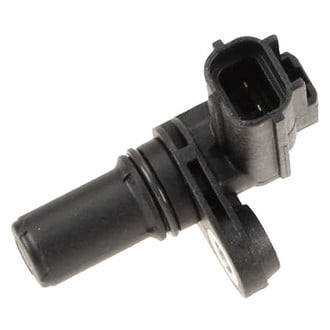
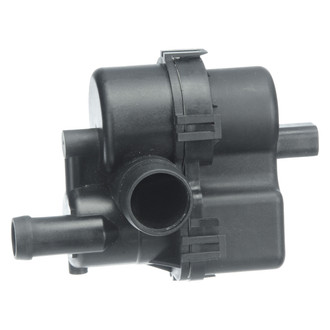

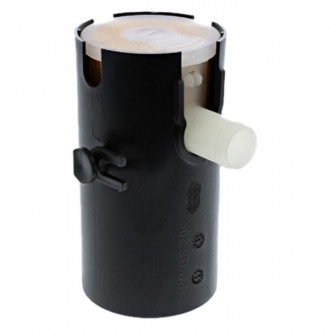

The evaporative emissions control system (EVAP) prevents Hydrocarbon (HC) emissions from being released from the vehicle fuel system and polluting the atmosphere. Although components will vary according to model year, all systems include a carbon canister, where fuel vapors are stored, and a purge valve that regulates the flow of vapors into the engine, where they become part of the air/fuel mixture that is burned in the combustion chambers.
Before the early 1970s, all vehicles had vented fuel tank caps and vented carburetor float bowls, which allowed vaporized fuel to escape to the atmosphere. Since fuel vapors contain HC, which was proven to be a major cause of smog, the EVAP system was developed to capture these fuel vapors and route them to the engine. Pressure/vacuum relief fuel caps replaced vented caps. These caps allow pressure to equalize in the tank to prevent the tank from collapsing without releasing fuel vapors, and also prevent the tank from rupturing caused by excessive internal pressure.
The carbon canister, also called the charcoal canister, contains activated charcoal, which has microscopic pores that increase the surface area, enabling it to adsorb (hold on the surface) a large amount of fuel vapors. The canister is located in the engine compartment or next to the fuel tank and connected to the tank, and carburetor on vehicles so equipped. Its purpose is to store fuel vapors. When the engine is running and the purge valve is open, air is drawn by vacuum into the canister, where it mixes with the fuel vapors and flows into the engine. Some canisters are equipped with a replaceable filter which must be periodically replaced, or replaced if it becomes saturated.
Modern OBD II vehicles have enhanced EVAP systems with components added for diagnostic purposes, to detect possible leaks in the system that could allow the escape of pollutants. These include a canister vent solenoid and fuel tank pressure sensor. To test the system, the Engine Control Module (ECM) closes the vent solenoid and opens the purge valve. The fuel tank pressure sensor will then indicate a vacuum if there are no leaks. If vacuum does not reach a specified level during two consecutive tests under similar conditions, a diagnostic trouble code will be set and the CHECK ENGINE light will illuminate. However, very often this failure can be caused by something that is very easily repaired – a fuel cap that was not tightened sufficiently after refueling.