Steering Columns & Shafts
Browse by Vehicle
Select Department
-
-
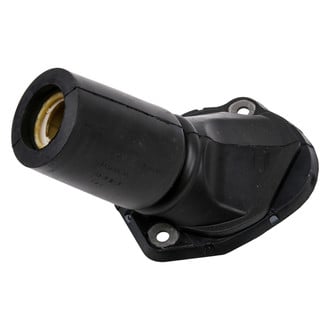 ACDelco® - Genuine GM Parts™ Steering Column Shaft Seal$57.52 + Save an extra $2.90 with iD FastTrack
 -
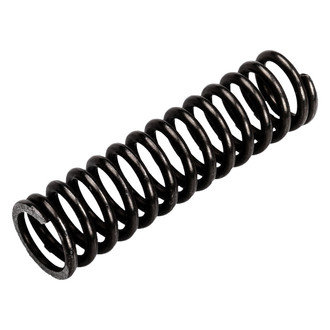 ACDelco® - Genuine GM Parts™ Steering Column Spring$10.28 - $12.36
 -
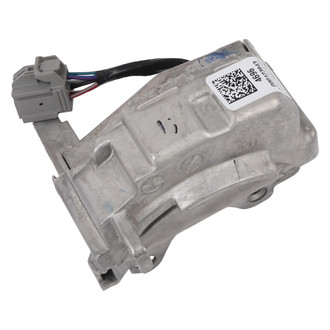
 ACDelco® - Genuine GM Parts™ Steering Column Switch Housing$12.76 - $43.14
 - ACDelco® - Genuine GM Parts™ Steering Column Wiring Harness$129.05 - $168.79 + Free Shipping with iD FastTrack
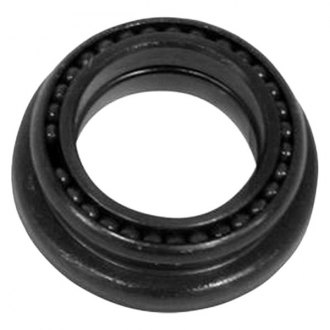
- ACDelco® - Genuine GM Parts™ Steering Shaft Bearing$39.63 - $60.16 + Save up to $3.00 with iD FastTrack
- ACDelco® - Genuine GM Parts™ Steering Wheel Lock Pin$29.69 + Save an extra $1.40 with iD FastTrack
- Genuine® - Steering Column Bearing$27.26 + Save up to $1.00 with iD FastTrack
- Genuine® - Steering Column Bolt$4.45 - $6.59
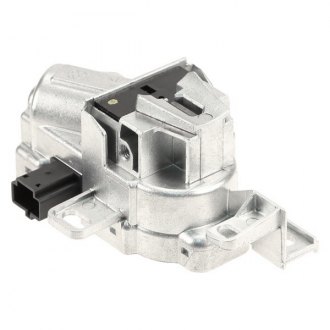
- Genuine® - Steering Column Lock$40.33 - $1,266.95
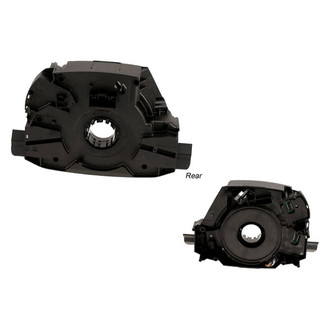
- Genuine® - Steering Column Switch Housing$765.92 - $872.98 + Free Shipping with iD FastTrack
- Genuine® - Steering Shaft Bolt$4.10 - $4.73
- Genuine® - Steering Shear Bolt$3.48 - $35.34 + Save up to $1.80 with iD FastTrack
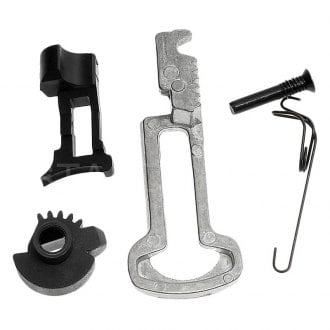
- Standard® - Steering Column Housing Repair Kit$38.10 + Save an extra $2.00 with iD FastTrack
- Crown® - Steering Column Bearing$24.46 - $45.96
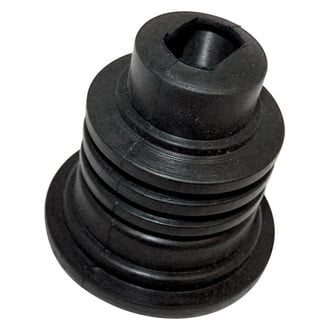
- Crown® - Steering Shaft Boot$11.30 - $16.94
-
-
-
- Dynacorn® - Steering Column Plate$56.42 - $60.35
- Goodmark® - Steering Column Seal$8.30 - $15.64
-
-
- Vaico® - Steering Coupling Boot$26.13 - $31.57
- ACDelco® - GM Original Equipment™ Steering Column$191.09 - $981.91 + Free Shipping with iD FastTrack
- Save 21%Mopar® - Steering Column Shaft Bearing$65.05$82.56Save 21%
- Save 21%Mopar® - Steering Coupling Boot$38.10$48.40Save 21%
-
-
-
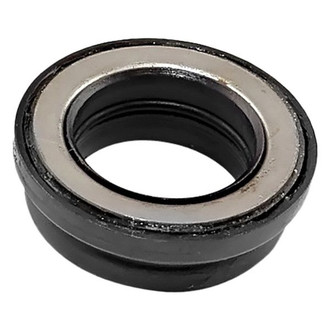
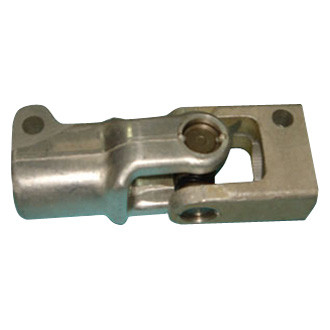
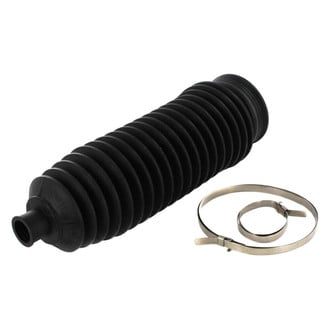

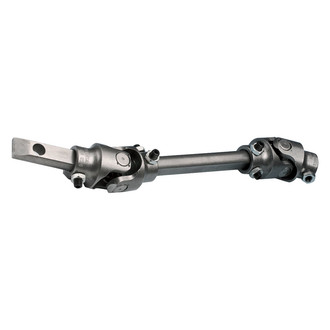
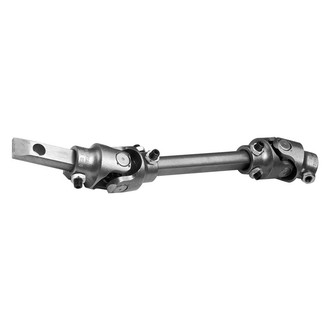
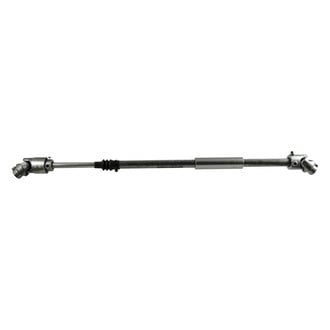
Steering columns have come a long way from the early days of the automobile. Early columns were unsophisticated and little more than shafts to connect the steering wheel to the steering box, although many vehicles featured the first steering column-mounted controls in the form of levers for throttle and spark advance. The button that activates the horn was the first addition to the basic steering column, mounted to the side of the column on some early cars before becoming universally positioned on the steering wheel. In the 1930s and 40s column-mounted manual and automatic transmission shift levers and turn signal switches appeared.
Vehicles were made safer and more secure in the 1960s with collapsible steering columns that would not impale the driver in a collision, and ignition switch/lock assemblies that helped prevent theft, followed by supplemental restraint system air bags in the 1990s. Lights and wiper controls migrated to the steering column where they’re easier to access, followed by more controls, in particular on the steering wheel, including cruise control, audio controls, Bluetooth activated smartphone calls, and even dash display controls, all in an effort to put features right in front of drivers so they can keep their eyes on the road. Tilt and telescoping mechanisms, some that are power operated with a memory function, position the column and steering wheel where they are most comfortable for the driver.
Modern sophistication notwithstanding, the basic function of the steering column and steering wheel is to enable the driver to control the direction of the vehicle. The steering column is attached to the vehicle firewall and dash panel with brackets, and the steering wheel is splined to the column shaft and secured in place with a nut. Because of vehicle design, and the location of the engine and other engine compartment components, there is seldom a straight line between the end of the steering column and the steering box or steering rack & pinion assembly. Therefore, an intermediate shaft with universal joints is used to connect the column to the steering gear and on some vehicles a flexible coupler is used between the shaft and steering gear.
Symptoms of a worn or failed steering column include noise, loose, rough or hard steering feel, and system malfunctions. If the steering column can be moved up and down and/or side-to-side the column shaft bearings could be worn, or the column mounts could be loose or broken. There could also be looseness in the tilt and telescoping column mechanism. Problems in the tilt and telescoping mechanism can also be indicated by the column or wheel not moving to the desired position or failing to lock in place. If there is excessive play in the steering wheel when it is rotated back and forth with the vehicle at rest, the steering column U-joints and/or coupling could be worn. When the steering wheel is turned through it’s range of motion with the engine running and power steering operating and grinding or clunking noise is heard and/or hard or rough steering and poor steering return is experienced, it may be caused by binding in the column bearings or U-joints.
No matter what your repair or upgrade needs are or what you’re working on, we have the steering columns, shaft assemblies and related components to restore safe, predictable, and easy steering column operation. Our steering column components are manufactured to original equipment specifications. In addition to the major steering column and shaft assemblies we also offer U-joints, couplings, slip joints, bearings, bushings, seals, column locks and lock actuators, tilt and telescoping column parts, shift mechanisms, and comprehensive repair kits that include all parts that are commonly replaced in the area being serviced.
Browse by Part Name
Featured Brands












Related Categories
- Steering Arms, Links
- Steering Tie Rod Ends
- Steering Rack & Pinion
- Power Steering Pumps
- Power Steering Lines
- Steering Boxes
- Steering Knuckles, Spindles
- Dampers & Stabilizers
- Steering Rack Boots & Bellows
- Power Steering Reservoirs
- Power Steering Cooling
- Steering Valves, Relays & Sensors
- Power Steering Cylinders
- Hydraulic Steering Assist Systems
- Power Steering Fluid
- Bearing Lubricants