Racing Fuses
-
-
-
-

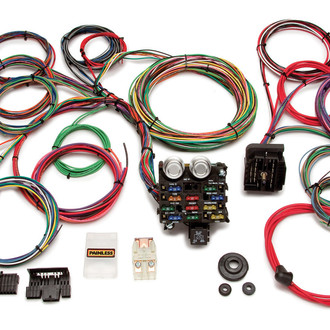
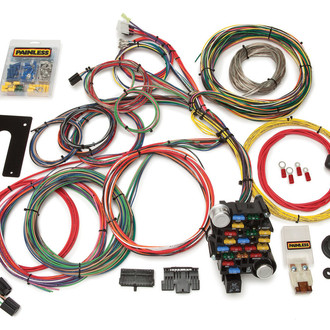
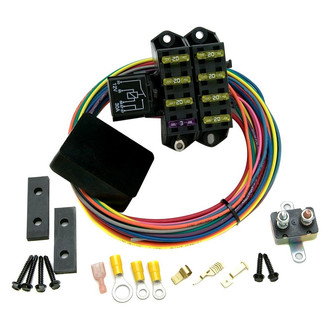
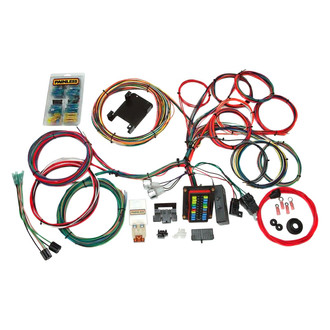
- Painless Performance® - Classic Customizable Chassis Harness$310.12 - $350.67
- Painless Performance® - Classic Customizable Chassis Harness$342.11 - $350.67
-
-
-
-
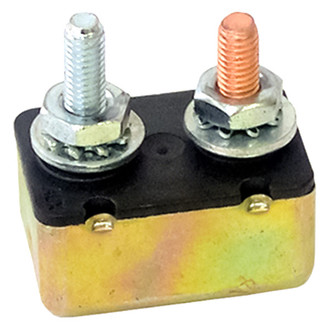
- Tectran® - Circuit Breaker$4.40 - $52.06
- Tectran® - Circuit Breaker$4.40 - $52.06
-
-
-
-
-
-
-
-
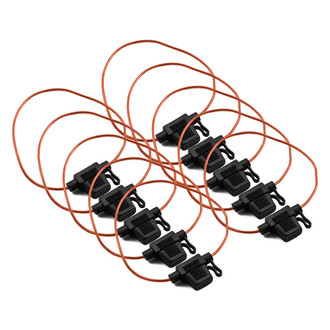
- Install Bay® - 10 pc ATM Water Resistant 18 GA Fuse Holder with Cap (ATFH18MC-10)$30.50 + Free Shipping with iD FastTrack
-
-
-
-
-
-
-
-
-

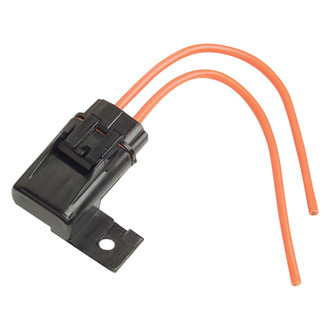
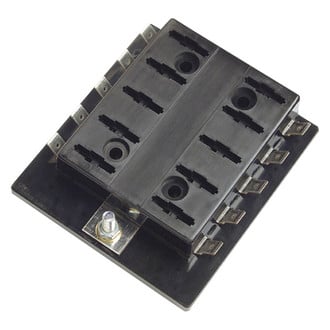
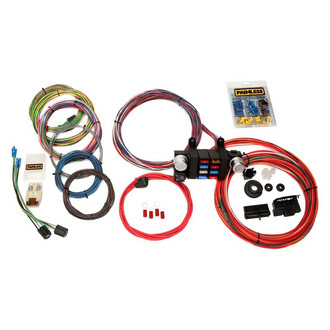
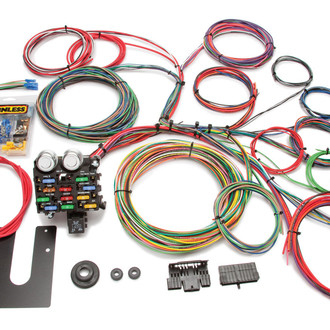
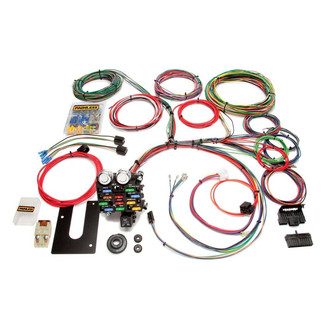
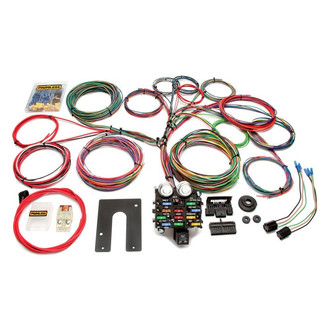
The majority of race vehicles have a unique combination of pricey electrical equipment and electronic devices. Beyond a doubt, your race car is no exception, so the last thing you want to find out is that one of your expensive investments failed due to a short circuit or high voltage spike. To prevent this from happening, every electrical circuit in your vehicle must feature a small and simple safety device called a fuse. It will protect your wiring and electrical equipment by breaking the circuit once the current that flows through the fuse exceeds the level it’s designed to handle.
Regardless of a fuse’s size or design, it works the same way. Its operation is based on the principle that all metals get hot when electricity travel though them, and can melt if their temperature reaches a specific degree. The higher current flows through a metal wire, the hotter it becomes and the faster it melts. Since every fuse is a thin piece of low-melt metal wire that is sized to carry a limited electrical current, it quickly gets hot and melts if a higher current goes through it, breaking the circuit. This ruins the fuse yet prevents the wiring and equipment from damage.
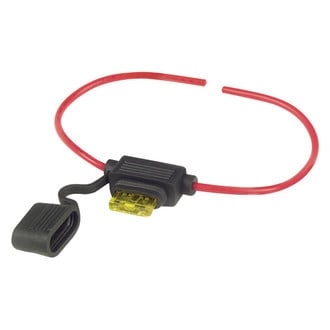
It’s going without saying that not all fuses are equal. Depending on the type of your equipment you may need fuses rated for different currents and of a different design, ranging from old-school glass tubes to blade type plug-in fuses. The latter ones are the most common type of fuses found in today’s vehicles, including race cars and hot rods. Blade fuses come in plenty of physical dimensions, such as micro (APT, ATL), mini(APM, ATM), regular(ATO), maxi(APX) and several others. Every fuse is marked with its rated current that may range from 0,5A to 100A and even 120A. This rating must not exceed the maximum safe current for the device or equipment in the electrical circuit.