Racing Brake Proportioning & Residual Pressure Valves
-
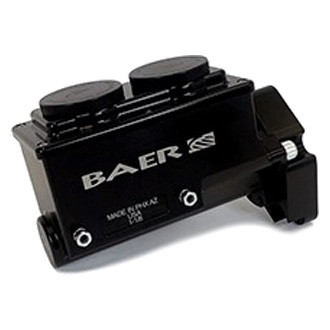 Baer® - Remaster™ Brake Master Cylinder$199.95 - $716.95
 -
-
-
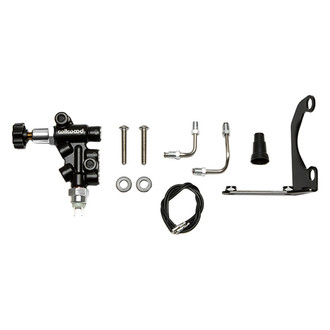
 Wilwood® - Direct Mount Combination Valve Kit$55.15 - $204.49
 -
-
-
-
-
-
-
-
-
-
-
-
-
-
-
-
-
-
-
-
-
-
-
-
-
-
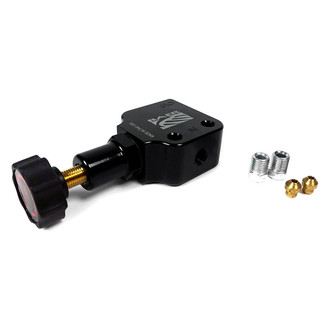
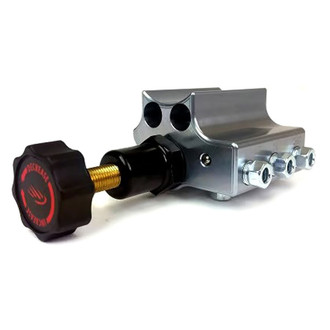
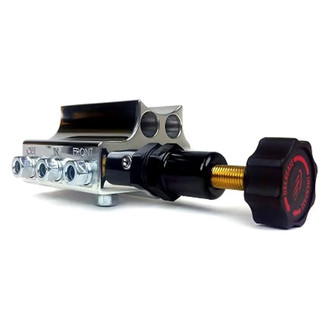
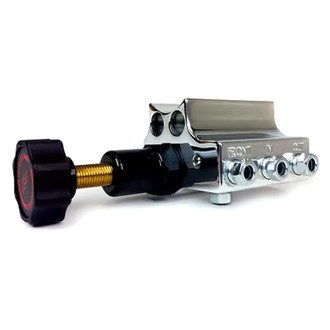
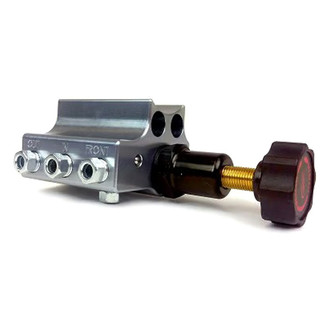
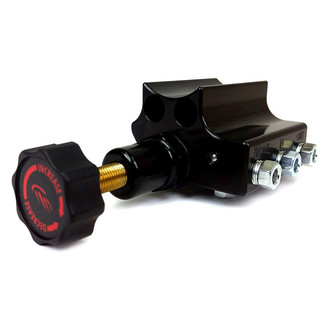
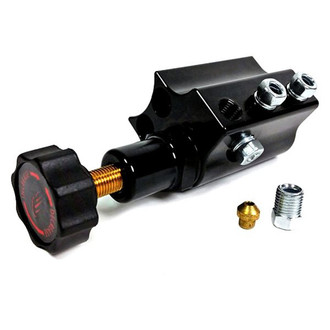
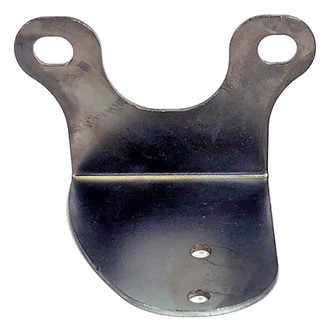
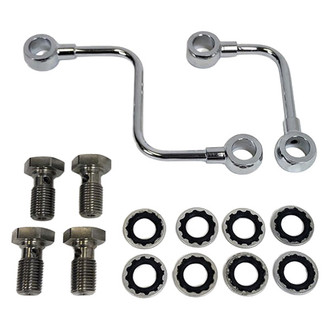
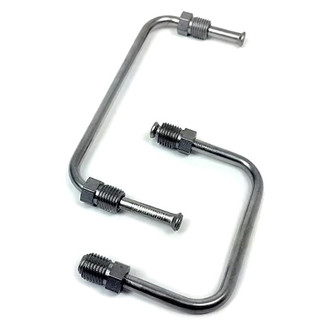
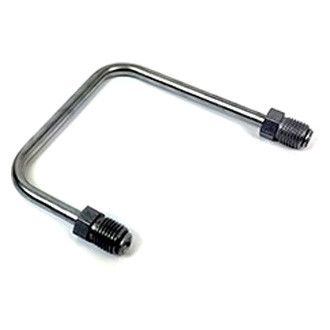
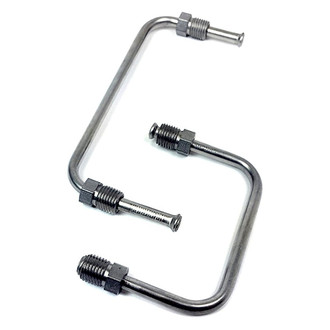
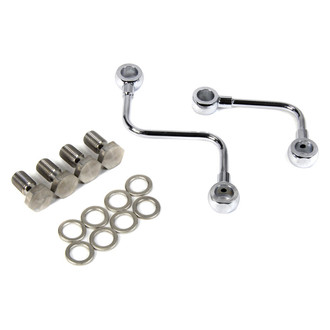
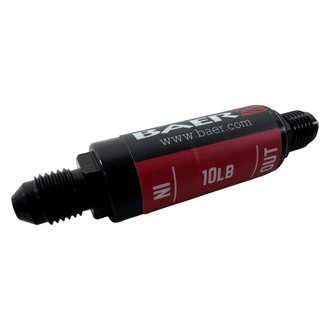

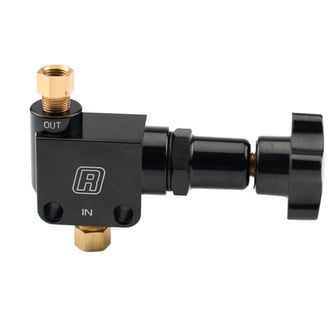
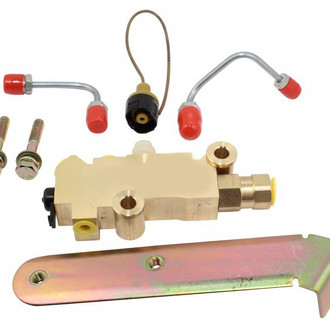
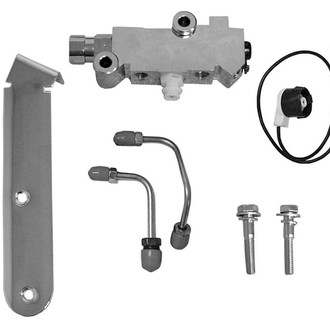
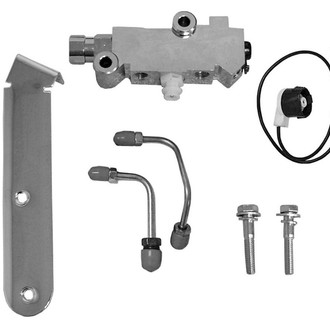
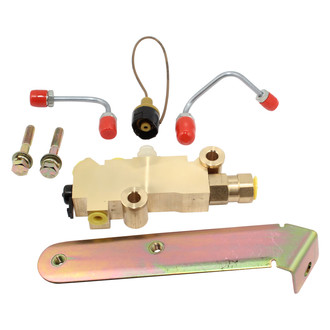
Whipping around the race track at full speed is exciting as long as it is safe. The braking system allows for not only slowing a vehicle to safely turn corners but also stopping it when needed. Besides, some driving techniques like drifting rely on that system, which means it must always be at its peak. First of all, the brakes of any vehicle have to be well balanced to provide maximum stopping power while reducing wheels lockup. There are several methods of balancing currently used by racers. The most common one is adjusting a proportioning valve. It allows for reducing pressure within the system by nearly 50% preventing wheels lockup during hard braking.
Secondly, brakes should be capable of providing reliable performance at any time you need to slow or stop your vehicle. Residual pressure valves help to eliminate the problems of a spongy pedal and its excessive travel by maintaining proper pressure in the system. Although these parts are most commonly used in drums, they can also be found in the disc brake configuration. This is because some of those systems feature the master cylinder located at or below the level of the calipers, and that causes fluid to flow back down into the reservoir(s). A residual valve prevents that fluid drainback, and therefore excessive brake drag for efficient stopping power.
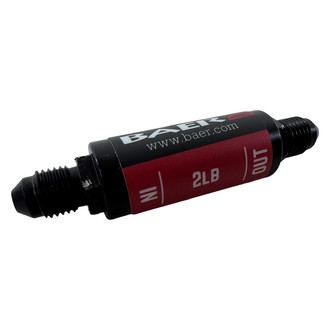
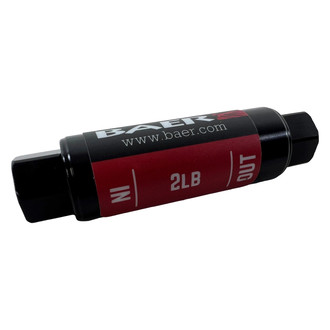
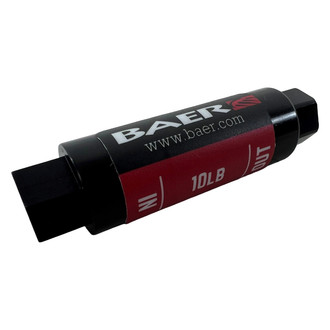
Typically, disc configurations feature 2 lb. residual valves, while drums require 10 lb. units that can hold pressure against the springs reducing the pedal travel and allowing the brakes to engage quickly. Whether it is a 2 or 10 lb. unit, it is most commonly made of billet aluminum that is strong enough to withstand extreme racing conditions. Besides, they are color coded for identification. Today, the industry offers a huge range of quality brake components, all built to ensure a precise fit and excellent performance so you will easily find the finest ones for your car.