Engine Sensors, Relays, Switches
Browse by Vehicle
Select Department
-
-
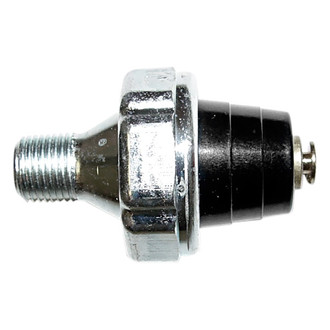
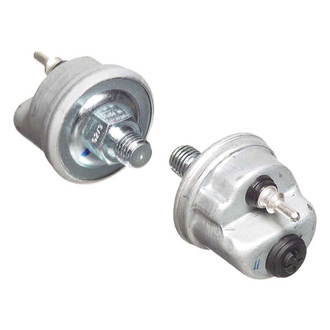
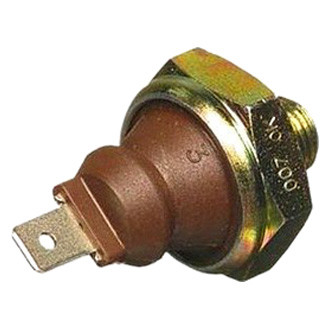 Meistersatz® - Oil Pressure Switch$12.72 - $15.53
 -
-
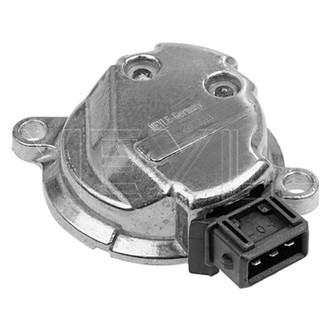
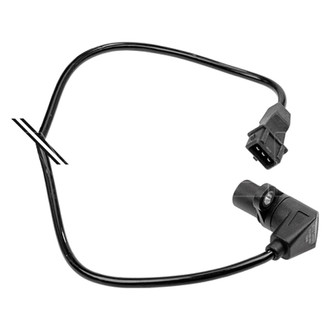
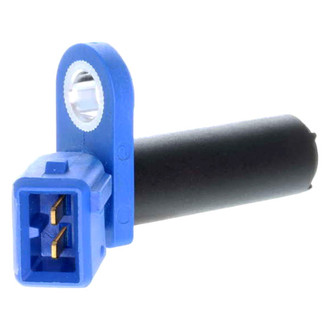
 Meyle® - Crankshaft Position Sensor$69.51 - $78.63
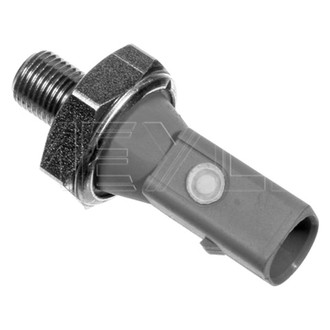
 - Meyle® - Oil Pressure Switch$11.24
-
- Omix-ADA® - Oil Pressure Sensor$41.20 - $121.04
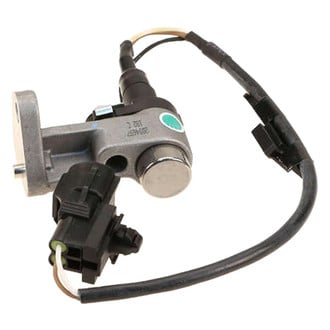
- Pex® - Camshaft Position Sensor$35.65 - $66.27
- Prenco® - Camshaft Position Sensor$11.16 - $88.21
- Prenco® - Crankshaft Position Sensor$9.36 - $86.45
- Sankei® - Oil Pressure Switch$10.89 - $130.36
- Santech® - Camshaft Position Sensor$42.80 - $46.07
-
-
- United Motor Products® - Engine Camshaft Position Sensor$16.74 - $47.73
- United Motor Products® - Engine Crankshaft Position Sensor$13.89 - $34.94
- United Motor Products® - Engine Oil Pressure Sensor$6.43 - $41.54
- VDO® - Camshaft Position Sensor$54.06 - $149.43
-
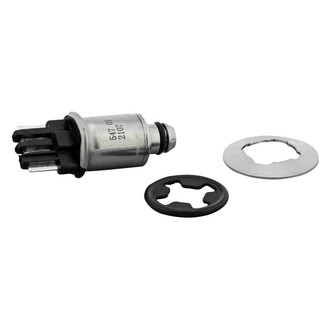
- VDO® - Oil Pressure Switch$161.64
-
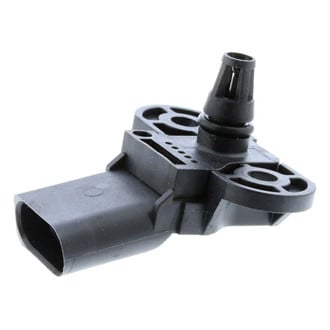
- Vemo® - Boost Pressure Sensor$32.98 - $101.09
- Vemo® - Camshaft Position Sensor$15.02 - $187.65
- Vemo® - Crankshaft Position Sensor$15.48 - $333.31
- Vemo® - Engine Management RPM sensor$45.92 - $74.53
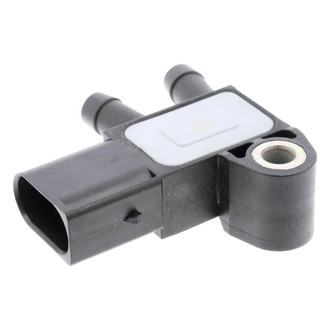
- Vemo® - Exhaust Pressure Sensor$44.66 - $179.11
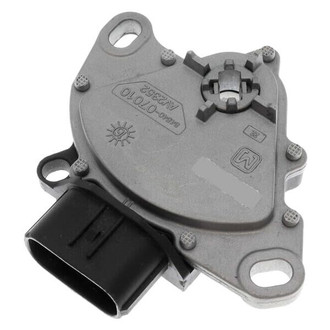
- Vemo® - Neutral Position Sensor$93.21 - $257.30
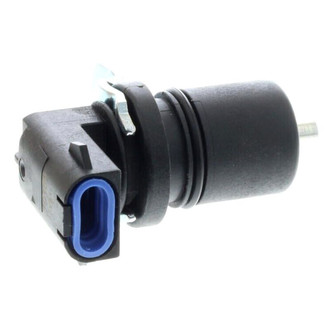
- Vemo® - Odometer Sensor$17.55 - $31.99
- Vemo® - Oil Pressure Regulating Valve$53.91 - $86.93
- Vemo® - Oil Pressure Sender$7.94 - $110.99
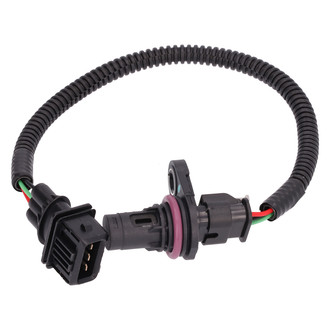
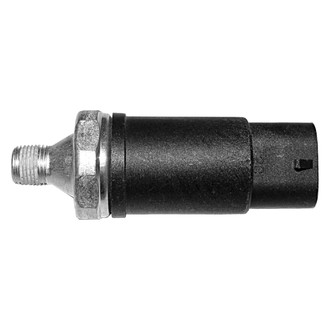
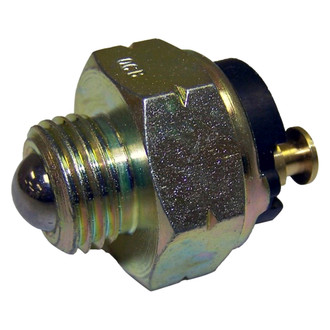
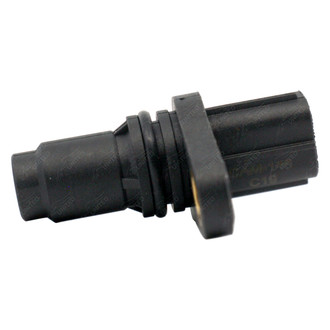
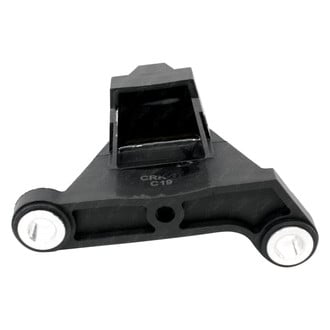
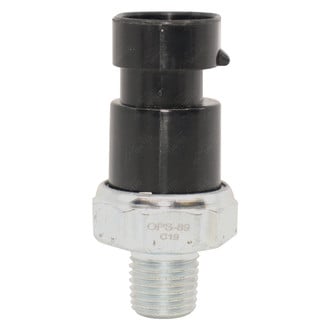
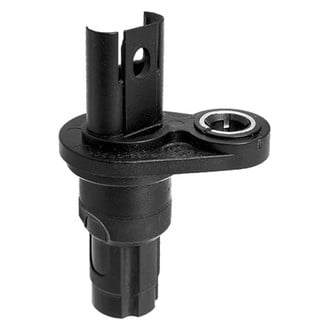
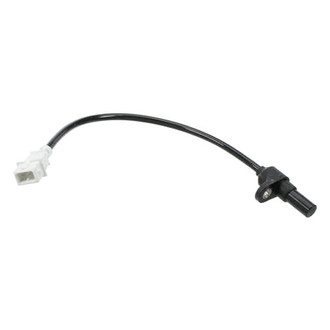
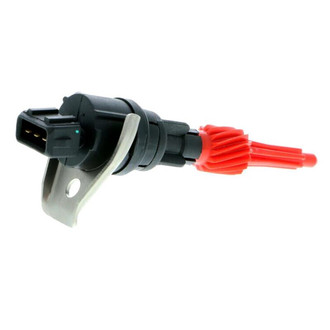
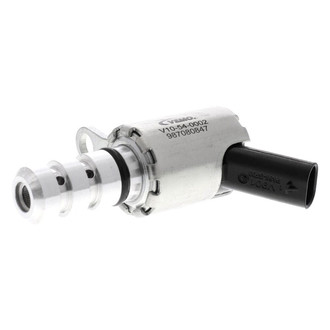
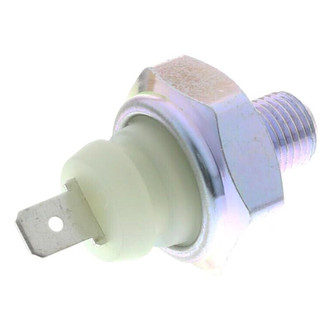
During vehicle operation, an assortment of sensors, senders, and switches sends voltage signals to an engine control system computer, called the Powertrain Control Module (PCM) or Engine Control Module (ECM). These voltage signals indicate engine load, vehicle speed, temperature, and other variables, and the computer uses the information to control the air/fuel mixture, ignition timing, emissions devices like the EGR valve, and dash indicators.
The oxygen (O2) sensor compares the oxygen content of the exhaust with the oxygen present in atmosphere and varies the voltage signal sent to the PCM/ECM accordingly. The computer uses the information to control fuel flow to maintain the air/fuel ratio for optimal performance, and lowest emissions. There are at least two O2 sensors, one located in the exhaust stream before the catalytic converter, and one afterward, also known as the catalyst monitor.
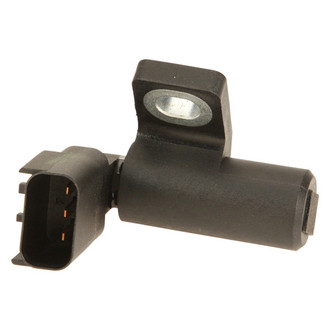
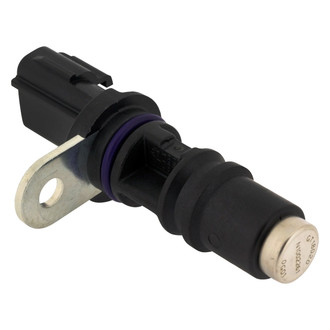
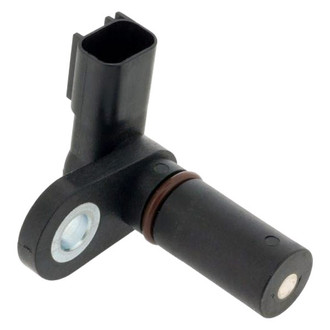
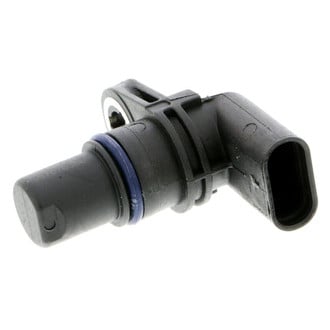
To know when to inject fuel and fire the spark plugs, the PCM/ECM needs to know the position of the valves in relation to the pistons and the rotational speed of the crankshaft. The Camshaft Position (CMP) sensor and Crankshaft Position (CKP) sensor provide these signals. Ignition timing is further controlled through the Knock Sensor (KS), which sends a voltage signal to the computer if vibration caused by detonation is detected, enabling the computer to retard spark advance and prevent engine damage.
The Throttle Position Sensor (TPS) signals the computer the position of the throttle shaft, indicating how fast you want to go. The PCM/ECM uses this information along with the Mass Air Flow (MAF) sensor signal, to calculate engine load, with increased load requiring more fuel. The Engine Coolant and Intake Air Temperature, supplied by the ECT and IAT sensors respectively, enable the computer to richen the mixture and increase spark advance when the engine is cold and then lean it out and retard timing as the engine warms up. Cooling fan operation and EGR valve opening also rely on temperature signals to the computer.
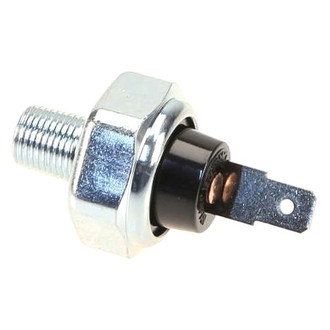
The Power Steering (PS) switch and A/C sensor signal the computer that there is increased load from power steering pump (such as during parking maneuvers) and A/C compressor operation, so the PCM/ECM can raise idle speed to prevent stalling. A brake switch can signal the computer to turn off the cruise control or disengage the torque converter clutch. The PCM/ECM also controls the dash gauges on modern vehicles, relying on input from an oil pressure sender, the Vehicle Speed Sensor (VSS), and the ECT sensor. Charging system operation, and the related dash gauge or warning light, are also controlled by the PCM/ECM.
Browse by Part Name
Featured Brands












Related Categories
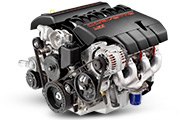
- Engine Assemblies
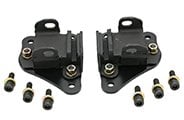
- Motor Mounts
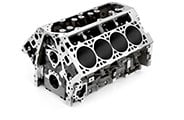
- Engine Blocks
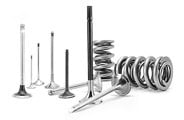
- Valves & Valvetrain Parts
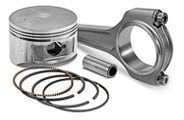
- Pistons, Rings & Connecting Rods
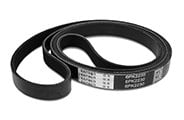
- Serpentine Belts & Auxiliary Drive Belts
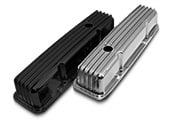
- Valve Covers
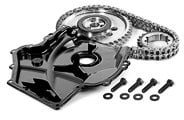
- Timing Gears, Chains & Covers
- Engine Oil Pans, Drain Plugs & Dipsticks
- Cylinder Heads
- Timing Belts
- Engine Pulleys
- Oil Pumps
- Drive Belt Tensioners
- Oil Coolers
- Camshafts
- Crankshafts
- Engine Management Systems
- Engine Bearings
- Harmonic Balancers
- Engine Rebuild Kits
- Oil Catch Cans
- Balance Shafts
- Engine Swap Kits
- Engine Wiring Harnesses