2016 Nissan Altima Tires
-
-
-
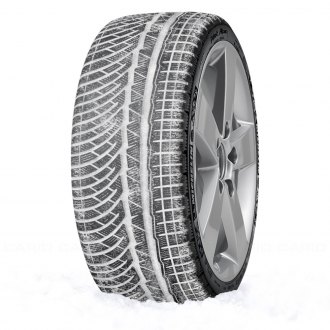
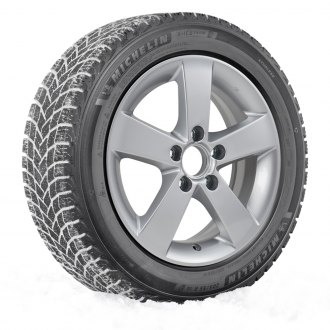 MICHELIN TIRES® - X-ICE SNOW$183.06 - $234.60
 -

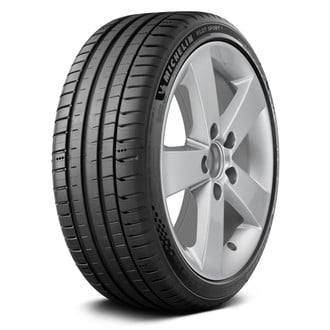
- MICHELIN TIRES® - PILOT SPORT 5$281.99
-
-
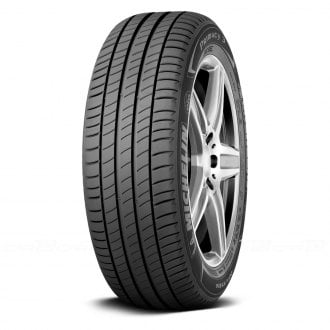
- MICHELIN TIRES® - PRIMACY 3 ZP (RUN FLAT)$343.99 - $360.36
-
-
- MICHELIN TIRES® - PILOT SPORT CUP 2$508.99 - $621.28
- GENERAL® - ALTIMAX RT43$109.13 - $128.99
- GENERAL® - ALTIMAX ARCTIC 12 PS$138.23 - $181.64Mail-in RebateGet up to $180 prepaid card back - Details
-
-
- MASTERCRAFT® - SRT TOURING$88.98 - $112.20
- MASTERCRAFT® - GLACIER TREX$106.12 - $130.15
- MASTERCRAFT® - AVENGER M8$127.18 - $164.36
- MASTERCRAFT® - AVENGER$138.47 - $186.49
- LAUFENN® - I FIT ICE LW71 STUDDED$125.99 - $151.99Mail-in RebateGet up to $60 prepaid card back - Details
- NOKIAN® - NORDMAN SOLSTICE 4$146.42 - $230.24
- NOKIAN® - HAKKAPELIITTA C4$225.23
- NOKIAN® - HAKKAPELIITTA 10 EV$338.58
- KELLY® - EDGE TOURING A/S$109.99 - $164.99
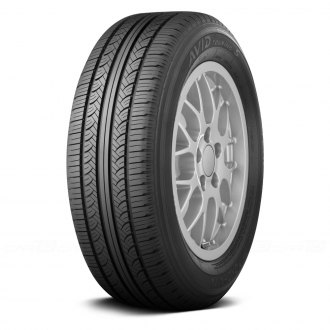
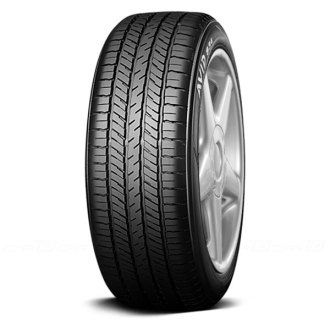
- YOKOHAMA® - AVID TOURING-S$129.39 - $161.58
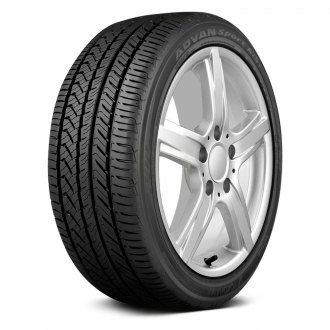
- YOKOHAMA® - ADVAN SPORT A/S PLUS$156.99 - $229.31
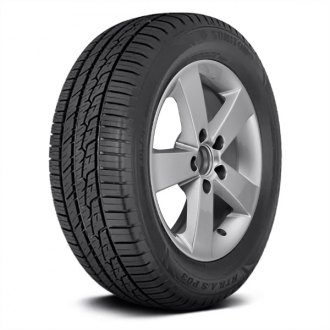
- SUMITOMO TIRES® - HTR A/S P03$121.99 - $176.99
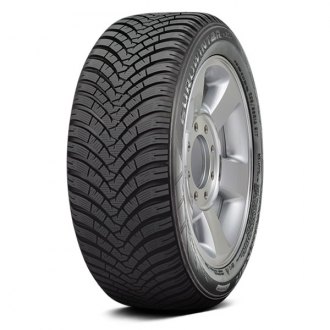
- FALKEN® - EUROWINTER HS01$153.00 - $180.00
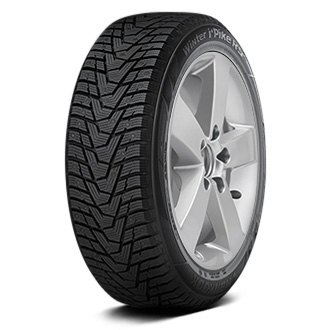
- HANKOOK® - WINTER I PIKE RS2 W429$129.61 - $220.94
- YOKOHAMA® - AVID S34$200.43 - $330.34
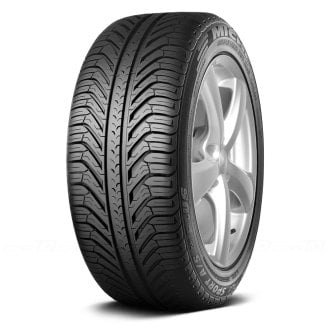
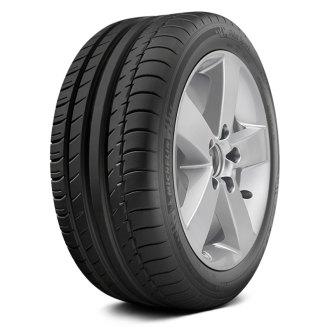
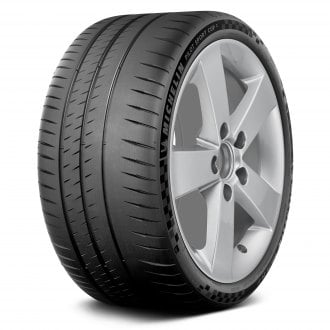
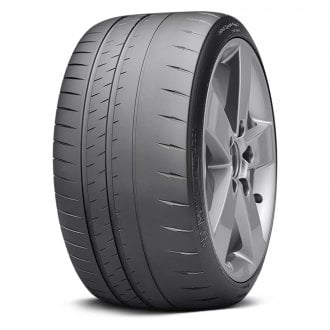

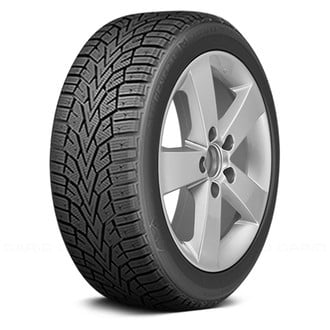
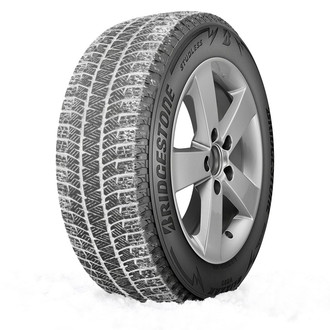
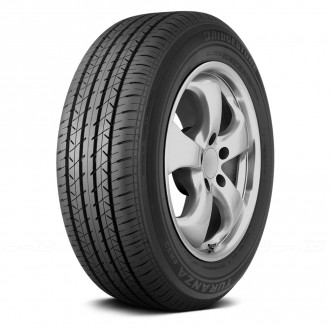
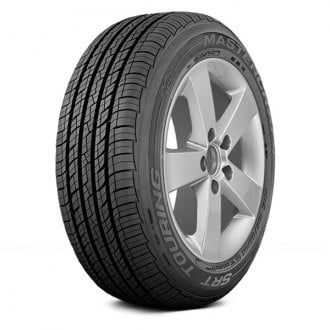
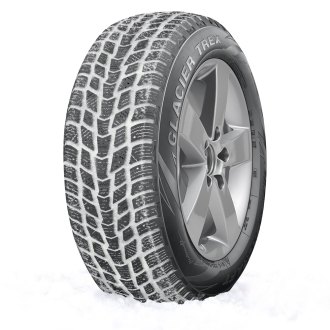
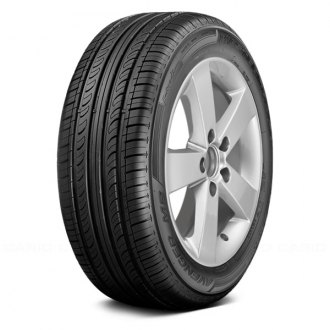
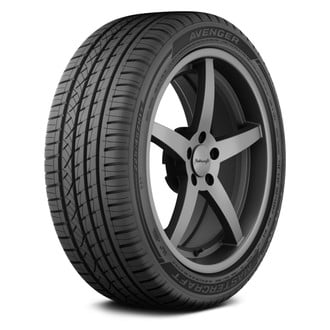
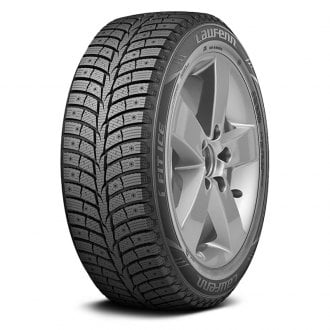


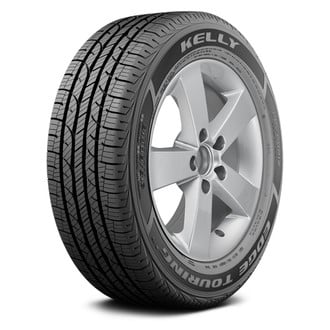
The Nissan Altima debuted in the highly competitive family sedan segment in 1992. Since then, it has gained a strong reputation for its smooth ride, interior comfort, and easy road manners, all topped with the automaker’s reliability record. You can further improve the driving characteristics of your Altima by installing a new set of tires tailored to your needs. Today, the industry creates high-quality products whose compounds, tread block sizes, sipes depth, and tread patterns are matched together to deliver the right amount of traction. If you are planning to replace your old rubber, browse our online selection where we have premium 2016 Nissan Altima tires. Whatever the weather and road surface conditions, here you are sure to find the right tires engineered to handle them all.
The most popular choice among Altima owners is a set of all-seasons, especially those products aimed at improving performance, fuel efficiency, and ride comfort. These tires are suitable for mild climates all year round. They feature compounds with silica infusions to ensure traction on wet roads and even light snow. If you live in an area where the roads get covered in snow and sleet during the cold season, you need to equip your vehicle with dedicated winter rubber. Its compound works great at freezing temps, while large blocks, deep treads, and biting edges provide better grip. summer tires, on the other hand, are designed to cope with hot asphalt and outside temps above 45 degrees through a relatively hard rubber content, shallower grooves, and fewer sipes.