2015 Hyundai Sonata Tires
-
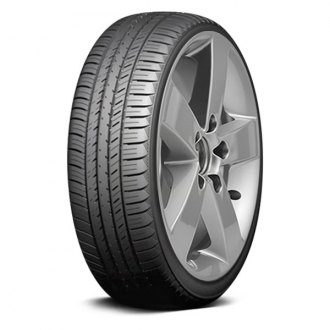 ATLAS TIRES® - FORCE UHP$70.38 - $115.89
 -
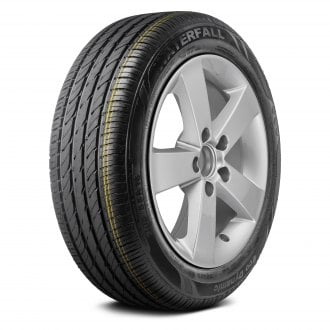 WATERFALL® - ECO DYNAMIC$73.30 - $84.86
 -
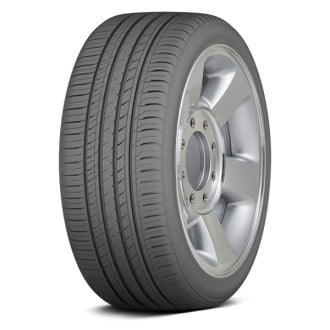 LANCASTER® - LR-66$81.80 - $108.63
 -
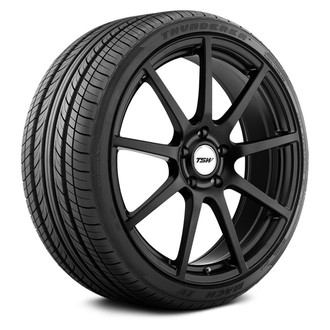
 THUNDERER® - MACH IV R302$89.74 - $96.52
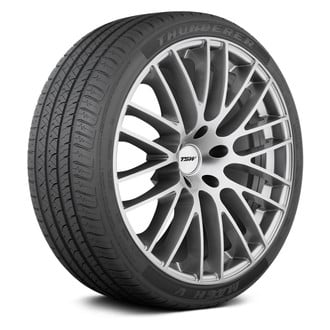
 - THUNDERER® - MACH V$95.94 - $120.32
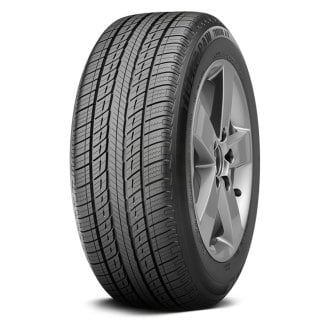
- UNIROYAL® - TIGER PAW TOURING A/S$139.99 - $193.99
- UNIROYAL® - POWER PAW A/S$156.99 - $194.99
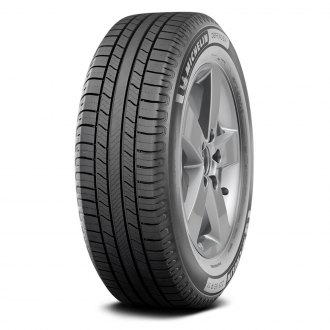
- MICHELIN TIRES® - DEFENDER 2$189.99 - $259.75
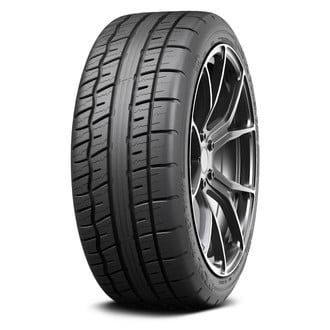
- TOYO TIRES® - PROXES SPORT A/S$165.40 - $212.50
- CONTINENTAL TIRES® - CONTIWINTERCONTACT TS830P$218.58 - $230.81
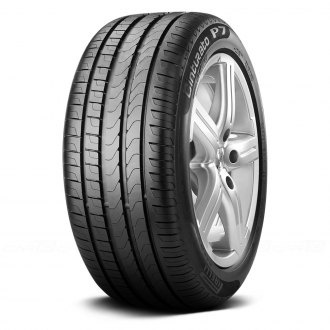
- PIRELLI TIRES® - CINTURATO P7 (RUN FLAT)$241.65 - $347.99
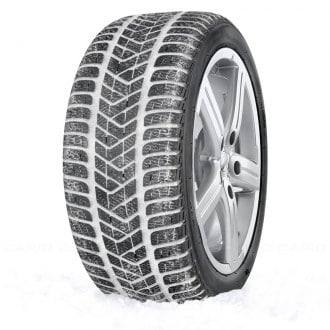
- PIRELLI TIRES® - WINTER SOTTOZERO SERIES 3 (RUN FLAT)$249.70 - $349.86
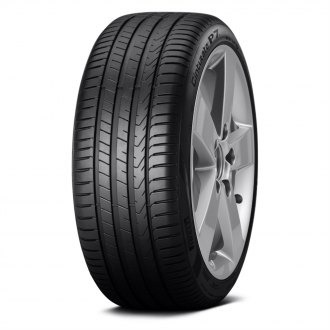
- PIRELLI TIRES® - CINTURATO P7 (P7C2)$259.58 - $327.89
- NOKIAN® - NORDMAN NORTH 9$179.44 - $253.01
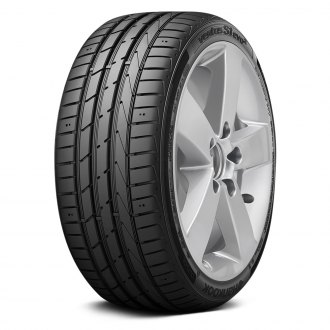
- HANKOOK® - VENTUS S1 EVO2 K117$155.65 - $174.03
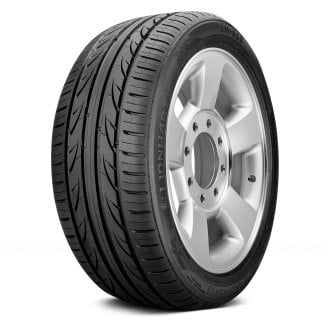
- LIONHART® - LH-503$84.32 - $94.86
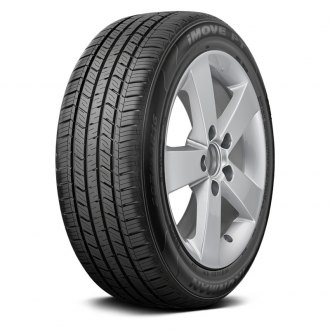
- IRONMAN® - IMOVE PT$78.00 - $88.00
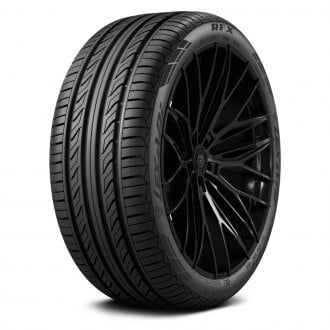
- LEXANI TIRES® - RFX$186.97
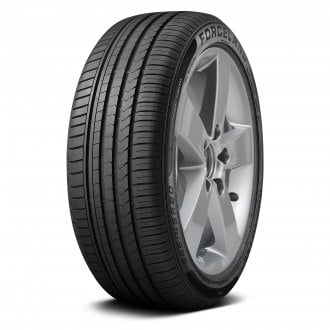
- FORCELAND® - KUNIMOTO F22$72.64
- LEXANI TIRES® - QUATTRO TEMPO AW$80.97 - $89.68
- KUMHO® - ECSTA PS31$105.20 - $161.16
- KUMHO® - SOLUS TA31 PLUS$128.85
- KUMHO® - SOLUS TA71$130.98 - $186.59
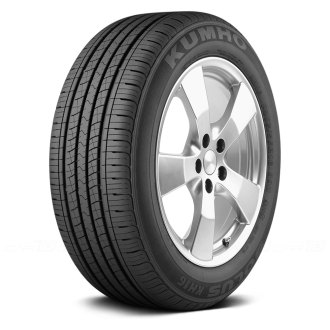
- KUMHO® - SOLUS KH16$141.82
- DELINTE® - DH7$102.82
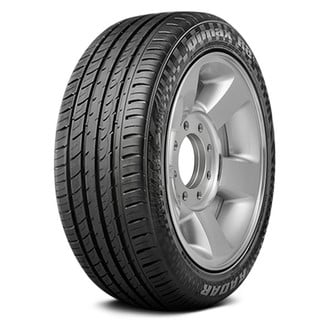
- RADAR® - DIMAX R8$85.96 - $89.54
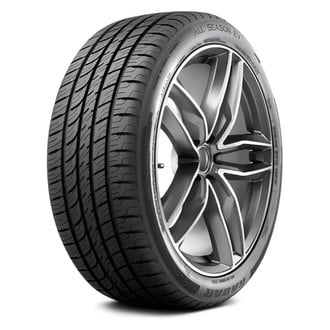
- RADAR® - ALL SEASON EV$112.50
- RADAR® - DIMAX R8 PLUS$116.96
- RADAR® - DIMAX R8 (RUN FLAT)$141.08
- MILESTAR® - MS932 XP PLUS$133.82



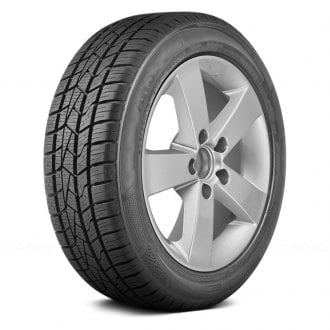
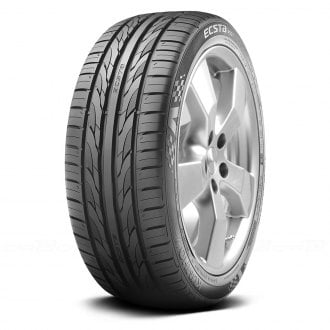
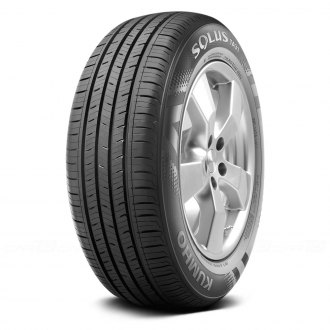
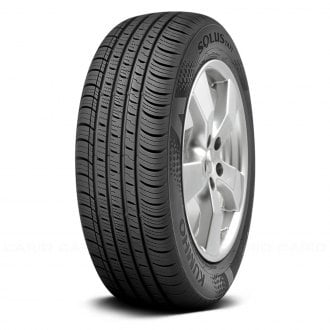

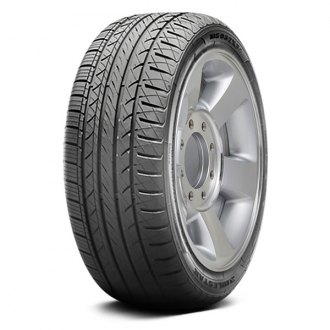
There are numerous factors which influence the drivability of your Hyundai Sonata. One may think that reliable mechanical parts and good vehicle construction are enough for a comfortable and safe ride, but there is one thing whose importance must never be underestimated – the tires. They provide connection with the asphalt and have to ensure reliable traction, which allows you to stay safe while driving over puddles in torrential rain or get out of a snowbank in the winter. If the tires deteriorate, your safety behind the wheel will be affected, therefore, timely replacement is a must.
Check out the collection of 2015 Hyundai Sonata tires that you can see on our digital shelves. We carry different types of rubber designed for various driving styles and weather conditions. Summer tires are meant to work at normal and high temperatures and ensure sufficient traction on both wet and dry surfaces. Their all-season counterparts can work in a wider range of temperatures and even cope with light snow, but their properties worsen when the mercury drops too low. This is why it is advisable to switch to winter / snow tires in a cold season, which feature special compounds and large lateral grooves for better operation in snow and during the frost.