2015 Honda Pilot Tires
-
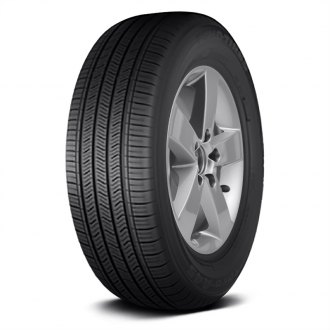 TOYO TIRES® - OPEN COUNTRY A45$244.30
 -
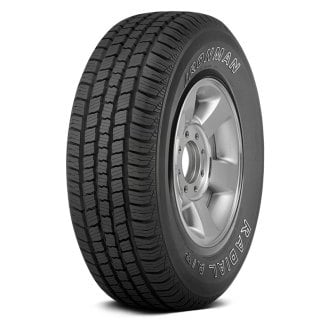
-
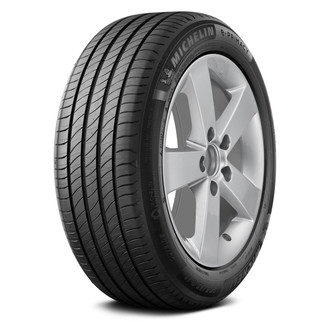 MICHELIN TIRES® - E PRIMACY$255.83 - $346.99
 -
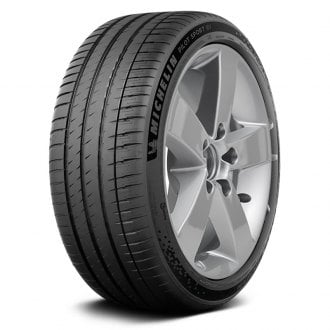
 MICHELIN TIRES® - PILOT SPORT EV$584.99
 - FALKEN® - ZIEX ZE001 A/S$143.59 - $253.35
- FALKEN® - AZENIS FK510 SUV$271.00 - $321.00
-
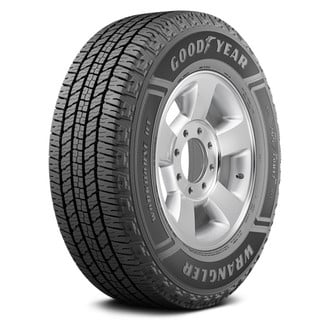
- GOODYEAR TIRES® - WRANGLER HP$157.69
- GOODYEAR TIRES® - ASSURANCE MAXLIFE$202.09 - $226.32
-
-
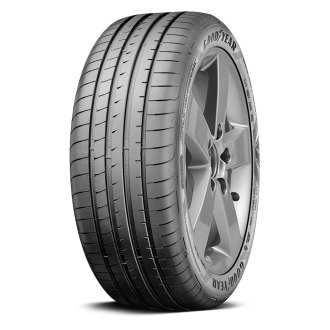
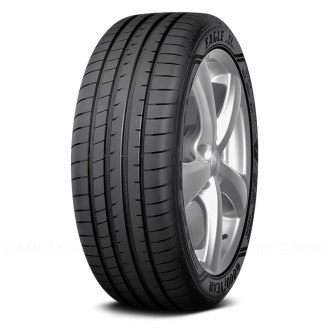
- GOODYEAR TIRES® - EAGLE TOURING$307.99
-
-
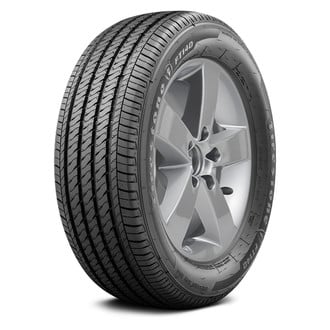
- FIRESTONE® - FT140$135.71
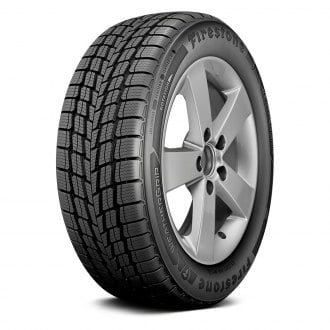
- FIRESTONE® - WEATHERGRIP$195.99 - $216.99
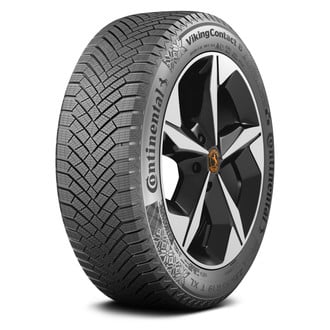
- CONTINENTAL TIRES® - VIKINGCONTACT 8$184.99 - $301.99
-
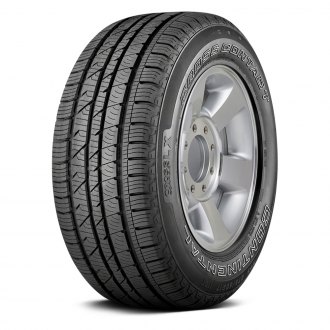
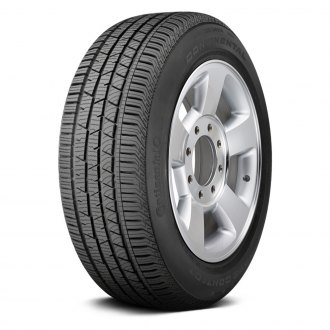
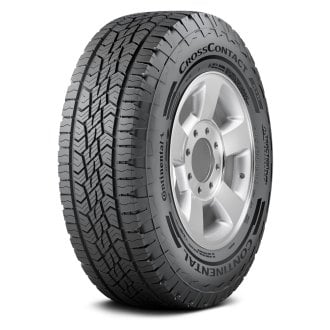
- CONTINENTAL TIRES® - CROSSCONTACT RX$206.54 - $247.80
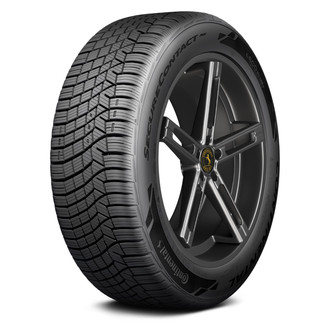
- CONTINENTAL TIRES® - SECURECONTACT AW$223.99 - $277.99
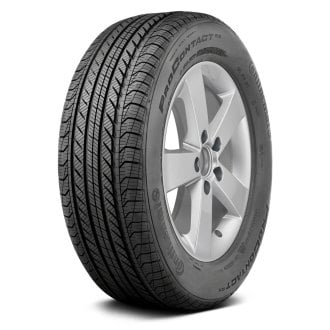
- CONTINENTAL TIRES® - PROCONTACT GX$237.47 - $339.20
-
- CONTINENTAL TIRES® - CONTICROSSCONTACT LX SPORT SSR (RUN FLAT)$263.27 - $398.90
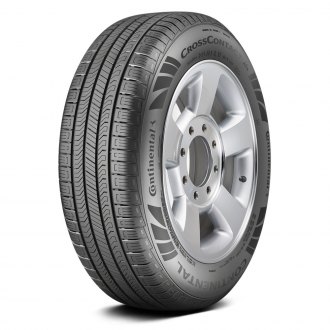
- CONTINENTAL TIRES® - CROSSCONTACT ATR$274.89 - $279.24
-
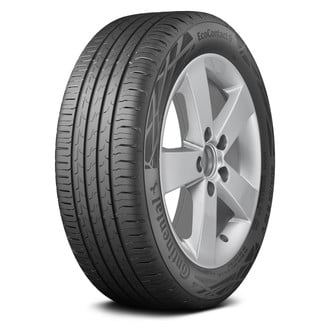
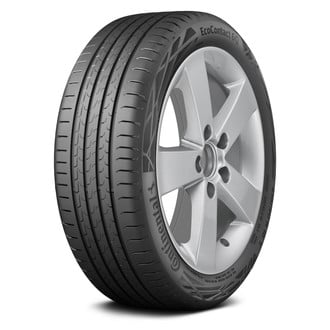
- CONTINENTAL TIRES® - ECOCONTACT 6$325.28 - $370.82
-
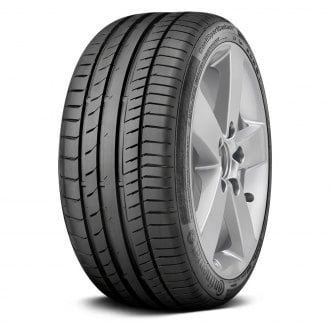
- CONTINENTAL TIRES® - CONTISPORTCONTACT 6$434.56 - $508.17
-
- PIRELLI TIRES® - SCORPION VERDE$206.96 - $305.10
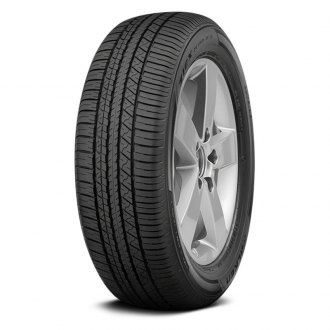
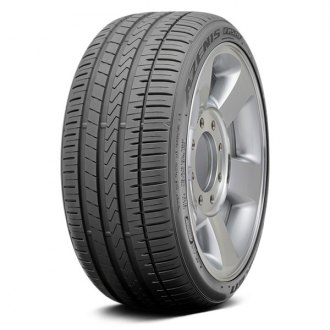
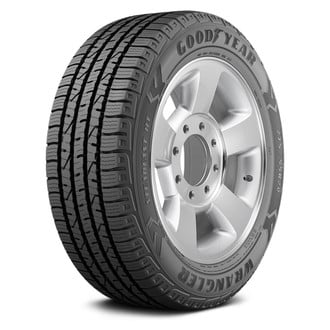

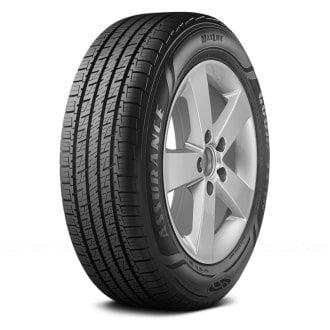



Engineered for quality and durability, the 2015 Honda Pilot has built a reputation for its reliability and high levels of comfort and versatility. It provides a well-controlled ride thanks to its unit-body construction and fully independent suspension. What’s more, it’s rack-and-pinion steering allows for stability and predictable handling. Depending on the trim, it has either 17- or 18-inch wheels that transmit all driving forces to the road surface. However, to ensure predictable acceleration, steering, and braking, tires should be in good condition. If they are worn or damaged, they cannot provide the required grip and traction. To avoid unsafe driving conditions caused by deteriorated rubber, replace it timely.
On our virtual shelves, you can find top-notch 2015 Honda Pilot tires by the most prominent brands. We carry rubber in a number of types and with different tread pattern designs to suit different driving habits and weather conditions. Depending on the climate you live in, you can choose among summer, winter, and all-season tires. Summer rubber works best in hot climates where temperatures go above 86 degrees, while their winter/snow counterparts are specially engineered to withstand extremely low temperatures. For those drivers living in a moderate climate, all-seasons are the best choice.