2010 Nissan Maxima Tires
-
-
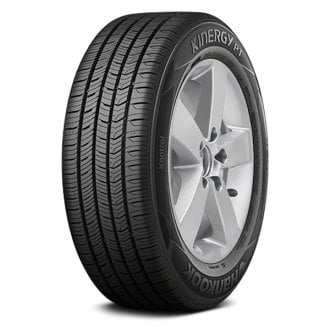 HANKOOK® - KINERGY PT H737$250.99 - $265.99Mail-in RebateGet $80 prepaid card back - Details
 -
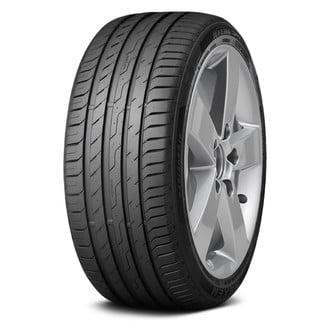 NEXEN® - N FERA SPORT$200.00 - $259.00
 -
 FIRESTONE® - FIREHAWK INDY 500$240.99 - $274.64
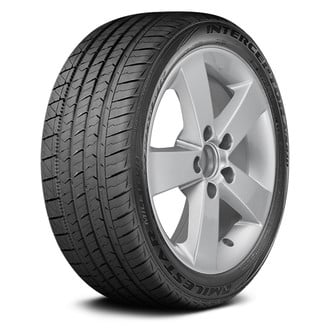
 - MILESTAR® - INTERCEPTOR AS810$135.95 - $159.95
- NOKIAN® - SURPASS AS01$184.53 - $226.15
- NOKIAN® - ONE$224.91 - $228.66
- NOKIAN® - REMEDY WRG5$236.42 - $280.03
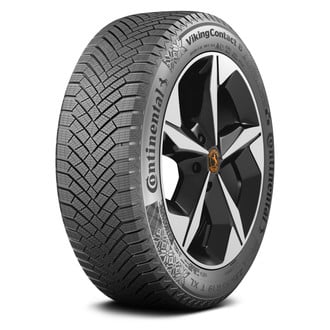
- CONTINENTAL TIRES® - VIKINGCONTACT 8$243.99 - $292.99
-
-
-
-
-
- CONTINENTAL TIRES® - PROCONTACT GX$291.90 - $403.44
-
-
- GOODYEAR TIRES® - EAGLE TOURING$227.79
- TOYO TIRES® - OBSERVE GSI-6 HP$225.17 - $225.86
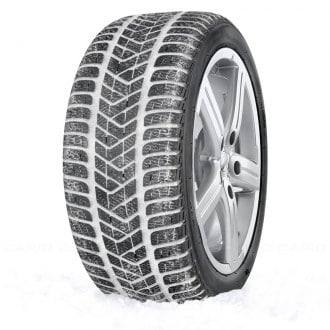
- PIRELLI TIRES® - WINTER SOTTOZERO SERIES 3 (RUN FLAT)$268.23 - $393.22
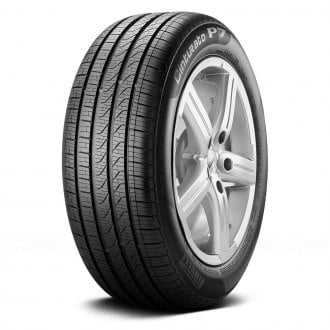
- PIRELLI TIRES® - CINTURATO P7 (RUN FLAT)$329.58 - $377.77
-
- PIRELLI TIRES® - CINTURATO P7 A/S (RUN FLAT)$372.73 - $425.74
-
-
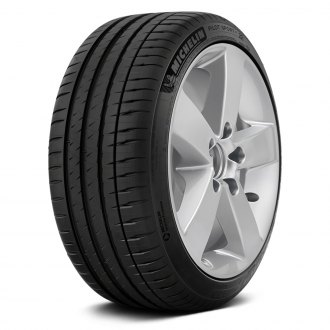
- MICHELIN TIRES® - PILOT SPORT 4$323.99 - $432.99
- MICHELIN TIRES® - PRIMACY 3 ZP (RUN FLAT)$354.38 - $361.74
-
-
-


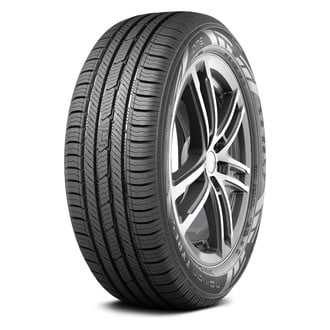


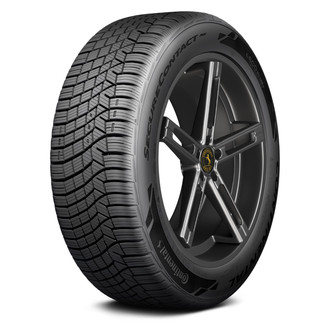

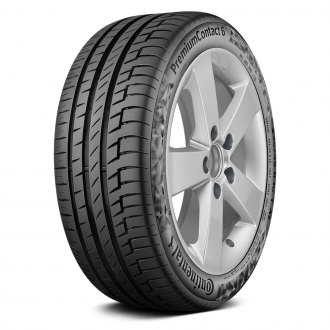
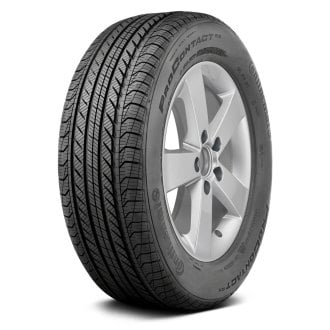
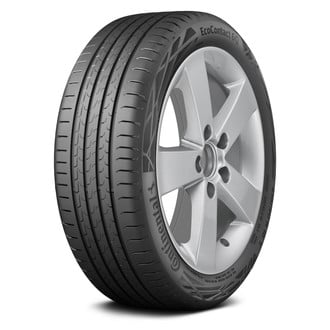
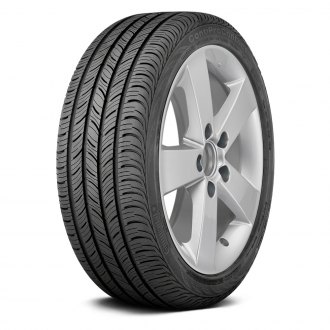

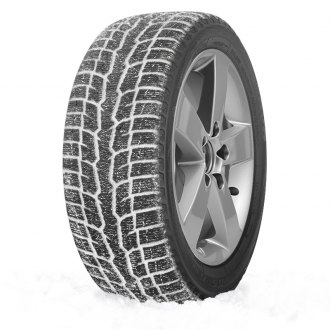
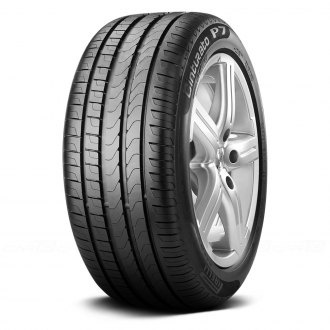
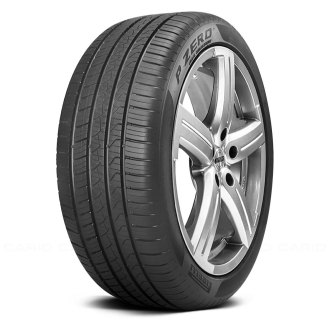
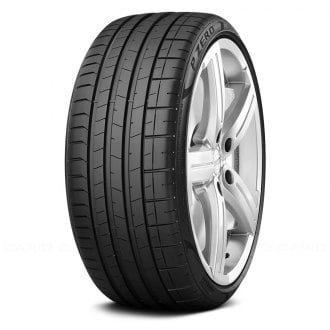
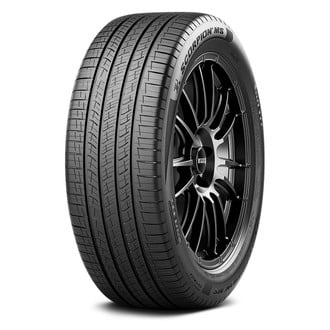
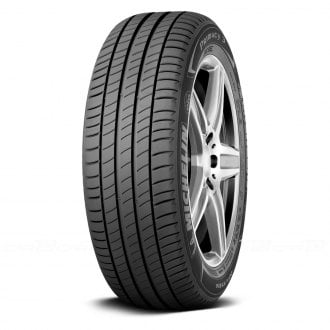

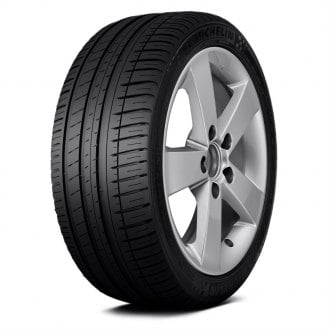
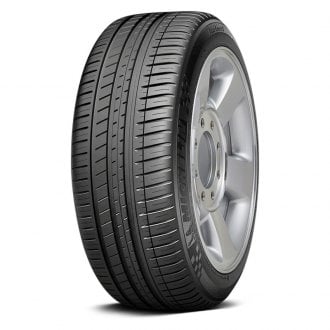
It is the grip of the tires that helps your car stop in a reasonable amount of time and keeps you in control in extreme road conditions like slush, ice, or snow. When the rubber is bald or inappropriate for the climate and you are looking to change it, search no further than our selection of 2010 Nissan Maxima tires that we source from Cooper, Pirelli, Continental, Nitto, DeLinte, and other reputable makers. All-seasons come with compounds rich with silica, with directional grooves ensuring considerable grip. The result is excellent traction in dry and wet conditions, and in some cases, on light snow. Their wide tread grooving evacuates water and slush, thus enhancing traction. Well-designed shoulder blocks further improve cornering grip for confident handling.
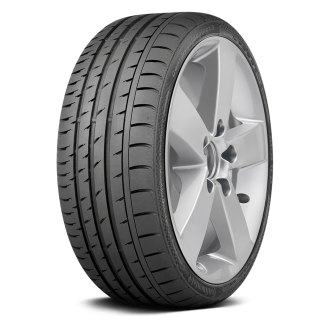
Winter tires are manufactured from out of blends which include plenty of natural rubber, ensuring flexibility in freezing temps. They feature raised treads, deeper channels & ruts, and biting edges, all in order to keep you safe on ice and snow. Summer tires are produced with lots of carbon and synthetic rubber, so as to deliver secure grip when the temps go up, on both dry and wet roads. They provide wider, larger footprints, all in order to improve aquaplaning resistance and maximize traction.