2008 Honda Civic Tires
-
 GOODYEAR TIRES® - ASSURANCE TRIPLEMAX 2$95.08 - $96.39
 -
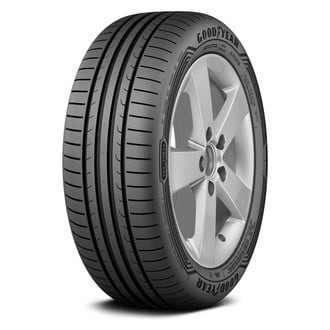 GOODYEAR TIRES® - EAGLE SPORT 2$100.80 - $109.54
 -
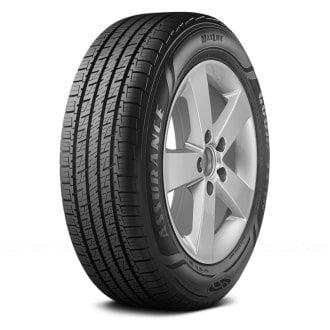 GOODYEAR TIRES® - ASSURANCE MAXLIFE$118.68 - $197.05
 -
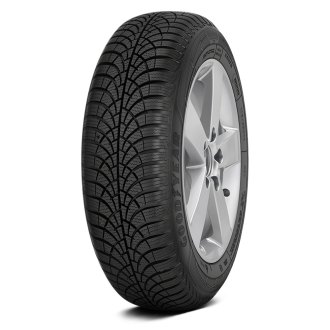
 GOODYEAR TIRES® - ULTRAGRIP 9 PLUS$130.74 - $148.93
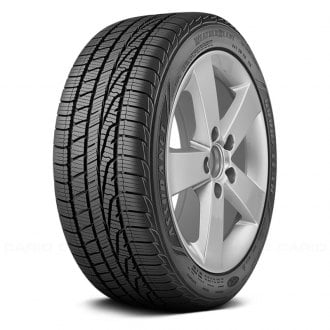
 - GOODYEAR TIRES® - ASSURANCE WEATHERREADY$145.33 - $192.58
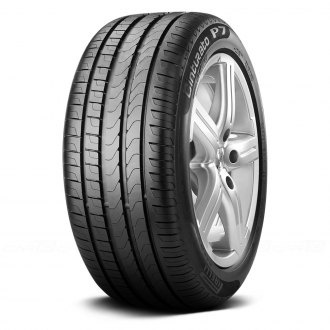
- PIRELLI TIRES® - CINTURATO P7$139.94 - $197.52
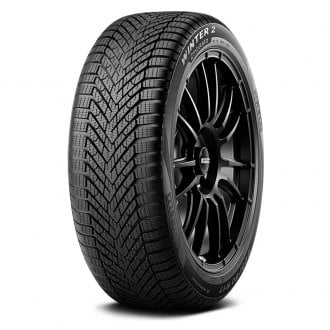
- PIRELLI TIRES® - CINTURATO WINTER 2$147.59 - $170.29
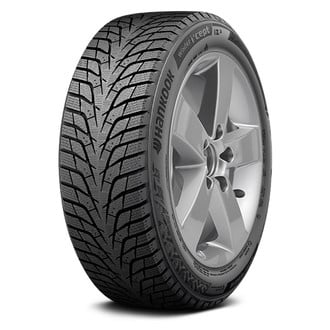
- HANKOOK® - WINTER I CEPT IZ3 W636$103.71 - $122.33
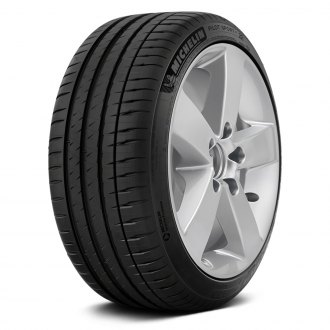
- MICHELIN TIRES® - PILOT SPORT 4$229.13 - $299.99
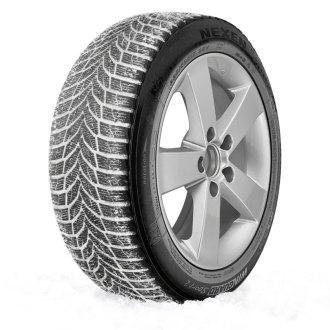
- NEXEN® - WINGUARD SPORT 2$99.84 - $173.81
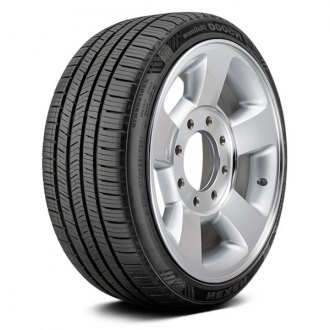
- NEXEN® - N5000 PLATINUM$145.00 - $159.00
- DELINTE® - DH2$68.36 - $86.96
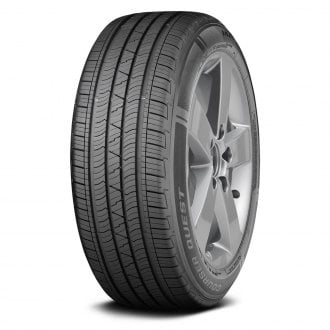
- MASTERCRAFT® - COURSER QUEST$96.14 - $125.83
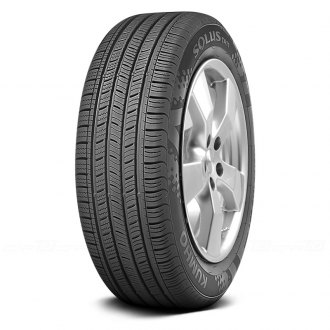
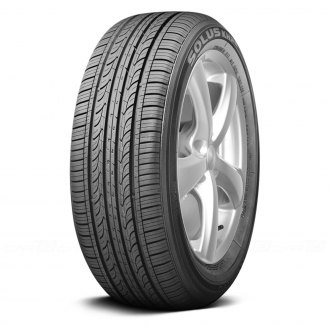
- KUMHO® - SOLUS TA11$73.71 - $113.08
- KUMHO® - SOLUS KH25$138.88 - $216.84
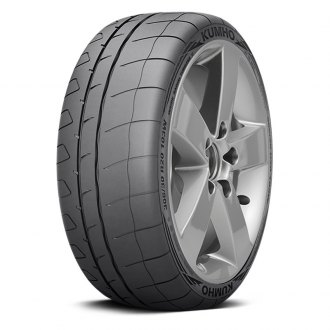
- KUMHO® - ECSTA V730$157.94 - $201.40
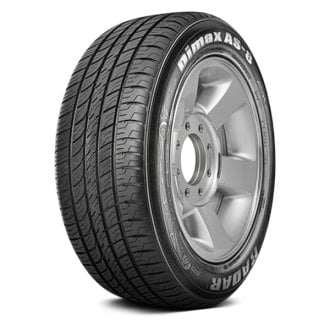
- RADAR® - DIMAX AS-8$83.98 - $120.78
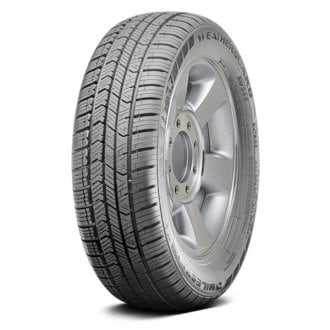
- MILESTAR® - WEATHERGUARD AW365$85.65 - $88.95
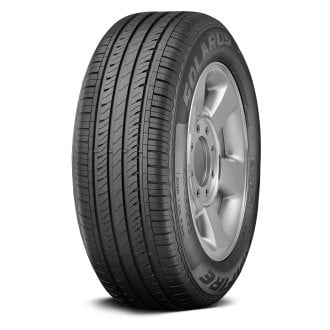
- STARFIRE® - SOLARUS AS$73.63 - $92.54
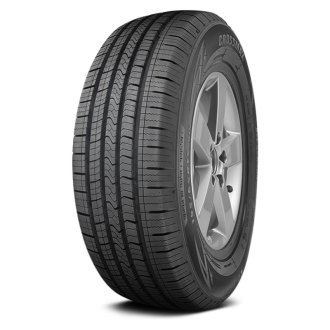
- CROSSMAX® - CT-1$55.96 - $68.32
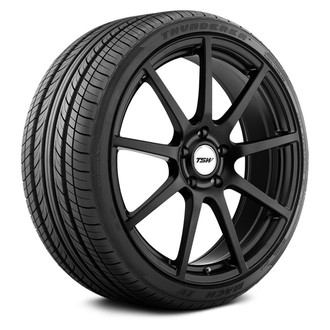
- THUNDERER® - MACH IV R302$72.57 - $74.52
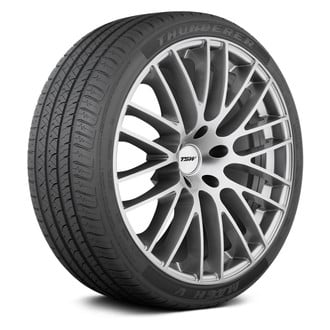
- THUNDERER® - MACH V$93.51 - $106.54
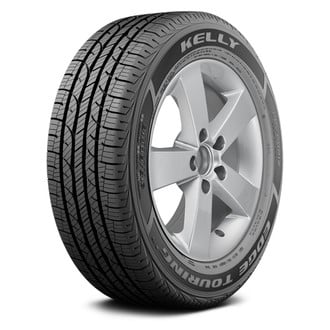
- KELLY® - EDGE TOURING A/S$95.99 - $128.99
- UNIROYAL® - TIGER PAW TOURING A/S$117.99 - $149.99
- UNIROYAL® - POWER PAW A/S$139.99 - $163.88
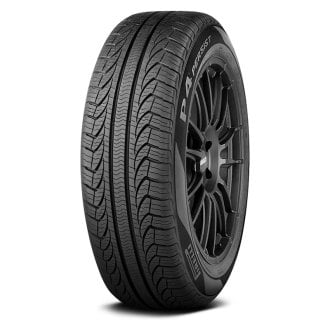
- PIRELLI TIRES® - P4 PERSIST A/S PLUS$116.07 - $133.60
- MICHELIN TIRES® - CROSSCLIMATE 2$195.99 - $243.76
- MASTERCRAFT® - GLACIER TREX$87.64 - $116.14
- NOKIAN® - NORDMAN NORTH 9$136.84 - $172.60
- YOKOHAMA® - AVID S33$164.84 - $192.90

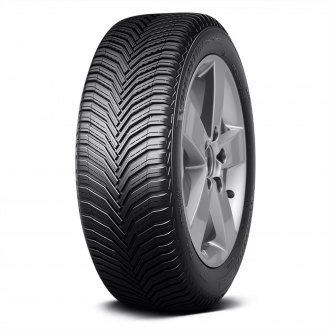
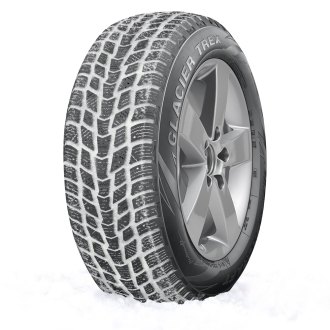

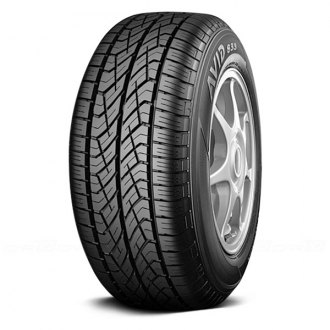
The 2008 Honda Civic combines great fuel economy, smooth ride, and good driving characteristics, which altogether make it one of undoubted leaders in its market segment. However, the worn-out rubber can considerably affect its ride quality and make your maneuvers less precise and safe than before. The timely replacement of tires belongs to common maintenance procedures, and it's recommended to visually check your rubber from time to time. Just make sure it has a sufficient tread depth and there are no cracks or bulbs. Besides, your tires have to suit the weather and driving conditions.
On our virtual shelves, you can see a great variety of 2008 Honda Civic tires designed for different climates and driving habits. Our summer rubber features the most modern tread patterns for better traction at high temperatures or during the rain, while their winter / snow counterparts have more aggressive tread blocks to provide enough traction while driving on ice and snow-covered roads. In order to have an optimal balance of safety, durability, and grip, you can choose all-season rubber. It can operate even in light snow, but if there is a lot of it, snow tires are a better option.