2007 Nissan Sentra Tires
-
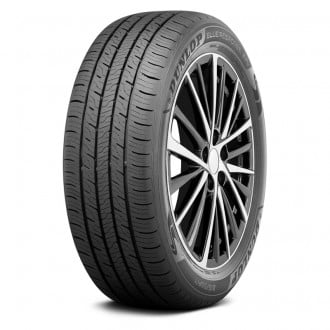 DUNLOP TIRES® - BLUE RESPONSE A/S$159.00 - $201.00
 -
 IRONMAN® - IMOVE GEN 3 AS$65.00 - $86.00
 -
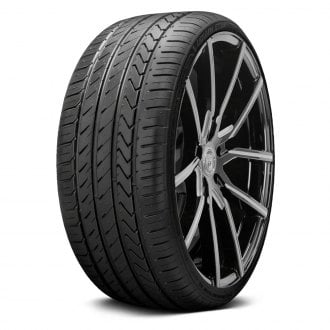 LEXANI TIRES® - LX-TWENTY$86.87 - $87.95
 -
 LEXANI TIRES® - LXUHP-207$81.16 - $97.27
 - HANKOOK® - KINERGY GT H436$152.99 - $209.99
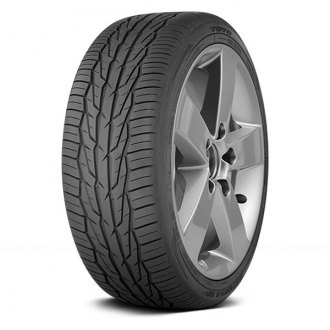
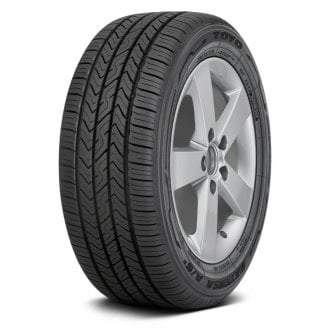
- TOYO TIRES® - EXTENSA HP II$133.63 - $169.49
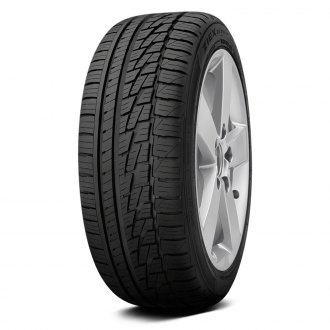
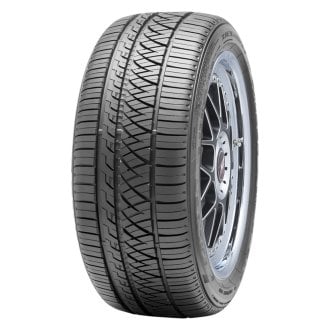
- FALKEN® - ZIEX ZE950$93.02 - $126.64
-
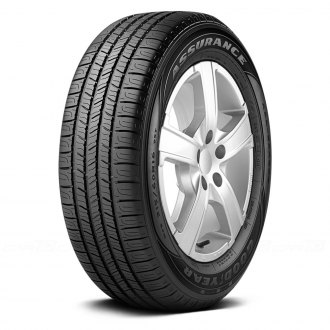
- GOODYEAR TIRES® - ASSURANCE ALL SEASON$133.99 - $166.99
- VERSATYRE® - CRX4000$57.59 - $85.84
- CONTINENTAL TIRES® - EXTREMECONTACT DWS06 PLUS$168.99 - $185.99
- LEXANI TIRES® - LXTR-203$70.81 - $72.76
- TOYO TIRES® - PROXES SPORT A/S PLUS$171.92 - $203.25
- ARROYO® - ECO PRO A/S$68.23
- HANKOOK® - VENTUS EVO K137$179.99
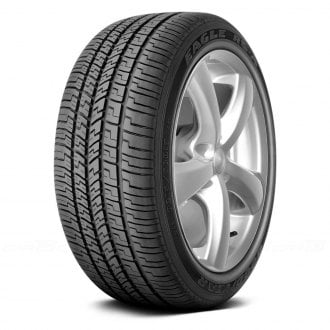
- GOODYEAR TIRES® - EAGLE RS-A$152.90
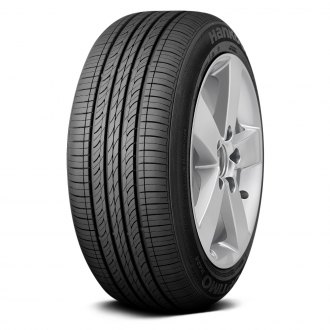
- HANKOOK® - OPTIMO H426$269.57
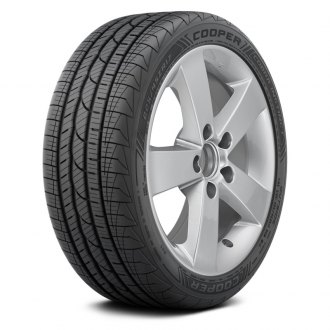
- COOPER TIRES® - COBRA INSTINCT$152.99 - $168.99
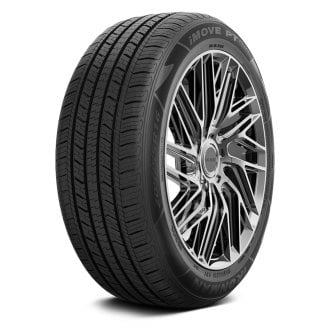
- IRONMAN® - IMOVE PT PLUS$65.00 - $72.00
- FALKEN® - ZIEX ZE960 A/S$114.00 - $143.00
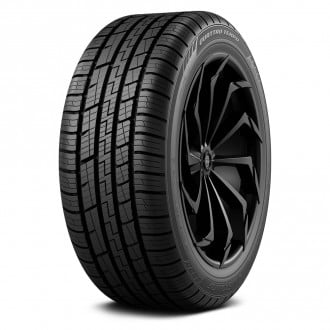
- LEXANI TIRES® - QUATTRO TEMPO TOUR AW$90.80 - $104.87
- TOYO TIRES® - EXTENSA A/S II$134.32 - $153.89
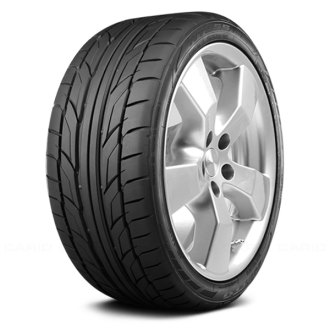
- NITTO® - NT555 G2$183.25 - $196.24
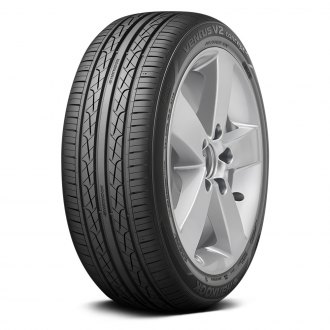
- HANKOOK® - VENTUS V2 CONCEPT 2 H457$111.99 - $153.99
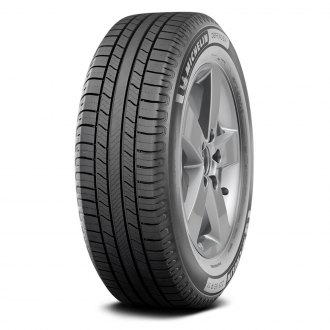
- MICHELIN TIRES® - DEFENDER 2$179.99
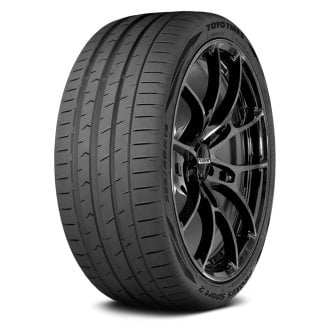
- TOYO TIRES® - PROXES SPORT 2$177.10 - $209.16
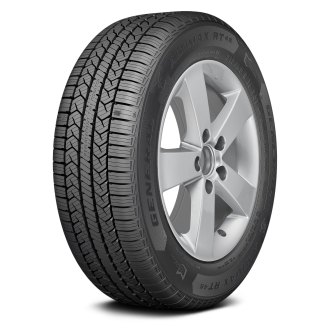
- GENERAL® - ALTIMAX RT45$115.99 - $187.99
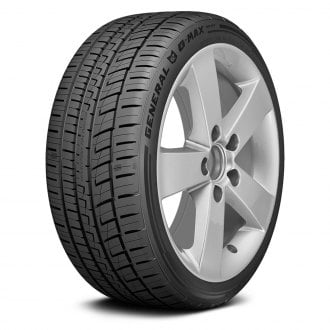
- GENERAL® - G-MAX AS-07$149.99 - $169.99
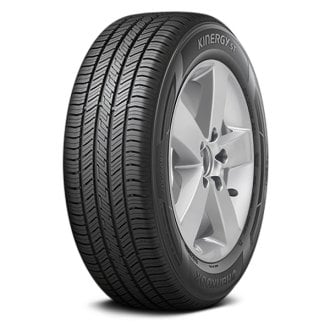
- HANKOOK® - KINERGY ST H735$109.99 - $140.99
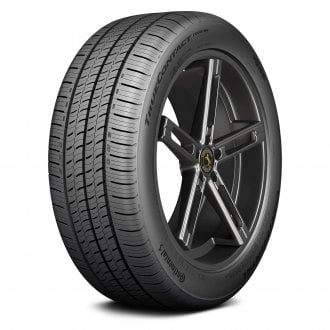
- CONTINENTAL TIRES® - TRUECONTACT TOUR 54$148.99 - $209.99
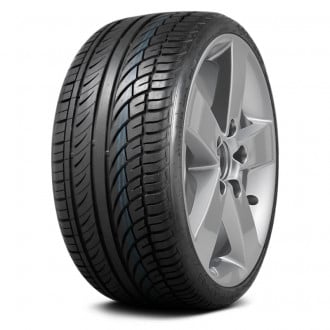
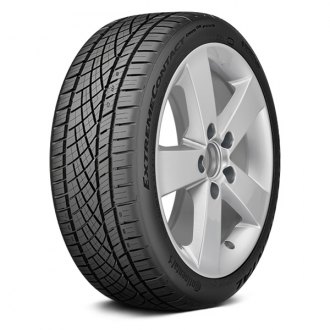
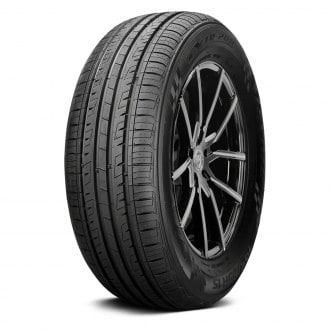

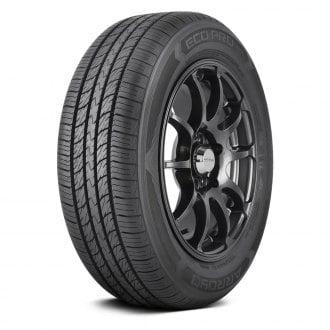
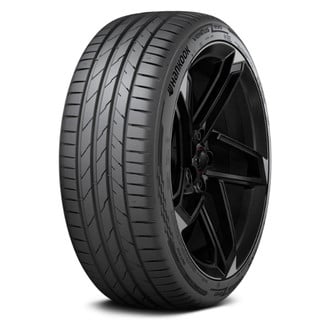
Combining maneuverability, functionality, and good fuel economy, the 2007 Nissan Sentra meets the needs of different categories of drivers, not to mention its SE-R Spec V version specifically created for driving enthusiasts. Whether you need an auto to commute or you're a fan of high speeds, this car can easily cover your requirements. However, no matter what your machine is typically used for, it is always critical to keep the tires in working condition. Their deterioration cannot be averted, so you have to pay some attention to them and make the replacement if needed.
Whatever type of rubber you need, be sure to find it in our catalog of 2007 Nissan Sentra tires tailored for various tasks and weather conditions. Summer rubber works best at 45 degrees and higher. Its all-season counterpart is far more versatile thanks to silica compounds it features; this kind of rubber can work all year round but can't cope with thick snow. For cold and snowy winter, there are snow tires featuring a special tread pattern. Made of a softer material, they perfectly work in frost but quickly deteriorate when it gets warm outside. Actually, replacement twice a year is the only disadvantage of seasonal rubber, but in many cases, it's justified by numerous benefits.