2005 Nissan Altima Tires
-
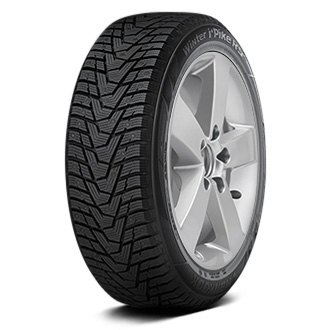 HANKOOK® - WINTER I PIKE RS2 W429 STUDDED$143.99 - $161.51
 -
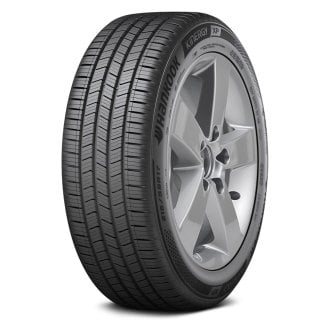 HANKOOK® - KINERGY XP$145.99 - $271.99Mail-in RebateGet $80 prepaid card back - Details
 -
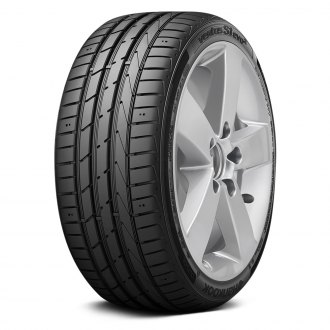
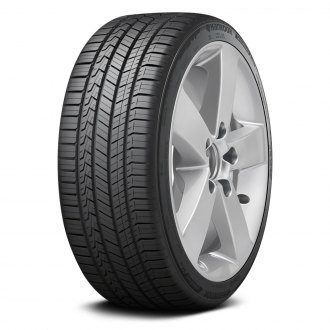 HANKOOK® - VENTUS S1 A/S H125$161.99 - $227.99
 -

-
-
-
-
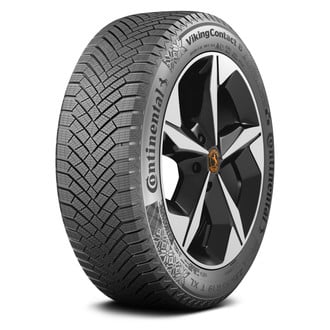
- CONTINENTAL TIRES® - VIKINGCONTACT 8$160.99 - $274.99
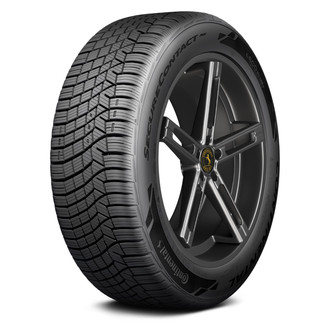
- CONTINENTAL TIRES® - SECURECONTACT AW$173.99 - $218.99
- CONTINENTAL TIRES® - CONTIPROCONTACT SSR (RUN FLAT)$237.48 - $292.76
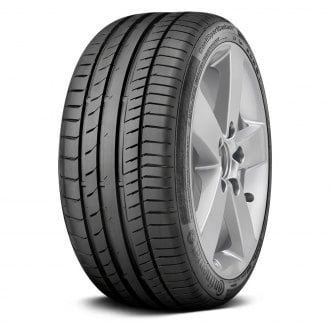
- CONTINENTAL TIRES® - CONTISPORTCONTACT 5$245.02 - $303.29
-
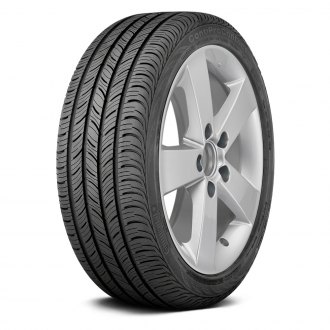
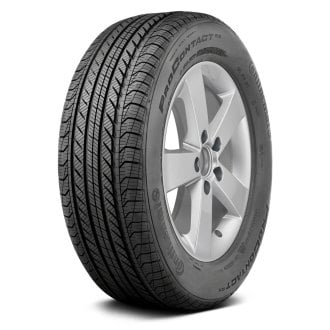
- CONTINENTAL TIRES® - PROCONTACT GX$278.52 - $327.23
-
-
-
-
- GOODYEAR TIRES® - ELECTRICDRIVE$211.74
- LIONHART® - LH-501$76.67
- TOYO TIRES® - PROXES A20$166.36
- TOYO TIRES® - CELSIUS SPORT$168.10
- PIRELLI TIRES® - P ZERO EV$337.24
-
-
- FALKEN® - SINCERA SN250A A/S$142.43
- COOPER TIRES® - EVOLUTION WINTER$127.86 - $143.53
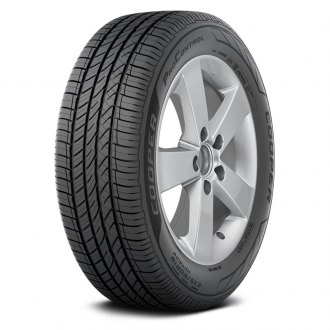
- COOPER TIRES® - PROCONTROL$139.99 - $171.99
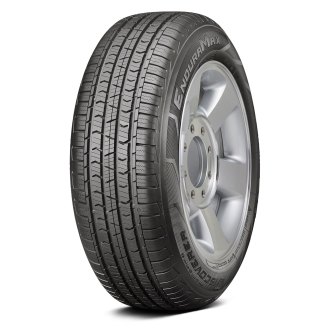
- COOPER TIRES® - DISCOVERER ENDURAMAX$158.63 - $177.25
- GENERAL® - ALTIMAX ARCTIC 12$124.52 - $183.99Mail-in RebateGet up to $180 prepaid card back - Details

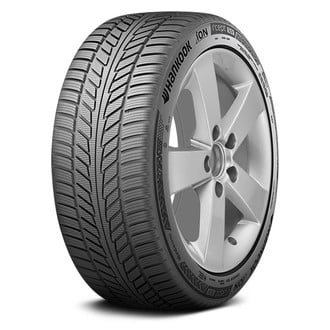

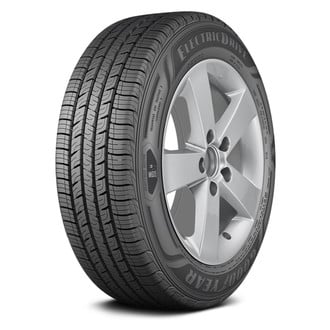
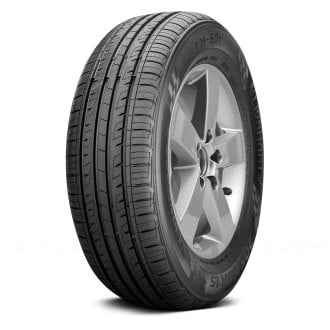
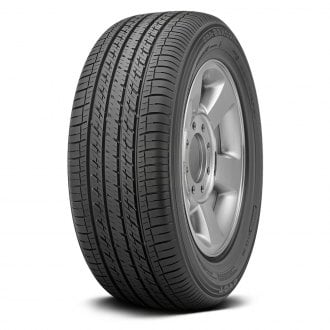
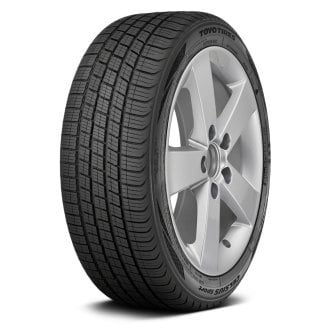
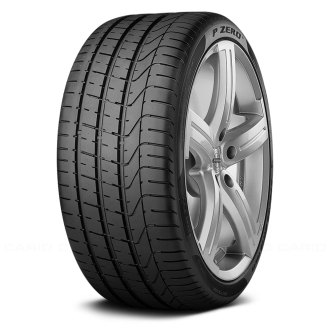
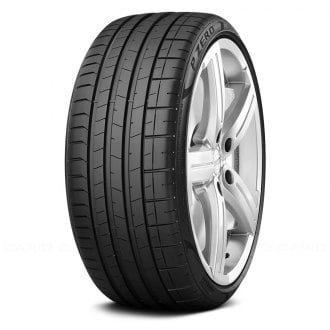
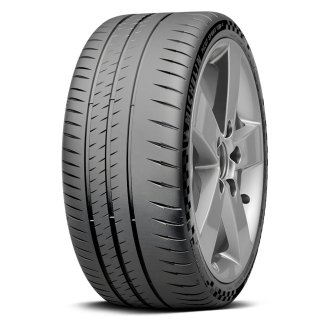
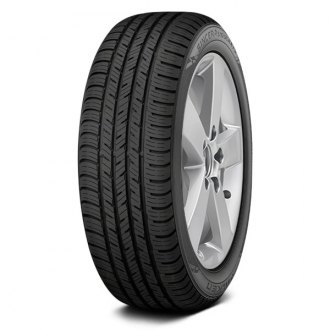

Although the Nissan Altima is a family-oriented car, it offers sportier versions suitable for performance driving. Thus, the SE-R package features lowered, stiffened suspension, a close-ratio manual, and of course, a specifically designed wheel and tire combo. Depending on the intended use, the proper set of tires can remarkably improve ride comfort, handling and braking. Rubber compounds, patterns, and advanced technologies used in manufacturing help create the tires capable of shortening stopping distances, maintaining traction on slippery surfaces, improving comfort, and even reducing fuel consumption.
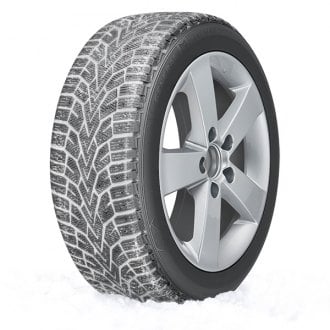
We offer a wide choice of 2005 Nissan Altima tires specifically designed to provide top performance in winter, summer, or all year round. Choosing the right rubber for your sedan is crucial for safe driving. All-season rubber is the most popular type for a reason. It makes you forget about the hassle and added expenses of seasonal tire changeovers, but it only works where winter and summer weather conditions are not too extreme. They provide a balanced blend of characteristics to perform decently in different conditions, including light snow. For harsher situations, summer and winter tires are safer options as their rubber content and design features provide optimal traction and material flexibility.