2003 Honda Accord Tires
-
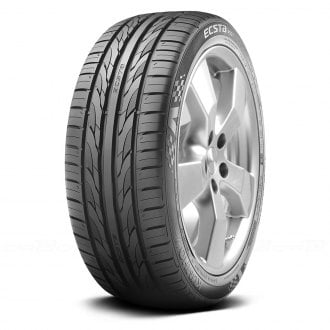
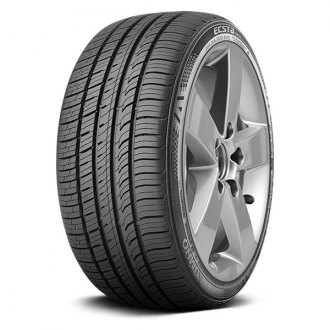
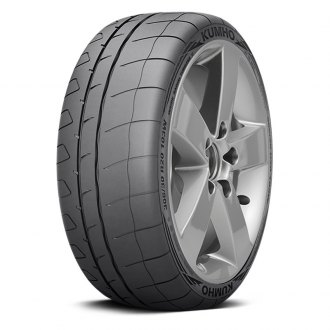
 KUMHO® - ECSTA SPORT S PS72S$161.20 - $214.24
 -
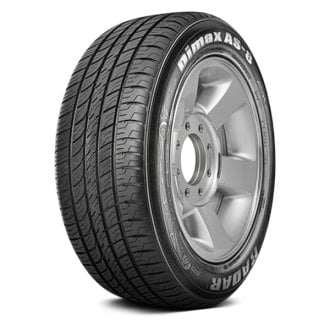 RADAR® - DIMAX AS-8$77.90 - $102.73
 -
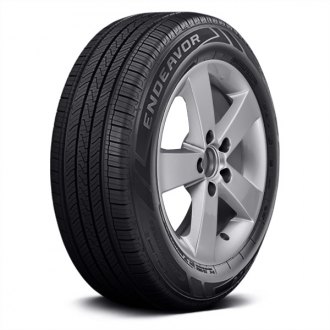 COOPER TIRES® - ENDEAVOR$105.70 - $149.99
 -
 FORCELAND® - KUNIMOTO F20$58.14 - $71.07
 - MILESTAR® - WEATHERGUARD AW365$88.48 - $108.75
- NOKIAN® - NORDMAN SOLSTICE 4$121.45 - $198.67
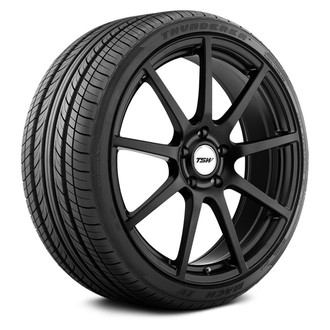
- THUNDERER® - MACH I R201$69.01 - $73.33
- THUNDERER® - MACH IV R302$73.00 - $131.78
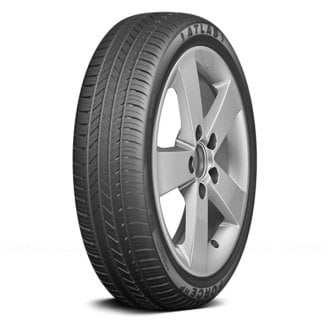
- ATLAS TIRES® - FORCE HP$82.70 - $85.61
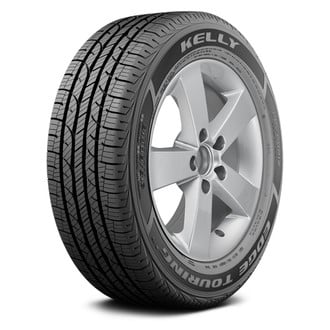
- KELLY® - EDGE TOURING A/S$95.99 - $131.99
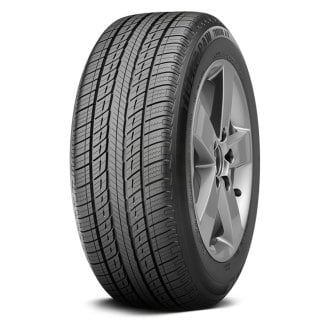
- UNIROYAL® - TIGER PAW TOURING A/S$117.99 - $173.99
- UNIROYAL® - POWER PAW A/S$147.39 - $151.99
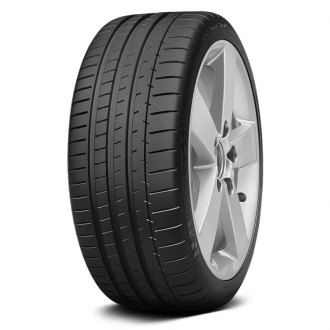
- MICHELIN TIRES® - PILOT SUPER SPORT$199.41 - $285.30
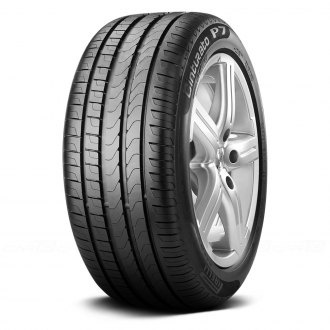
- PIRELLI TIRES® - CINTURATO P7$193.78 - $318.06
- PIRELLI TIRES® - WINTER SOTTOZERO SERIES 3$227.45 - $234.92
- NOKIAN® - NORDMAN NORTH 9$136.84 - $191.25
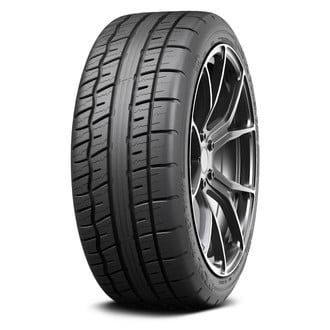
- HANKOOK® - VENTUS S1 NOBLE 2 H452$141.18 - $184.99
- YOKOHAMA® - AVID S33$164.84 - $192.90
- LIONHART® - LH-503$79.47 - $82.95
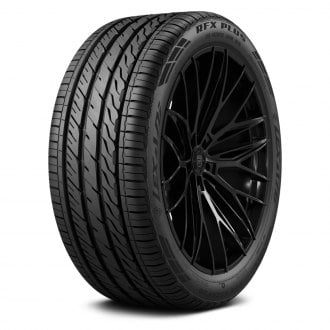
- LEXANI TIRES® - RFX PLUS$160.18
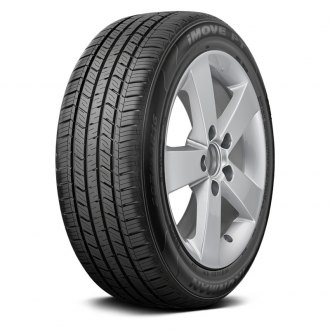
- IRONMAN® - IMOVE PT$70.00 - $78.00
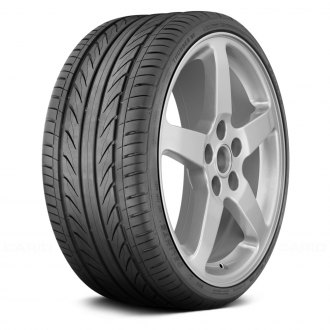
- DELINTE® - THUNDER D7$83.79 - $89.96
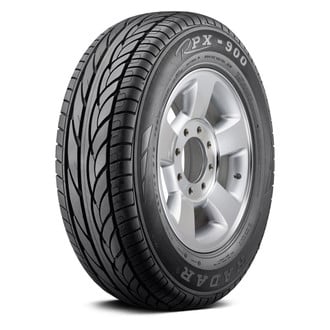
- RADAR® - RPX-900$62.69 - $73.96
- LEXANI TIRES® - QUATTRO TEMPO AW$66.58 - $85.75
- KUMHO® - SOLUS TA11$73.71 - $113.88
- KUMHO® - SOLUS TA71$110.55 - $176.87
- KUMHO® - ECSTA PS31$122.29 - $124.98
- KUMHO® - ECSTA PA51$122.53 - $123.39
- KUMHO® - ECSTA V730$224.72
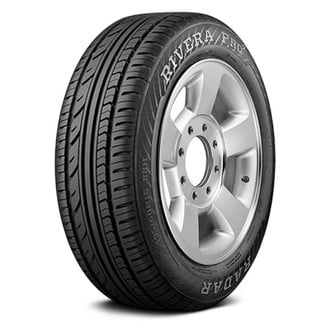
- RADAR® - RIVERA PRO 2$71.66 - $71.76

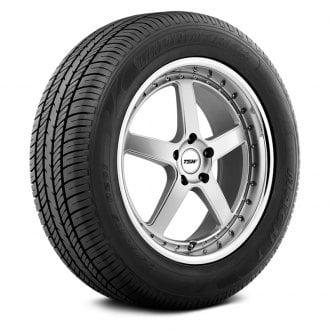
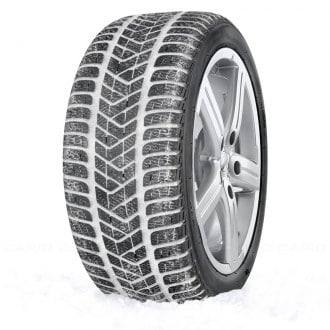

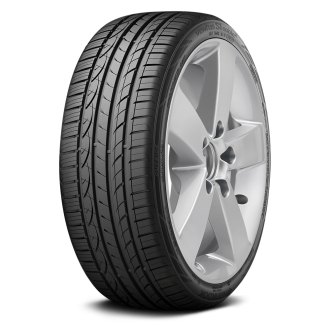
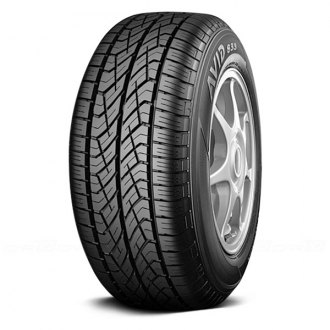
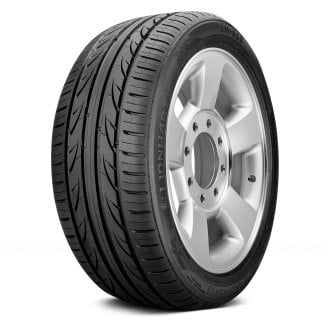
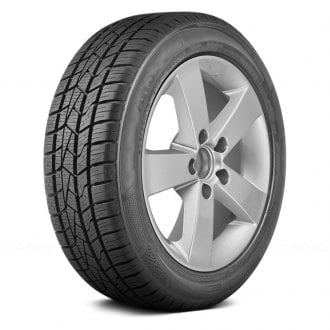
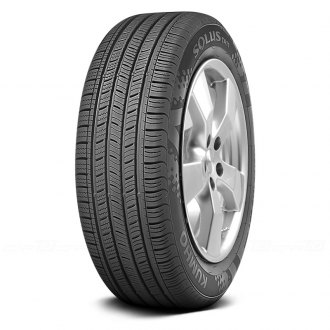
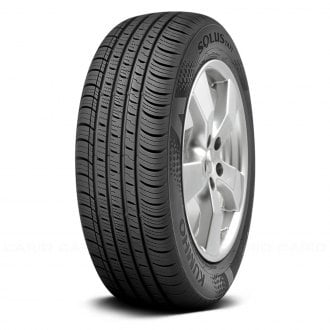
The 2003 Honda Accord is a great example of a reliable car. It is rather comfortable and pleasant to drive while its excellent fuel efficiency also makes it quite attractive from the cost-effectiveness standpoint. The way your car drives and how much gas it consumes partly depend on the condition of its tires. Worn out rubber can no longer maintain that high quality of ride you are used to; what’s more, deteriorated tires may lead to unsafe driving conditions. For all these reasons, it is crucial to replace your tires timely. On our digital shelves, you can find a wide range of 2003 Honda Accord tires by some of the market leaders all gathered under one roof for your convenience.
There is an extensive assortment to choose from, as we carry rubber designed for different weather conditions and driving styles. All-season tires featuring Silica-enhanced compounds can work under a variety of conditions providing sufficient traction on dry and wet pavement and even on light snow. But they are unable to handle ice and deep snow as well as temperatures below zero, which is why you’d better opt for winter tires for a cold season. They are equipped with larger tread blocks ensuring better bite in snow and, therefore, safer drive. Summer rubber, on the other hand, is a little harder and don’t suffer from accelerated wear at high temperatures.