2003 Honda Accord Tires
-
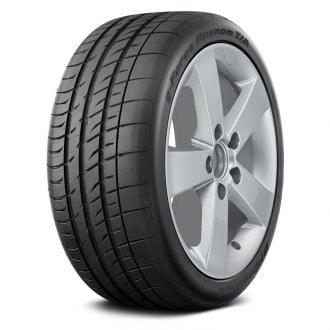 BFGOODRICH® - G-FORCE PHENOM T/A$184.99
 -
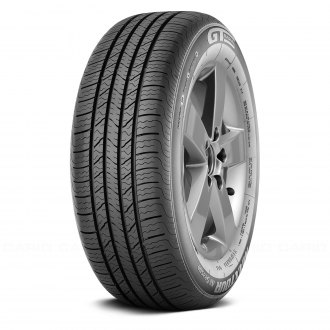
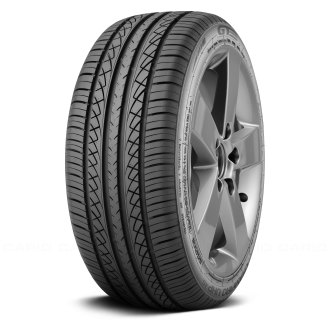 GT RADIAL® - CHAMPIRO UHP AS$121.99
 -
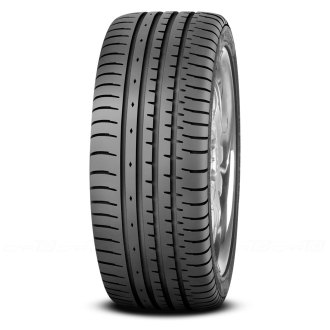 ACCELERA® - PHI$96.62
 -

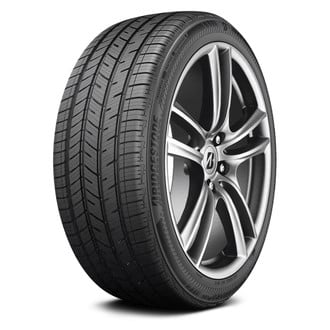
- BRIDGESTONE TIRES® - DRIVEGUARD PLUS$228.99 - $240.99
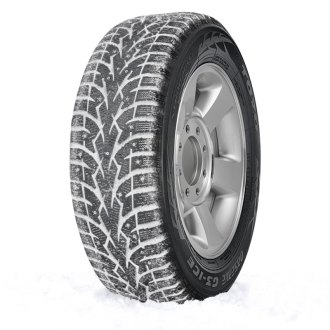
- TOYO TIRES® - OBSERVE G3 ICE$87.53 - $168.85
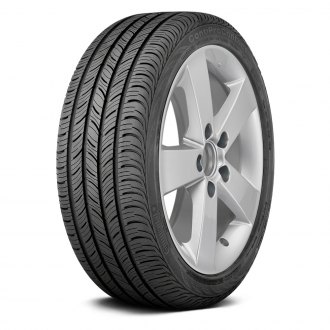
- CONTINENTAL TIRES® - CONTIPROCONTACT$145.99 - $243.68
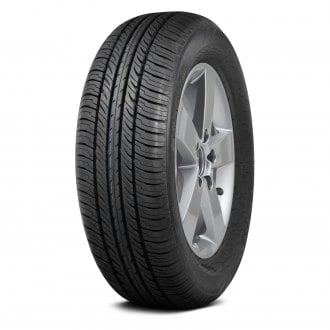
- VERSATYRE® - AS900$57.92
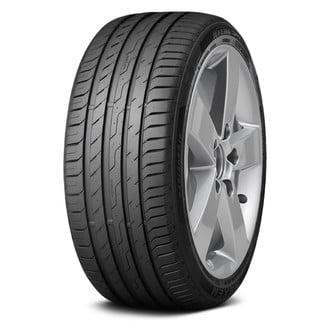
- NEXEN® - N FERA SPORT$184.00
- PIRELLI TIRES® - CINTURATO WEATHERACTIVE$180.54 - $251.17
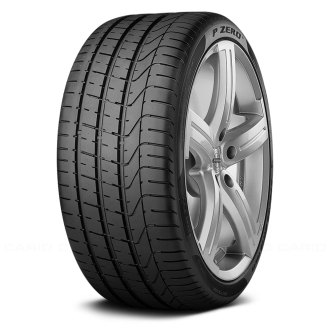
- PIRELLI TIRES® - P ZERO (RUN FLAT)$241.90 - $351.48
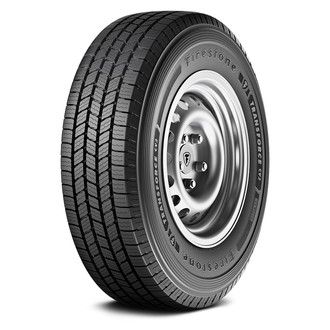
- FIRESTONE® - TRANSFORCE CV2$202.45
- NITTO® - INVO$214.00 - $292.81
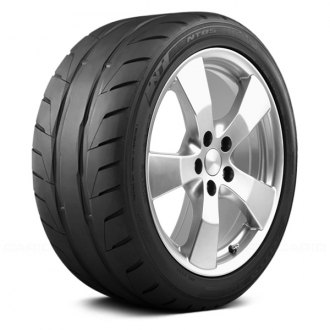
- NITTO® - NT05$232.19
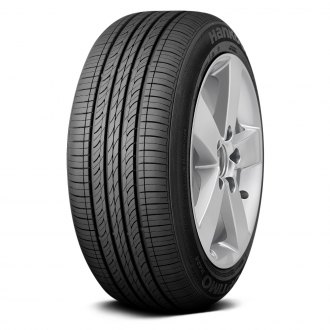
- HANKOOK® - OPTIMO H426$99.87 - $269.57
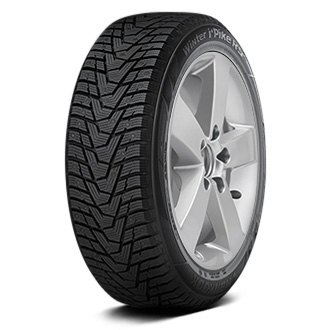
- HANKOOK® - WINTER I PIKE RS2 W429$102.38 - $136.56
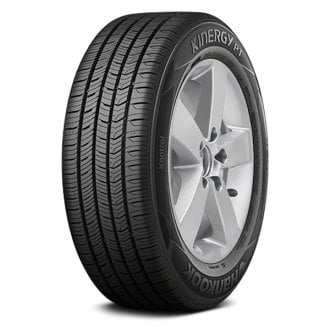
- HANKOOK® - KINERGY PT H737$114.99 - $226.99Mail-in RebateGet $80 prepaid card back - Details
- GT RADIAL® - MAXTOUR ALL SEASON$72.99 - $84.99
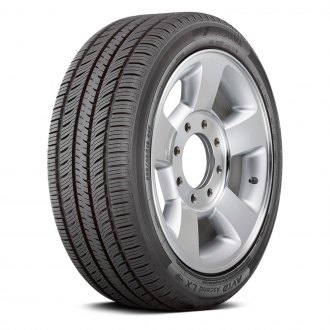
- YOKOHAMA® - AVID ASCEND LX$129.99 - $179.99
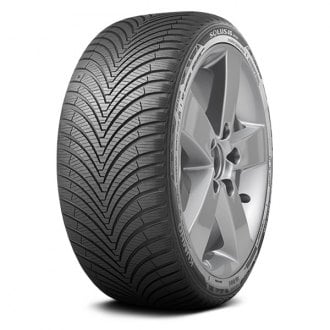
- KUMHO® - SOLUS 4S HA32$114.48 - $212.00
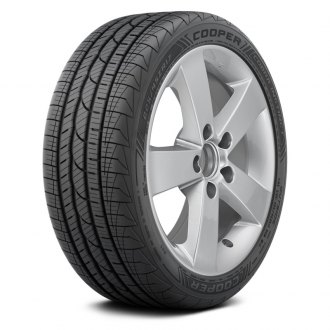
- COOPER TIRES® - COBRA INSTINCT$168.99
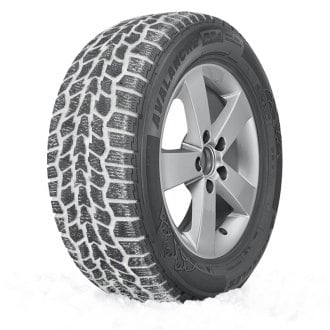
- HERCULES® - AVALANCHE RT$93.40 - $150.48
- MILESTAR® - MS932 SPORT$76.75 - $107.73
- MILESTAR® - WEATHERGUARD AS710 SPORT$97.95 - $113.95
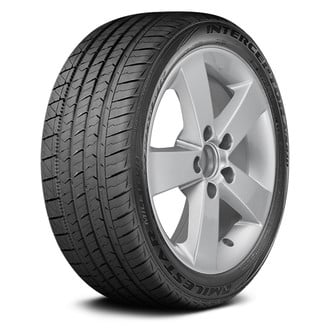
- MILESTAR® - INTERCEPTOR AS810$106.95
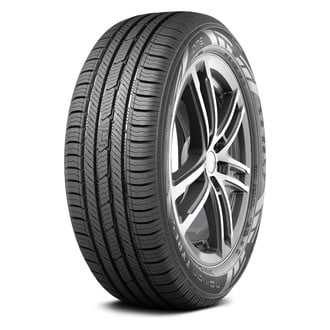
- NOKIAN® - ONE$120.09 - $188.42
- NOKIAN® - REMEDY WRG5$126.21 - $202.16
- NOKIAN® - SURPASS AS01$149.44 - $162.44
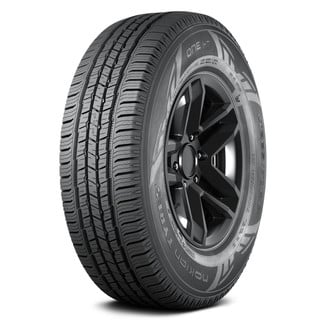
- NOKIAN® - ONE HT$174.13
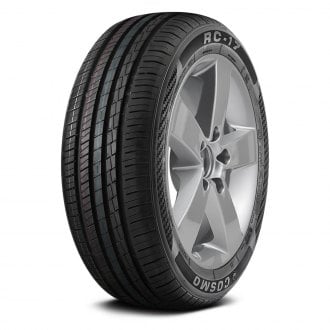
- COSMO® - RC-17$67.65 - $85.71



The 2003 Honda Accord is a great example of a reliable car. It is rather comfortable and pleasant to drive while its excellent fuel efficiency also makes it quite attractive from the cost-effectiveness standpoint. The way your car drives and how much gas it consumes partly depend on the condition of its tires. Worn out rubber can no longer maintain that high quality of ride you are used to; what’s more, deteriorated tires may lead to unsafe driving conditions. For all these reasons, it is crucial to replace your tires timely. On our digital shelves, you can find a wide range of 2003 Honda Accord tires by some of the market leaders all gathered under one roof for your convenience.
There is an extensive assortment to choose from, as we carry rubber designed for different weather conditions and driving styles. All-season tires featuring Silica-enhanced compounds can work under a variety of conditions providing sufficient traction on dry and wet pavement and even on light snow. But they are unable to handle ice and deep snow as well as temperatures below zero, which is why you’d better opt for winter tires for a cold season. They are equipped with larger tread blocks ensuring better bite in snow and, therefore, safer drive. Summer rubber, on the other hand, is a little harder and don’t suffer from accelerated wear at high temperatures.