2002 Honda Accord Tires
-
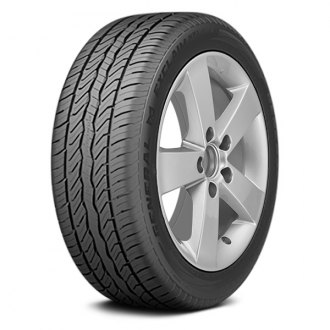 GENERAL® - EXCLAIM HPX A/S$87.24 - $101.67
 -
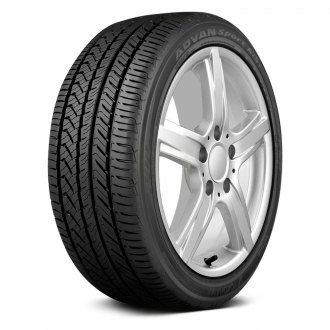 YOKOHAMA® - ADVAN SPORT A/S PLUS$147.99 - $179.99
 -
 ARROYO® - GRAND SPORT 2$55.98 - $69.29
 -
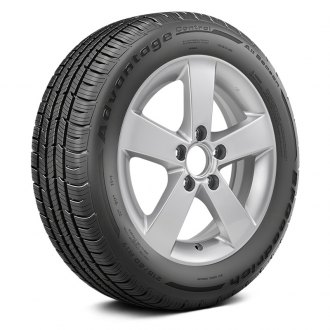
 BFGOODRICH® - ADVANTAGE CONTROL$119.99 - $180.99
 - IRONMAN® - RB-12$70.00 - $73.00
- TOYO TIRES® - OBSERVE GSI-6$76.43 - $213.99
- FIRESTONE® - FIREHAWK INDY 500$133.99 - $234.99
- HANKOOK® - VENTUS V12 EVO2 K120$93.32 - $211.31
- YOKOHAMA® - AVID S34$158.36 - $294.39
- MILESTAR® - WEATHERGUARD AS710 SPORT$88.95 - $100.95
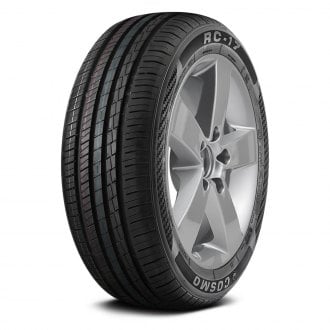
- COSMO® - RC-17$53.55 - $78.20
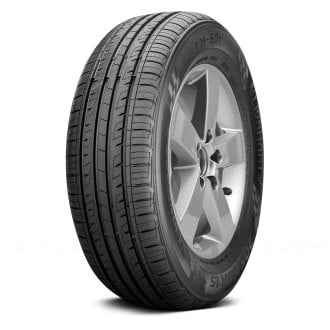
- LIONHART® - LH-501$70.04 - $73.43
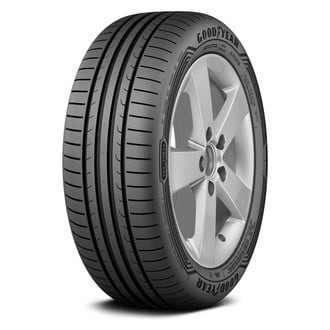
- GOODYEAR TIRES® - EAGLE SPORT 2$100.80 - $120.07
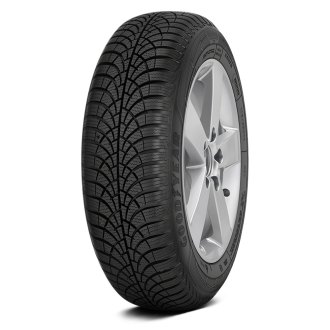
- GOODYEAR TIRES® - ULTRAGRIP 9 PLUS$130.74 - $149.25
- GOODYEAR TIRES® - ASSURANCE WEATHERREADY$159.78 - $213.33
- MICHELIN TIRES® - PILOT SPORT 4$229.13 - $299.99
- NEXEN® - WINGUARD SPORT 2$99.84 - $178.53
- NEXEN® - WINGUARD WINSPIKE 3$111.74 - $144.24
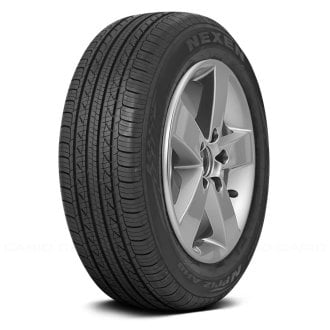
- NEXEN® - N PRIZ AH8$115.00 - $164.00
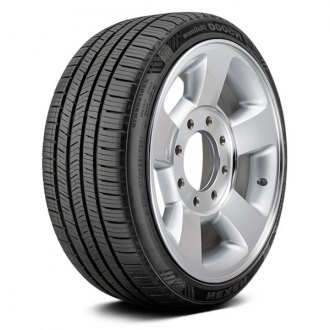
- NEXEN® - N5000 PLATINUM$145.00 - $171.00
- DELINTE® - DH2$68.36 - $86.96
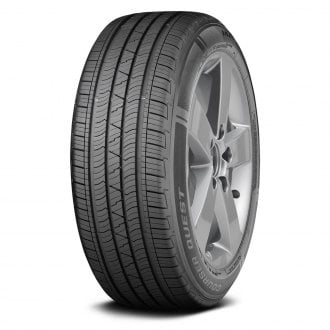
- MASTERCRAFT® - COURSER QUEST$96.14 - $155.14
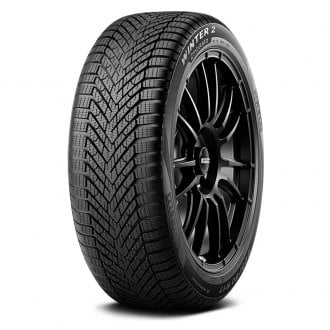
- PIRELLI TIRES® - CINTURATO WINTER 2$138.73 - $159.71
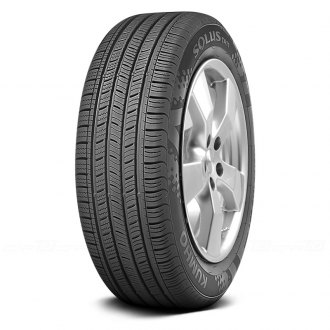
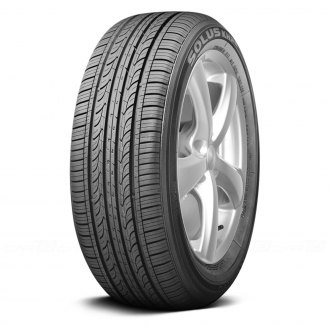
- KUMHO® - SOLUS TA11$73.71 - $113.88
- KUMHO® - ECOWING ES01 KH27$74.64 - $88.06
- KUMHO® - SOLUS KH25$138.88 - $216.84
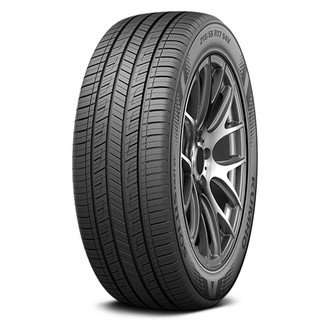
- KUMHO® - SOLUS TA31 EV$143.10 - $149.46
- KUMHO® - ECSTA SPORT PS72$153.92 - $182.00
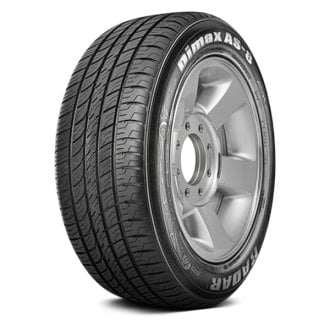
- RADAR® - DIMAX AS-8$77.90 - $120.78
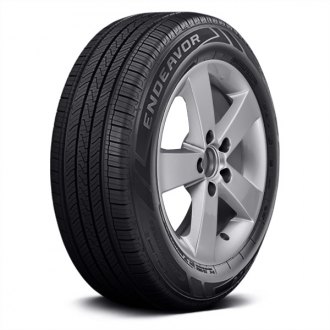
- COOPER TIRES® - ENDEAVOR$105.70 - $154.99
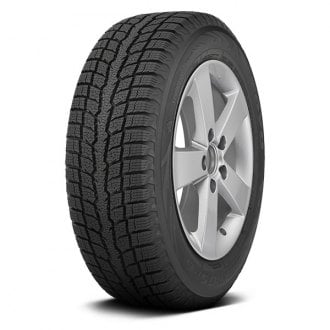

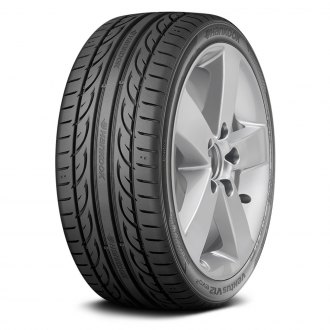
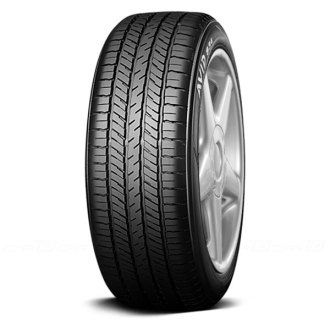
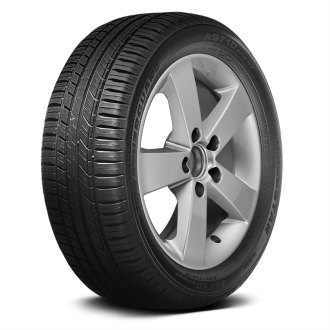
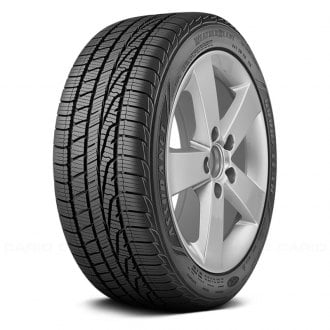
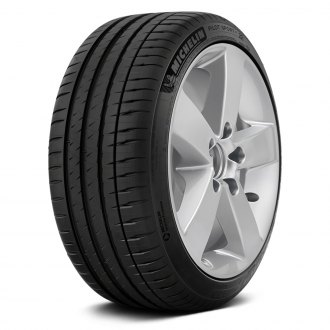
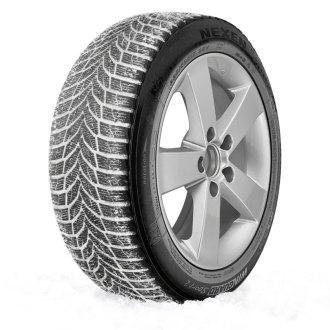
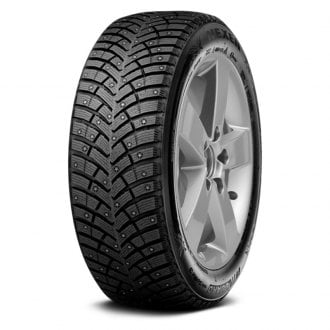



There are lots of characteristics that determine the overall quality and safety of your drive. No one would deny the importance of mechanical parts, yet the rubber of your car has a great impact on the way your auto drives. High-quality tires of the right type can add some smoothness and ensure safety, while worn out or damaged ones are very likely to lead to unsafe driving conditions. There are some signs which can help you decide if your tires need replacement, namely longer stopping distance, unstable ride, and increased gas consumption. Should you notice those, inspect your tires and replace them.
To find first-class rubber, check out our selection of 2002 Honda Accord tires produced by some of the market-leading brands. There are summer tires designed to perform perfectly at the temperatures of 45 degrees and higher. It is possible due to the special tread compounds and longitudinal grooves they feature. Their more universal all-season counterparts have Silica in the compounds and smart tread design, which allows for better traction in different weather conditions, including high and low temperatures, rain, and even light snow. However, they may fail in deep powder snow or on black ice in harsh winter, so you’d better switch to snow tires before driving in those conditions.